
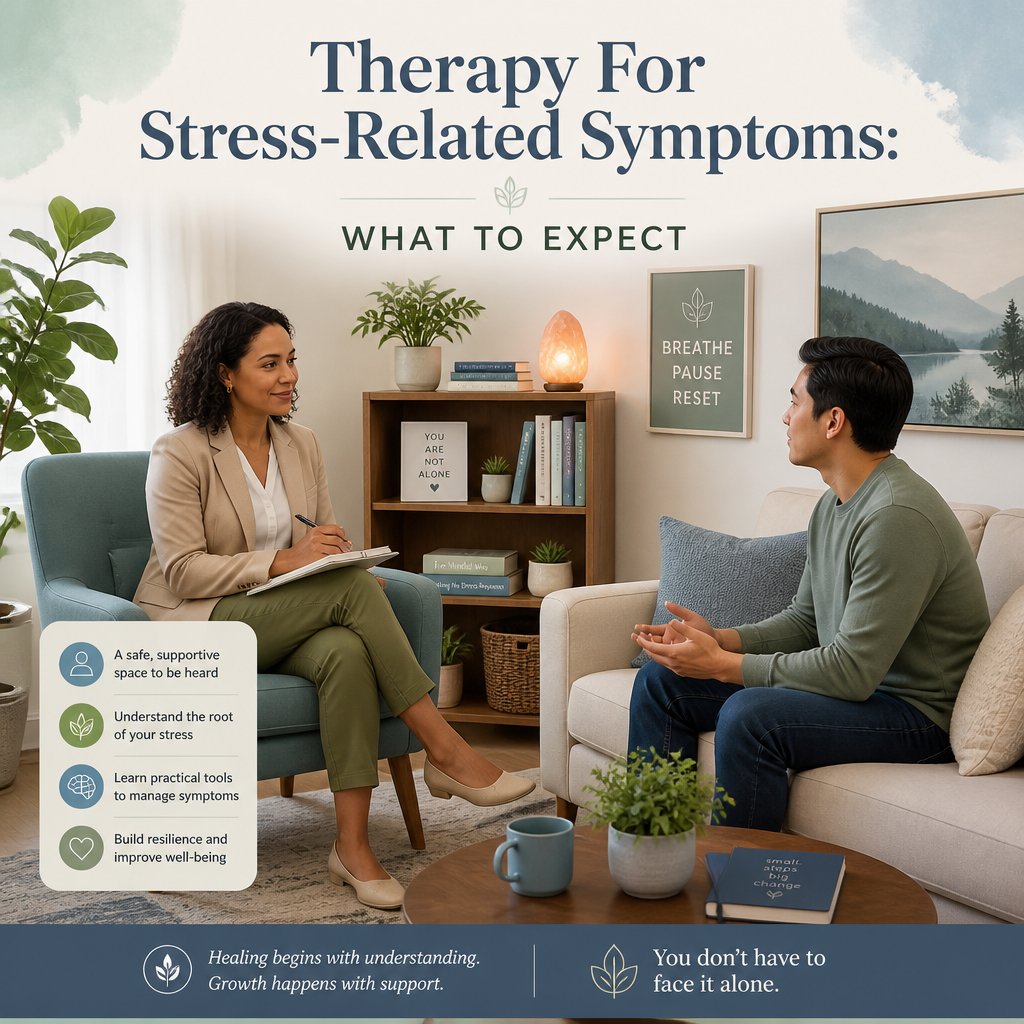
Stress is just part of being human, isn’t it? Work deadlines, relationship tension, money worries, big life changes—it all piles up. Your body and mind react, sometimes in ways you don’t even notice at first. When stress lingers or starts to stack up, it can mess with your sleep, mood, relationships, and even your physical health. Asking for help isn’t a weakness. Honestly, it’s one of the most responsible things you can do for yourself.
Therapy for stress-related symptoms helps you figure out what’s fueling your stress, learn how to manage it, and start feeling like yourself again. You don’t have to be in crisis mode to benefit from talking with a mental health professional. Plenty of people find that therapy helps them get ahead of burnout, anxiety, and that sense of emotional overload before things get out of hand.
If you’re in the Chicago area, Tides Mental Health offers in-person and virtual therapy for adults dealing with stress, anxiety, life transitions, and more. No matter where you’re at, support is out there.
Key Takeaways
- Stress shows up in both your body and emotions, and noticing those signs early can give you more options.
- Several evidence-based therapy approaches can help you manage stress and feel more grounded day to day.
- You don’t have to wait until things feel unbearable to reach out for support.
When Stress Starts Showing Up In Your Mind And Body
Stress doesn’t just stay in your head. It moves through your whole system—your body, your habits, your relationships. Catching the signs early really does make a difference.
Common Emotional And Physical Warning Signs
Your body can pick up on stress before your mind catches up. Some of the usual physical signs include:
- Headaches or tight muscles
- Tiredness that sticks around even after rest
- Stomach issues or digestive discomfort
- Sweating, a racing heart, or feeling short of breath
- Trouble sleeping—or sleeping too much
Emotionally, stress might show up as irritability, a low mood, trouble focusing, or a constant sense of dread. Anxiety often tags along, making it tough to relax even when nothing obvious is wrong. These signs aren’t just in your head—they’re worth paying attention to.
How Chronic Stress Can Affect Daily Functioning
Short bursts of stress are normal, sometimes even helpful. But when stress becomes a constant background noise, it starts to chip away at your ability to function. You might notice:
- Withdrawing from friends or family
- Losing focus at work or during conversations
- Feeling emotionally flat or easily overwhelmed
- Making choices you wouldn’t usually make, like skipping meals or dodging responsibilities
Over time, chronic stress can lead to anxiety, depression, and physical health issues. It can sneak up on you, narrowing the gap between you and feeling well.
When Symptoms May Point To More Than Everyday Pressure
Not all stress is equal. If your symptoms stick around, feel intense, or don’t seem tied to any one thing, there might be something deeper going on. Anxiety disorders, trauma, burnout, and depression can all look like stress on the surface. If these symptoms start interfering with your relationships, work, or sense of self, that’s a sign it’s time to check in with a professional. They can help you sort out what’s really happening and what might help.
How Therapy Can Help You Feel More Steady
Therapy gives you a space to slow down, unpack what you’re carrying, and pick up practical ways to handle stress. It’s not just venting—it’s about learning real skills and building a better relationship with yourself.
What Therapy For Stress Often Focuses On
When you work with a therapist on stress, sessions usually focus on a few basics. A therapist will help you:
- Pinpoint what’s actually causing your stress, even the things you might not have noticed
- See how your thoughts and reactions might be making stress worse
- Spot patterns so you can start to shift them
- Practice tools you can use right when stress hits
Just saying things out loud in a judgment-free space can be a relief in itself.
Building Coping Skills And Self-Awareness
One of the biggest gifts of therapy is self-awareness. Once you know how you react to pressure, what sets you off, and what your body does when you’re overwhelmed, you get a little more control back. Therapists help you build coping skills that actually fit your life—not just generic tips. This can mean breathing techniques, ways to rethink stressful thoughts, communication strategies for tough relationships, or setting boundaries at work. You’ll practice these tools together so they’re easier to use when you need them.
Why Support Can Help Before Things Get Worse
A lot of people wait to seek therapy because they figure their stress isn’t “bad enough.” But honestly, the sooner you get support, the easier it usually is to manage stress before it turns into something bigger. Burnout, anxiety, depression—they creep in gradually. Therapy lets you handle stress while you still have some energy in the tank, instead of waiting until you’re running on empty. Mental health professionals aren’t just for emergencies. They’re for anyone who wants to feel more steady and capable day to day.
Therapy Approaches Commonly Used For Stress
Therapy isn’t one-size-fits-all. Different approaches work for different folks and situations. Several evidence-based methods have a good track record for helping people manage stress, anxiety, and related issues.
CBT And Cognitive Behavioral Therapy
Cognitive behavioral therapy, or CBT, is one of the most researched approaches for stress and anxiety. The basic idea? Your thoughts, feelings, and actions are all connected. When you’re stressed, your thinking can get a little warped, making stress seem even bigger than it is.
CBT helps you:
- Notice unhelpful thought patterns tied to your stress
- Challenge and reframe those thoughts in a more balanced way
- Shift behaviors that keep you stuck or ramp up stress
Research backs up CBT as a solid first choice for anxiety and stress-related issues. It’s practical, skills-based, and you’ll usually see progress in a reasonable number of sessions.
Behavioral Therapy For Stress Responses
Behavioral therapy zooms in on what you do when you’re stressed. Sometimes, stress pushes you to avoid things, withdraw, or overwork, and those habits just keep the stress cycle turning. Behavioral approaches help you spot those patterns and swap them for better ones. This could mean activity scheduling, relaxation training, or building routines that help settle your nervous system. By changing what you do, you can often start to break the stress cycle—even before your thoughts and feelings catch up.
Exposure Therapy For Avoidance And Trauma Triggers
Exposure therapy comes into play when stress leads to avoidance, fear, or trauma responses. If you find yourself dodging certain people, places, or situations because they bring on intense stress or fear, exposure therapy can help you face those triggers gradually and safely. It’s a common approach for PTSD and anxiety disorders. With a trained therapist, you slowly build up your tolerance and confidence, rather than letting avoidance shrink your world. It’s not about forcing anything—it’s about taking back your life, at your own pace.
Finding The Right Fit With A Therapist
The connection you have with your therapist matters just as much as the techniques they use. If you feel comfortable, respected, and understood, therapy is a whole lot more helpful.
What To Look For In A Counseling Relationship
When you’re looking for a therapist, try to find someone who:
- Has experience with stress, anxiety, burnout, or whatever you’re dealing with
- Listens and makes you feel heard, not judged, right from the start
- Explains things in a way that actually makes sense to you
- Is responsive and reliable
Therapists come from all sorts of backgrounds—social work, psychology, counseling. What really matters is that they’re licensed, experienced with your needs, and you feel safe with them. Sometimes it takes a couple tries to find the right fit, and that’s completely normal.
Questions To Ask Before Starting
Before you commit, it’s worth asking a few practical questions:
- What’s your experience with stress-related symptoms or anxiety?
- What’s a typical session like with you?
- Do you offer virtual, in-person, or both kinds of sessions?
- How do you handle scheduling and communication?
- Do you take my insurance, or what are your fees?
It might feel awkward to ask, but it’s not. Any good therapist will be happy to answer.
Virtual And In-Person Support Options
Therapy’s more accessible than ever. If you’re in Chicago, places like Tides Mental Health offer both virtual and in-person sessions, so you can pick what works for you. Virtual therapy is great for busy schedules, transportation hassles, or if you just like being in your own space. In-person sessions can feel more grounding for some. There are also therapy apps that offer tools and support between sessions, but honestly, they work best as a supplement—not a replacement—for real conversations with a clinician.
Ways To Support Therapy Between Sessions
What you do outside of therapy sessions shapes your progress. Small, steady habits between appointments can lighten your stress load and help therapy really stick.
Daily Habits That Can Lower Stress Load
The little things add up. Some practical ways to manage stress day to day:
- Keeping a regular sleep schedule
- Eating meals at roughly the same times (and not skipping)
- Getting outside, even briefly
- Cutting back on news or social media
- Journaling to get thoughts and feelings out of your head
These aren’t dramatic changes. They’re small, steady acts of self-care that tell your nervous system you’re safe.
The Role Of Physical Activity And Rest
Moving your body is one of the best ways to manage stress. It lowers cortisol, boosts your mood, and helps release tension. You don’t need a hardcore workout—just a walk, a yoga class, or even a few minutes of stretching can help. Rest matters just as much. Stress can mess with your sleep, and poor sleep makes stress even harder to handle. Protecting your sleep isn’t a luxury—it’s a basic part of managing stress.
Using Tools And Apps Without Replacing Care
Therapy apps and digital tools can be genuinely helpful for tracking moods, practicing breathing, or staying connected to coping strategies. Apps with guided meditation, CBT exercises, or mood journaling can be worth a try. Just remember, they work best alongside therapy, not instead of it. They’re most useful when you already have some skills from working with a real person—they extend your care, not replace it.
Knowing When To Reach Out For More Support
There’s no perfect time to start therapy, and you don’t have to wait until you’re at your limit. Knowing when professional support might help can make it easier to reach out sooner.
Signs It Is Time To Seek Professional Help
Consider reaching out to a therapist if:
- Your stress has stuck around for weeks without easing up
- You’re using alcohol, substances, or other habits to cope
- Your sleep, appetite, or work life has noticeably changed
- You feel anxious, hopeless, or emotionally drained most days
- Stress is making relationships or daily responsibilities tough
These aren’t signs of failure. They’re just signs you deserve support—not more pushing through.
Accessing NHS Talking Therapies And Local Care
If you’re in the United States, you’ll usually start with your primary care doctor, your insurance provider’s directory, or a local community mental health center. In the UK, those who are eligible can use NHS talking therapies through the National Health Service—no referral needed—for structured support with anxiety or depression. In the US, a lot of therapists offer sliding scale fees, and telehealth has opened up more options than ever. If you’re worried about cost, it’s worth asking directly about what’s possible. Sometimes there’s more flexibility than you’d expect.
When Urgent Help Is Needed
If stress has gotten so intense that you’re thinking about harming yourself or someone else, or you just can’t function or care for yourself, please reach out for help right away. You can call or text 988 (the Suicide and Crisis Lifeline in the US) any time, day or night. Emergency rooms and crisis text lines are there too. Asking for help in a crisis isn’t overreacting—it’s the right call, and support is available.
Frequently Asked Questions
What are the most common physical signs that stress is affecting my body?
Stress often shows up in your body before you even realize it’s there. Headaches, muscle tension, fatigue, stomach trouble, and sleep issues are all pretty common. Sometimes you’ll notice sweating, a racing heart, or feeling short of breath, especially when things feel overwhelming. These are just your body’s way of reacting to stress, and they’re worth paying attention to.
What are five practical techniques I can use to manage stress day to day?
Try to move your body regularly, get consistent sleep, jot down a few thoughts in a journal, limit how much news you take in, and practice slow breathing. These habits make a real difference when you stick with them, not just when things get tough. If you’re not sure where to start, a therapist can help you figure out what fits your life and how to make it stick.
How can I calm down quickly when I feel overwhelmed or panicky?
One of the quickest ways to settle your nerves is slow, steady breathing. Breathe in for four counts, hold for four, and let it out for six. Grounding exercises—like naming five things you can see right now—can also help bring you back to the present. It might feel awkward at first, but with a bit of practice, these techniques get easier to use when you really need them.
How do I know if my stress has become chronic and needs professional support?
If stress has been hanging around for weeks or longer and it’s messing with your sleep, focus, relationships, or health, it might be time to talk to someone. Chronic stress isn’t just about one bad week—it’s that ongoing feeling that doesn’t let up. A mental health professional can help you sort out what’s happening and what would actually help.
What types of therapy are most effective for anxiety and stress symptoms?
Cognitive behavioral therapy (CBT) has a lot of evidence behind it for anxiety and stress. Therapists also use behavioral therapy and exposure therapy, especially if you’re dealing with avoidance or trauma. Mindfulness-based approaches can add another layer, helping you build emotional awareness and regulation. Everyone’s different, so it’s okay to ask questions and see what feels right for you.
When should I consider medication, and how does it compare with counseling?
Sometimes, medication plays a useful role—especially if stress has tipped over into something like anxiety or depression. Honestly, it often works best when paired with therapy, not as a stand-alone fix. If you’re unsure, chatting with your primary care doctor or a psychiatrist can help you sort out whether medication fits your needs right now.