
How To Stop Panic Attacks: Fast Relief And Prevention Today
Your heart races. Your chest tightens. The world feels like it’s closing in. If you’ve experienced a panic attack, you know that learning how to stop panic attacks becomes the only thought that matters in that moment. These episodes can strike without warning, leaving you feeling helpless and desperate for relief.
The good news? Effective techniques exist to interrupt panic attacks as they happen, and strategies can help prevent them from returning. From grounding exercises that anchor you to the present moment to long-term lifestyle adjustments, you have more control than panic wants you to believe.
At Tides Mental Health, our Chicago-based therapists work with clients every day who face these exact challenges. This guide covers practical, evidence-based approaches to manage panic attacks, both the immediate kind that stop an episode in its tracks and the preventive steps that build lasting resilience.
What a panic attack feels like and when to get help
A panic attack delivers a sudden flood of overwhelming fear that peaks within minutes. Your body responds as if you’re facing real danger: rapid heartbeat, sweating, trembling, and shortness of breath that makes you feel like you can’t get enough air. Many people describe chest pain so intense they worry they’re having a heart attack, while others experience dizziness, nausea, or a sense of detachment from reality.
Physical symptoms you might notice
Your hands might tingle or go numb. Hot flashes or chills can wash over you without warning. Some people feel their throat closing or experience intense stomach discomfort. The physical sensations vary from person to person, but they share one trait: they feel terrifying and real, even though they can’t harm you. You might also notice blurred vision, ringing in your ears, or an overwhelming urge to escape wherever you are.
These symptoms typically peak around 10 minutes and rarely last longer than 30 minutes, though the aftermath can leave you drained for hours.
When immediate help becomes necessary
You should seek emergency medical care if you experience chest pain for the first time or if symptoms don’t improve after 20 to 30 minutes. Call 911 if you have severe difficulty breathing, feel confused, or experience symptoms that differ from your usual panic attacks. Professional evaluation matters because conditions like heart problems, thyroid issues, or medication reactions can mimic panic symptoms.
Understanding how to stop panic attacks starts with recognizing them for what they are. Once you rule out medical emergencies and confirm you’re dealing with panic, you can apply specific techniques that interrupt the cycle. The strategies in the following sections work best when you practice them regularly, building your confidence that you can manage these episodes when they strike.
Step 1. Catch it early and label what’s happening
The moment you notice physical tension building or anxious thoughts accelerating, you gain power over what happens next. Early detection gives you time to apply calming techniques before symptoms spiral into a full panic attack. Your body sends signals before panic peaks, and learning to spot them transforms how you respond.
Recognize the first warning signs
Pay attention when your breathing quickens or your shoulders tense up. You might notice your mind racing toward catastrophic thoughts, or a sudden urge to flee whatever situation you’re in. Some people feel their stomach drop or sense a wave of dread without any clear trigger. These early signals typically appear minutes before panic intensifies, giving you a critical window to intervene.
Catching panic early doubles your chance of stopping it before the peak hits.
Say it out loud or in your mind
Once you spot the warning signs, label what’s happening: “I’m starting to feel panic” or “This is anxiety, not danger.” This simple act of naming activates the reasoning part of your brain and reduces the emotional intensity. You can say it silently or speak the words aloud if you’re in a private space. The technique interrupts the automatic fear response and reminds you that panic attacks, while uncomfortable, pass on their own. Understanding how to stop panic attacks starts with this recognition that you’re experiencing a known pattern, not an unknown threat.
Step 2. Slow your breathing and relax your body
Your breathing pattern directly influences your nervous system, and controlling it gives you immediate leverage over panic symptoms. When panic strikes, your breath becomes rapid and shallow, which feeds the cycle of fear. By deliberately slowing your breathing, you signal to your brain that you’re safe, which helps reverse the panic response within minutes.
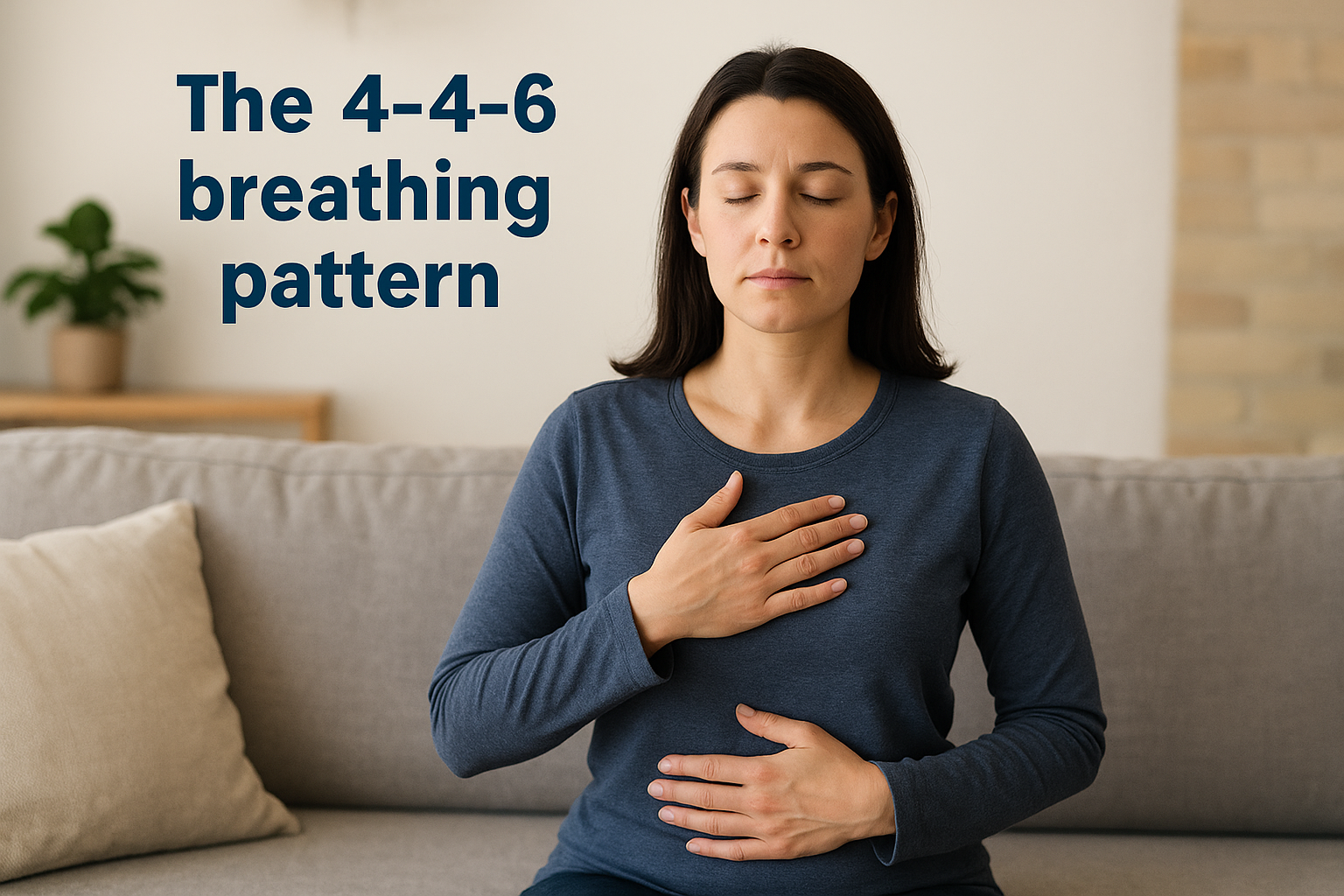
The 4-4-6 breathing pattern
This technique works because the longer exhale activates your body’s calming response. Follow these steps exactly as they appear:
The 4-4-6 breathing pattern
1. Breathe in through your nose for 4 counts
2. Hold your breath for 4 counts
3. Breathe out slowly through your mouth for 6 counts
4. Repeat this cycle for 2 to 3 minutes
Place one hand on your chest and one on your belly to ensure you’re breathing deeply from your diaphragm. Your stomach should rise more than your chest. This controlled breathing disrupts the hyperventilation that fuels panic attacks.
Controlled breathing can reduce panic symptoms by 40% within the first two minutes.
Release tension from your muscles
Once your breathing steadies, scan your body for tight muscles. Drop your shoulders away from your ears, unclench your jaw, and relax your hands. You can tense each muscle group for five seconds, then release completely, working from your forehead down to your toes. This progressive relaxation technique gives your mind something concrete to focus on while your body shifts out of panic mode, making it a powerful tool for how to stop panic attacks.
Step 3. Ground yourself and let the wave pass
Grounding techniques anchor you to the present moment when panic tries to pull you into fear spirals. These sensory exercises interrupt your brain’s alarm response by redirecting attention away from anxious thoughts and back to your immediate surroundings. You shift from imagined threats to concrete reality, which helps your nervous system recognize that you’re safe right now.
The 5-4-3-2-1 sensory exercise
This method engages your five senses to break panic’s grip. Follow each step in order:
The 5-4-3-2-1 sensory exercise
1. Identify 5 things you can see around you (a blue chair, a light switch, a coffee mug)
2. Touch 4 objects and notice their texture (smooth desk, rough fabric, cool metal)
3. Listen for 3 sounds in your environment (traffic outside, air conditioning, your own breathing)
4. Notice 2 scents you can smell (coffee, fresh air, soap)
5. Name 1 thing you can taste (mint from gum, lingering lunch flavors)
Speak these observations aloud if possible, as verbalizing strengthens the grounding effect. This technique for how to stop panic attacks works because it forces your attention outward instead of inward on scary sensations.
Grounding exercises can reduce panic intensity by redirecting your brain away from the fear response.
Accept that panic passes on its own
Panic attacks peak within 10 minutes and fade naturally, even without intervention. Fighting the sensations often makes them last longer. Instead, remind yourself that discomfort is temporary and your body will return to baseline once the adrenaline clears. This acceptance reduces the secondary fear about having panic, which often prolongs episodes.
Step 4. Prevent future attacks with a clear plan
Prevention works better than reaction when you build a structured approach to managing panic. A clear plan gives you concrete actions to take daily, reducing the frequency and intensity of future episodes. This proactive strategy addresses the underlying patterns that make panic attacks more likely, creating a foundation of stability that helps you recognize and respond to triggers before they escalate.
Track your triggers and patterns
Keep a simple log of when panic attacks occur, noting the time, location, and circumstances surrounding each episode. Record what you were doing, who you were with, and any thoughts or physical sensations you noticed beforehand. After tracking for two weeks, you’ll spot recurring patterns that reveal your specific triggers. Common ones include caffeine intake, poor sleep, skipping meals, or specific social situations.
Identifying your unique triggers gives you the power to change conditions before panic starts.
Build your daily prevention routine
Create a written action plan that includes these elements:
* Sleep schedule: Same bedtime and wake time, 7 to 8 hours nightly
* Movement practice: 20 to 30 minutes of walking, yoga, or stretching daily
* Limit stimulants: Cut caffeine after noon, avoid energy drinks
* Breathing practice: 5 minutes of 4-4-6 breathing each morning
* Support check-in: Weekly conversation with a trusted friend or therapist
Consistency matters more than perfection. Following even three of these five habits significantly reduces how often panic strikes, giving you practical tools for how to stop panic attacks before they begin.
how to stop panic attacks infographic
Next steps if panic keeps coming back
Self-management strategies work well for many people, but persistent panic attacks require professional support. If you’ve tried the techniques in this guide for three to four weeks without improvement, or if panic attacks disrupt your work, relationships, or daily activities, a trained therapist can help identify underlying causes and develop a targeted treatment plan specific to your situation.
Cognitive behavioral therapy (CBT) specifically addresses the thought patterns that trigger panic, while exposure therapy gradually reduces your fear response to panic sensations themselves. These evidence-based approaches show measurable results within eight to twelve weeks, giving you tools that last long beyond formal treatment.
At Tides Mental Health in Chicago, our therapists specialize in anxiety disorders and understand exactly how to stop panic attacks through personalized care. We offer individual therapy sessions designed around your specific triggers and goals. Schedule a complimentary 15-minute consultation today to discuss how we can help you take control of panic and build lasting confidence.