
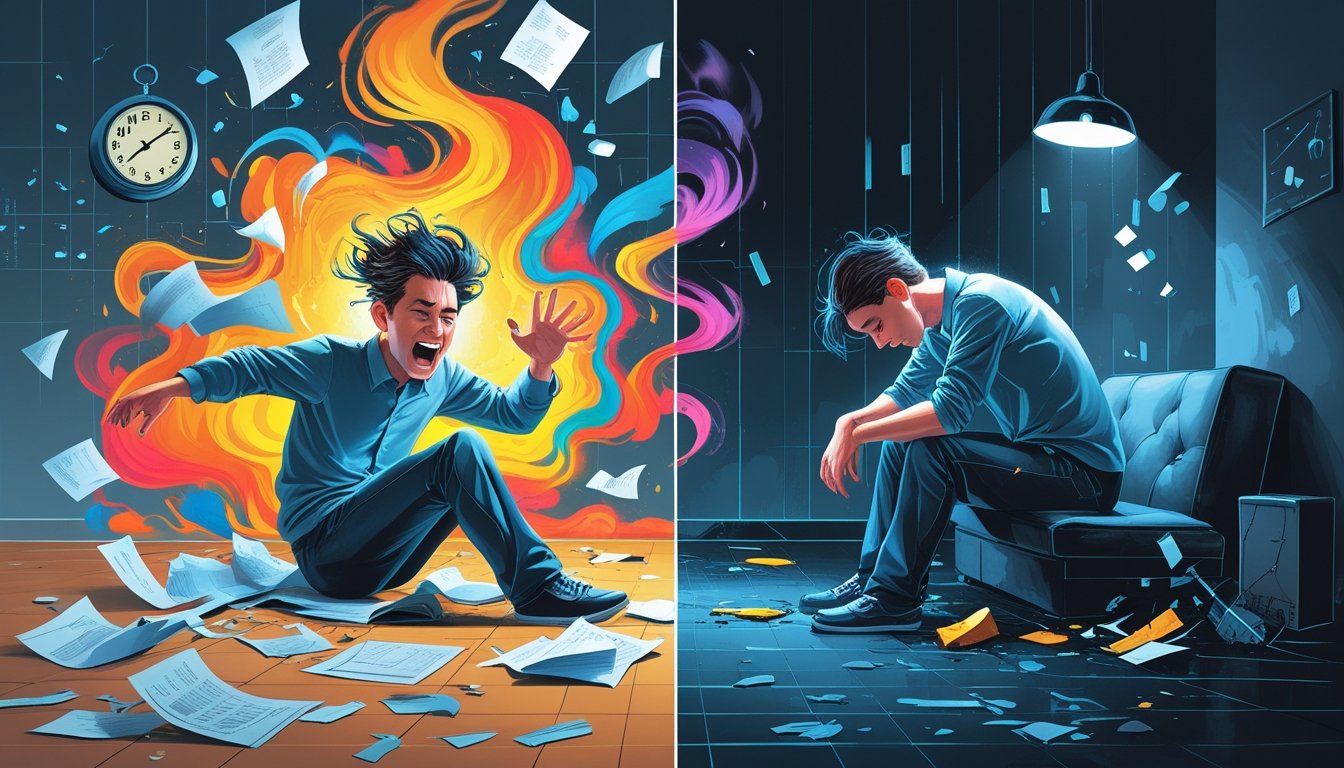
Untreated bipolar symptoms can make your moods more extreme and your life harder to manage. You may face more frequent mood highs and lows, trouble at work or in relationships, and higher risks to your physical and mental health if you don’t get steady care.
This post will show how symptoms can quickly affect your daily life, grow worse over time, and lead to problems like anxiety, substance use, and missed opportunities if left unaddressed. If you want practical steps to protect your work, relationships, and health, keep reading to learn what to watch for and how early, consistent care—including options from Tides Mental Health, offered virtually and in person in Chicago—can help.
Understanding Bipolar Disorder
Bipolar disorder affects mood, energy, and thinking. You can experience high-energy episodes, low-energy episodes, or long periods where symptoms mix.
Treatment and accurate diagnosis change how the condition impacts your work, relationships, and safety.
Types of Bipolar Disorder
Bipolar I causes full manic episodes that often need hospitalization. You may also have major depressive episodes.
Mania can include very fast speech, little need for sleep, risky choices, and grand plans that feel real.
Bipolar II involves hypomania and major depression. Hypomania is milder than mania but still raises energy, talkativeness, and risky behavior.
The depression in Bipolar II tends to cause more time spent low and can hurt daily function and relationships.
Cyclothymic disorder gives you many short hypomanic and mild depressive periods over at least two years. Symptoms are less intense but chronic.
Your mood swings may still disrupt work, school, or family life even if they do not meet full episode criteria.
Common Signs and Symptoms
During manic or hypomanic phases you may feel very energetic, talk fast, or act impulsively. You might sleep little, spend large amounts of money, or take unsafe risks.
Others often notice increased irritability or grand ideas.
During depressive phases you may feel hopeless, lose interest in activities, sleep too much or too little, and have low energy. Concentration, appetite, and daily routines can suffer.
Suicidal thoughts or self-harm risk increase during severe depressive episodes.
Mixed features mean you can have high energy and racing thoughts while feeling hopeless or suicidal. Substance use and anxiety often occur alongside bipolar symptoms.
These co-occurring problems raise the chance of job loss, relationship strain, or legal and financial trouble.
Diagnosis and Challenges
Diagnosing bipolar disorder requires a careful history of mood changes over time. Single mood episodes often lead to misdiagnosis as depression or anxiety.
You should tell clinicians about past highs, family history, and changes in sleep, work, or behavior.
Symptoms can look different across ages and between people, which complicates diagnosis. Substance use, medical conditions, and other mental health issues often mask bipolar signs.
You will benefit from ongoing monitoring, and options like virtual or in-person therapy with Tides Mental Health in the Chicago area can support assessment and treatment planning.
Short-Term Effects of Untreated Bipolar Symptoms
Untreated bipolar symptoms can quickly change how you feel, think, and act. You may face sudden mood swings, trouble finishing daily tasks, and strain in close relationships.
Manic and Depressive Episodes
During untreated mania, you might sleep very little and feel unusually energetic or irritable. You could make risky choices like overspending, unsafe sex, or driving recklessly.
Racing thoughts and rapid speech can make it hard to concentrate or finish simple projects.
During untreated depression, you may feel very low, lose interest in activities, and have trouble getting out of bed. Appetite and sleep often change — you may overeat or hardly eat, sleep too much or not at all.
Thoughts of hopelessness or suicide are a serious short-term risk and need immediate attention.
Both types of episodes can come on suddenly and last days to weeks. Symptoms often impair judgment, so you may not see the danger until the effects show in work or safety.
Disrupted Daily Functioning
Untreated symptoms can make daily tasks tough. You may miss work, fall behind on school, or stop managing bills and hygiene.
Simple routines like paying rent, going to appointments, or cooking can become overwhelming.
Your attention and memory can suffer during episodes. This causes mistakes at work, missed deadlines, and difficulty following conversations.
If you rely on driving, unsafe decisions or poor focus increase accident risk.
You can get physically exhausted from frequent mood swings. Sleep problems and poor nutrition lower your energy and weaken your immune system.
Impacts on Relationships
Untreated bipolar symptoms often strain family and friendships. During manic spells you may talk too fast, make grand plans, or act impulsively — this can frighten or frustrate loved ones.
During depression you may withdraw, cancel plans, or seem uninterested in close people.
Communication breaks down when moods shift. Partners and friends may feel hurt, confused, or burned out by unpredictable behavior.
Conflicts can escalate into arguments, separation, or loss of trust.
You can get help through therapy and medication to stabilize mood and repair relationships. Tides Mental Health offers adult therapy focused on mood disorders, anxiety, life transitions, and couples or family counseling.
Many clients use virtual sessions (about 60–70%) and in-person care near Chicago (about 30–40%), which helps you fit treatment into your life.
Long-Term Consequences of Neglected Symptoms
Left unaddressed, symptoms can reshape your thinking, coping, and safety. You may notice steady losses in memory and focus, greater odds of turning to drugs or alcohol, and higher risk of self-harm or suicide.
Cognitive Decline
You can develop persistent problems with memory, attention, and planning if bipolar symptoms go untreated. Recurrent depressive and manic episodes disrupt sleep and daily routines, which harms concentration and working memory.
Over years, this can make tasks like paying bills, following complex instructions, or keeping a job much harder.
Brain changes tied to repeated mood episodes may slow processing speed and reduce mental flexibility. You might find it harder to switch between tasks or solve problems quickly.
Early treatment and regular therapy can slow these losses. Tides Mental Health offers adult therapy that focuses on anxiety, depression, and life transitions and can help rebuild routines and cognitive strategies both virtually and in-person in Chicago.
Substance Use Risks
Many people with untreated bipolar symptoms self-medicate with alcohol or drugs to ease intense mood swings. That short-term relief raises the chance of developing a substance use disorder.
Mixing substances with mood instability makes episodes last longer and become more severe.
Substance use also reduces the effectiveness of therapy and medication. If you use alcohol or stimulants during manic or depressive phases, you increase risks to your relationships, finances, and legal standing.
Tides Mental Health provides mostly virtual counseling and can work with you on relapse prevention, screening for substance problems, and referral to local in-person services in Chicago when needed.
Suicide and Self-Harm Risk
Untreated bipolar symptoms greatly increase the risk of suicidal thoughts and self-harm. Severe depressive episodes lower your capacity to cope and increase hopelessness; manic episodes can produce impulsive actions when your judgment is poor.
Both situations raise the risk of attempts.
Warning signs include talking about wanting to die, sudden mood shifts, giving away possessions, or reckless behavior during a manic phase. If you feel unsafe, seek immediate help.
You can contact emergency services, a crisis line, or reach out to Tides Mental Health for timely virtual or in-person support focused on safety planning and crisis intervention.
Social and Occupational Impact
Untreated bipolar symptoms can reduce your job performance, damage relationships, and create extra costs you must manage. You may miss work, face conflicts, or lose income while also withdrawing from friends and family.
Workplace Challenges
You may struggle to keep regular hours and complete tasks during mood swings. Manic periods can lead to risky decisions at work, such as overcommitting to projects or making impulsive purchases.
Depressive episodes often cause low energy, missed deadlines, and reduced concentration.
Co-workers and supervisors may view you as unreliable after repeated absences or unpredictable behavior. This can harm promotions, lead to written warnings, or result in job loss.
You might need workplace accommodations, like flexible scheduling or remote work, to stay employed.
If you seek help, Tides Mental Health offers adult therapy focused on mood stabilization, anxiety, and life transitions. About 60–70% of sessions are virtual, which can help you maintain treatment without missing shifts.
In-person care is available in the Chicago area.
Social Isolation
Mood swings often change how you relate to others. During mania, you might dominate conversations or take social risks that alienate friends.
During depression, you might cancel plans, stop responding to messages, or avoid family gatherings.
Over time, repeated episodes can erode trust and make friends pull away. You may end up spending more time alone, increasing anxiety and worsening mood symptoms.
Social withdrawal also reduces the informal support you need during hard times.
Therapy can teach communication skills and coping strategies to rebuild relationships. Tides Mental Health provides targeted counseling for couples and family issues to help you repair trust and set boundaries.
Legal and Financial Issues
Impulsive choices during manic phases can create real financial damage. You might make large unplanned purchases, sign contracts without reading terms, or gamble.
These actions can lead to debt, damaged credit, or legal disputes.
Missed work and medical costs add pressure. Repeated job loss or reduced hours lower your income and may force you to use savings or sell assets.
If legal problems arise, such as disputes over contracts or driving incidents, you may need legal fees on top of other expenses.
Working with a therapist and a financial advisor can limit harm. Tides Mental Health can connect you with strategies to manage impulsivity and plan for financial safety, while their virtual sessions make regular care easier to maintain.
Physical Health Risks
Untreated bipolar symptoms raise the chance of serious physical problems and poor daily choices that make health worse. You may face long-term medical issues and lifestyle changes that strain your body and safety.
Chronic Medical Conditions
Bipolar symptoms can increase your risk for heart disease, diabetes, and obesity. Mood swings and disrupted sleep patterns raise stress hormones and change metabolism, which may lead to high blood pressure, high blood sugar, and unhealthy weight gain.
Some medications for mood episodes can also affect weight and lipids, so untreated or poorly managed illness can worsen these trends.
You also have a higher chance of developing metabolic syndrome and cardiovascular problems over time. Recurrent depressive or manic episodes can reduce medical checkups and adherence to treatments for existing conditions, making early signs of disease less likely to get treated.
If you live near Chicago, in-person care at Tides Mental Health can help coordinate medical and mental health care alongside virtual therapy.
Poor Lifestyle Choices
When bipolar symptoms go untreated, you may turn to alcohol, drugs, or binge eating to cope. Substance use can worsen mood swings, impair judgment, and increase risk of accidents or self-harm.
Periods of mania often involve risky sexual behavior, impulsive spending, or dangerous driving that can lead to injury or legal and financial problems.
Sleep loss and irregular routines are common and weaken immune function, increase fatigue, and lower motivation for exercise and healthy eating.
Therapy and counseling that focus on anxiety, depression, and life transitions — offered mostly virtually with some in-person sessions in Chicago through Tides Mental Health — can help you change daily habits and reduce these risks.
Barriers to Treatment
Many people face real obstacles that stop them from getting help. These include fear of judgment, trouble finding a provider, cost, and practical limits like time or transport.
Stigma and Misunderstanding
Stigma makes you hide symptoms or avoid care. Friends, family, or employers may call mood swings “being dramatic” or blame you for mood changes.
That misunderstanding can make you feel ashamed and less likely to tell a clinician about suicidal thoughts, risky behavior, or substance use.
You may also doubt a diagnosis because bipolar symptoms can look like depression or anxiety. Misdiagnosis delays the right medication and therapy.
If you worry about privacy, ask about confidentiality rules and whether sessions are virtual.
Tides Mental Health offers adult therapy that tackles stigma directly. Therapists can help you learn terms for your symptoms, coach you on talking with loved ones, and create a treatment plan that fits your life.
Accessibility of Mental Health Care
Logistics often block care more than willingness. You might not find clinicians who treat bipolar disorder near you, or available appointment times may clash with work or caregiving.
Cost and insurance limits can keep people from starting or staying on medication and therapy.
Telehealth solves many access problems. With about 60–70% of sessions offered virtually, you can meet a therapist from home, outside normal commute times.
For in-person care, Tides Mental Health has Chicago-based offices where you can see a clinician face to face. Sliding scale options, insurance navigation help, and coordinated care with psychiatrists make ongoing treatment easier to manage.
Progression and Worsening of Symptoms
Untreated bipolar symptoms tend to grow in frequency and intensity over time. You can expect longer mood episodes, greater day-to-day disruption, and rising risks to work, safety, and relationships.
Cycle Intensification
When you leave bipolar symptoms untreated, manic and depressive episodes often happen more often and last longer. Manic periods can become more impulsive and risky, causing problems with money, work, or legal issues.
Depressive episodes can deepen, making it hard to get out of bed, concentrate, or maintain daily tasks.
The brain can become more sensitive to mood triggers, so smaller stresses may spark a full episode. That increases the chance of emergency care or hospitalization.
You may also develop sleep problems and anxiety that feed into the mood cycles.
Treatment Resistance
Delaying care raises the chance that standard treatments will work less well. Longer untreated illness can change how you respond to medications and psychotherapy, meaning doctors may need higher doses, combinations of meds, or longer therapy courses to stabilize your mood.
Early, consistent treatment usually helps symptoms respond better and sooner.
If you decide to seek help, Tides Mental Health offers adult therapy focused on anxiety, depression, life transitions, and couples/family counseling, with most sessions available virtually and in-person options in the Chicago area.
Importance of Early Intervention
Getting help early can change the course of bipolar symptoms. You reduce the chance that mood swings will worsen and cause lasting harm to work, school, or relationships.
Early treatment often needs less intensive medication and therapy. You can learn coping skills and stabilize sleep and routines.
Early care also lowers the risk of substance use or legal and financial problems. You protect your relationships and daily life.
Untreated symptoms can strain family, friends, and partners. Early care helps you rebuild trust and manage conflict.
If you worry about mood swings, anxiety, or depression, consider therapy and counseling focused on adults. Tides Mental Health offers therapy for anxiety, depression, life transitions, and couples or family concerns.
Most sessions are virtual, with in-person options in the Chicago area.
What to expect from early care:
- Assessment to clarify symptoms and risks.
- Personalized therapy to teach coping and problem-solving skills.
- Medication review when needed, with careful follow-up.