
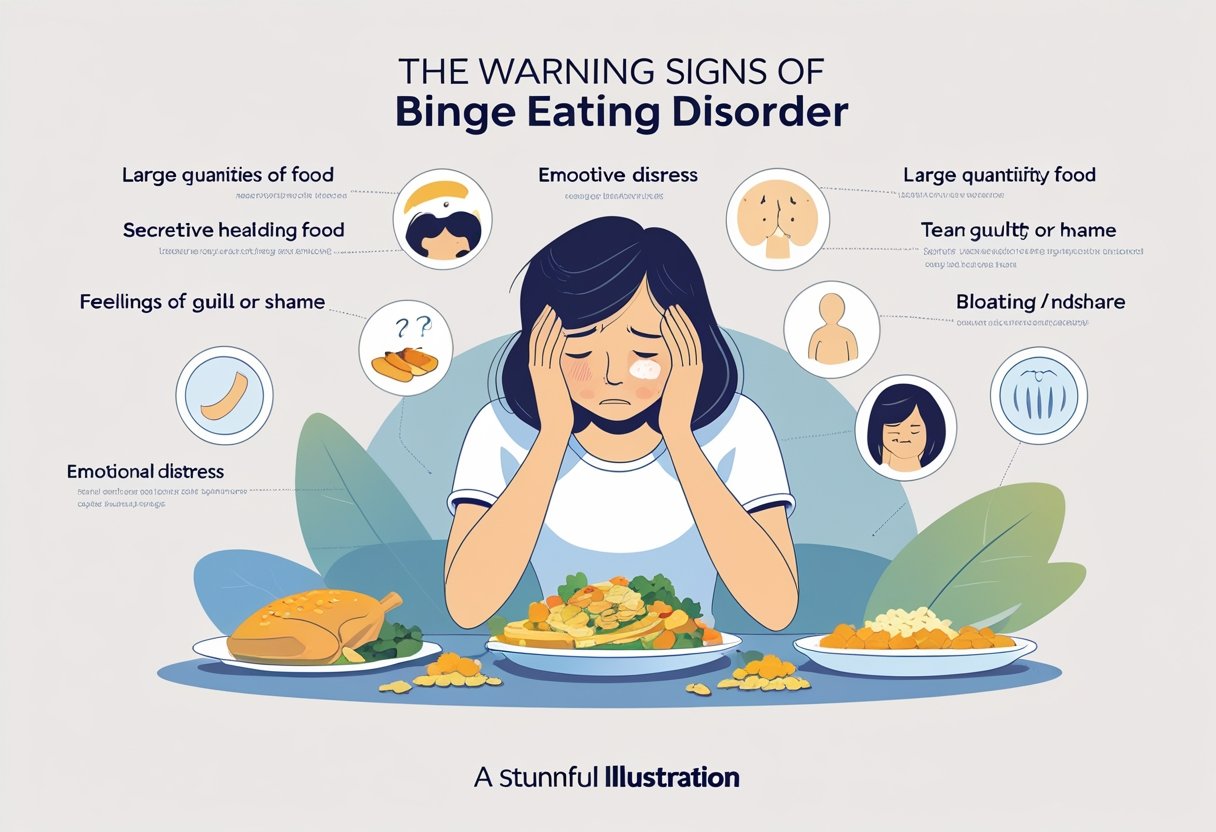
Binge eating disorder (BED) is a significant and often overlooked condition that affects many people, leading to distress and unhealthy eating patterns. Recognizing the warning signs is crucial for early intervention and recovery. You might notice a pattern of consuming unusually large quantities of food in a single sitting, often feeling unable to stop despite not being physically hungry. This cycle can lead to feelings of shame or guilt, which further complicates the issue.
As you explore the signs of binge eating disorder, understanding the behaviors and emotional triggers associated with it is vital. People experiencing BED may eat in secret or refuse to eat around others, creating isolation that exacerbates their situation. If you identify with these behaviors or know someone who does, it’s essential to seek help. Therapy and counseling can provide effective support tailored to your needs.
Addressing binge eating disorder requires a compassionate approach. You can find support through resources such as Tides Mental Health, which focuses on individual needs, including therapy for anxiety and life transitions. Whether you prefer virtual sessions or are located in the Chicago area for in-person support, options are available to help you navigate this challenge.
Most Common Warning Signs of Binge Eating Disorder
Identifying the warning signs of binge eating disorder is essential for early intervention. You may notice specific behaviors and feelings that indicate a problem with eating habits. Pay attention to these signs to understand your relationship with food better and seek help if necessary.
Recurrent Episodes of Consuming Large Amounts of Food
One clear indicator of binge eating disorder is the occurrence of recurrent episodes marked by consuming large quantities of food within a short period. During these episodes, you might eat far beyond the point of fullness.
Loss of Control Over Eating Behavior
Another sign is a noticeable loss of control during eating episodes. You may feel unable to manage your eating habits, leading to feelings of distress and guilt afterward. This loss of control enhances the cycle of compulsive eating.
Eating Rapidly or Until Uncomfortably Full
You might find that you tend to eat very quickly, often finishing meals in less time than it takes to register fullness. This behavior can result in discomfort as you eat to the point of significant fullness. Recognizing this rapid eating pattern is crucial to addressing your binge eating behavior.
Eating Alone or in Secret
You may notice a tendency to eat alone or in secret. This behavior can stem from feelings of shame or embarrassment about your eating habits. Eating in isolation often leads to more frequent binge episodes, making it harder to break the cycle.
Being mindful of these warning signs can help you assess your eating behavior. If you recognize these patterns in yourself, consider seeking support. Tides Mental Health offers options for therapy, whether you prefer virtual or in-person sessions in the Chicago area. Taking the step to get help can lead to healthier eating habits and improved emotional well-being.
Emotional and Behavioral Indicators
Recognizing emotional and behavioral indicators is crucial for understanding binge eating disorder. These signs often manifest as profound feelings related to eating, shifts in personality, and social withdrawal. Pay attention to these aspects, as they can significantly impact mental and emotional well-being.
Feelings of Shame, Guilt, or Distress About Eating
It’s common to feel shame or guilt after binge eating episodes. You might find yourself reflecting on your eating habits with distress, feeling out of control during consumption. This emotional turmoil can lead you to avoid meals in social settings.
These feelings may cause you to develop negative thoughts about your self-worth. The cycle of binging followed by guilt can create a damaging loop that exacerbates disordered eating behaviors. Acknowledging these emotions is the first step toward seeking help.
Changes in Personality and Mood
Binge eating disorder can lead to noticeable changes in your personality and mood. You may experience increased irritability, anxiety, or depression, which can stem from guilt or shame associated with eating. These mood swings can further isolate you, impacting relationships with others.
Sudden changes, such as becoming more withdrawn or less interested in activities you once enjoyed, are also potential signs. It’s important to recognize that these personality shifts are often linked to the emotional weight you carry from disordered eating. Addressing these changes through therapy can provide relief and support.
Isolation from Friends and Family
As binge eating disorder takes hold, you may find yourself distancing from friends and family. This isolation can be both physical and emotional. You might prefer to eat alone to hide your eating habits, avoiding gatherings where food is present.
This separation can intensify feelings of loneliness and decrease your support network. Relationships may strain as loved ones notice your absence and emotional withdrawal. Engaging with a therapist, such as those at Tides Mental Health, can help facilitate connections and rebuild your relationships while addressing underlying issues.
Less Obvious and Subtle Warning Signs
Binge eating disorder can manifest through various subtle signs that may go unnoticed. Recognizing these can help you identify potential issues before they escalate. Pay attention to specific behaviors that indicate an unhealthy relationship with food.
Avoiding Meals With Others
If you frequently find yourself eating alone or avoiding meals with friends and family, it can be a significant warning sign. You may feel embarrassed about your eating habits or worry about judgment from others.
This pattern can create isolation and exacerbate feelings of guilt or shame surrounding food. Dining alone may allow you to indulge in binge eating without concern for others’ reactions. Being aware of this behavior is crucial, as it can lead to further emotional and psychological distress.
Rigid Rules Around Food and Eating
Establishing strict rules about what and when you can eat is another subtle sign of a potential problem. You might limit yourself to specific foods or maintain inflexible meal schedules, reflecting a rigid mindset influenced by diet culture.
Such rigidity can make you feel trapped in a cycle of restriction and compensatory behaviors. It may seem normal to you, but these behaviors can lead to disordered eating patterns. Recognizing this rigidity is essential for developing a healthier relationship with food and breaking free from harmful cycles.
Refusing Tiny Bites of Food
Refusing small portions or “tiny bites” of food can signal deeper issues with body image or self-control. You might be concerned about how others perceive your food choices or feel compelled to eat in a specific way.
This behavior often stems from an overemphasis on calorie counting or the pressure to maintain a certain appearance, shaped by societal expectations. It’s crucial to acknowledge that food should be enjoyable and nourishing, not a source of anxiety. If this resonates with you, consider exploring these feelings further.
Differentiating Binge Eating Disorder from Other Eating Disorders
Understanding the distinctions between binge eating disorder (BED) and other eating disorders is crucial for effective diagnosis and treatment. Each disorder presents unique characteristics, symptoms, and behaviors that influence treatment approaches.
Key Differences With Bulimia Nervosa
Binge eating disorder and bulimia nervosa share the characteristic of binge eating, but they diverge significantly in behavioral outcomes. Individuals with bulimia often engage in compensatory actions, such as self-induced vomiting or misuse of laxatives, to eliminate calories after bingeing. In contrast, those with BED do not practice these compensatory behaviors.
This crucial difference means that while bulimia often stems from a desire to control weight, BED typically features intense episodes of eating without subsequent purging. Understanding this distinction is vital for diagnosis, as treatment for bulimia may involve addressing these compensatory behaviors.
Comparison With Anorexia
Anorexia nervosa and binge eating disorder also exhibit key differences. Anorexia is characterized primarily by significant weight loss, fear of gaining weight, and restrictive eating behaviors. Individuals may have an intense focus on food but typically exhibit extreme control over their eating.
In contrast, individuals with BED often experience a lack of control during binge episodes, consuming large quantities of food in a short time. They do not usually restrict their intake to the same extent as those with anorexia. This fundamental difference in eating behavior underlines the importance of tailored treatment strategies for each disorder.
Distinguishing From Other Disordered Eating Patterns
Binge eating disorder is distinct from other disordered eating patterns, such as night eating syndrome or emotional eating. Night eating syndrome involves consuming large amounts of food, primarily at night, often triggered by sleeplessness or stress. Emotional eating refers to eating in response to feelings rather than hunger.
While emotional or situational factors may influence binge episodes in BED, the disordered pattern remains constant, with a consistent feeling of loss of control. Understanding these subtleties is essential for effective intervention and guiding individuals toward appropriate treatment options.
Seeking Help and Early Intervention
Recognizing the signs of binge eating disorder is crucial, but knowing when and how to seek help is equally important. Early intervention can significantly contribute to recovery, and professional treatment offers the support necessary to navigate this complex condition.
When and How to Use Eating Disorder Screeners
Eating disorder screeners are valuable tools that help identify individuals at risk of developing or currently experiencing eating disorders. These assessments can be simple questionnaires that evaluate behaviors and emotions related to food intake and body image.
You can use these screeners online for immediate feedback. Resources like Equip offer useful self-assessment tools that guide you in understanding whether you may be experiencing symptoms of binge eating disorder.
If the results indicate a possible issue, consider discussing them with a healthcare professional or counselor. Early identification is key, and professional insights can lead to tailored treatment options.
Importance of Professional Eating Disorder Treatment
Professional treatment is vital for managing binge eating disorder effectively. It often includes therapy, nutritional counseling, and support groups. Seeking help ensures that you receive a comprehensive approach to recovery.
Therapies typically focus on addressing underlying emotional issues such as anxiety and depression. By tackling these root causes, you can build healthier relationships with food. In-person therapy options are available through providers like Tides Mental Health in the Chicago area, and a significant portion of sessions can be conducted virtually for added convenience.
Engaging with professionals provides the necessary framework for recovery and long-term well-being. Remember, timely intervention can make a significant difference in your journey toward health.
Frequently Asked Questions
Binge eating disorder (BED) involves a range of physical, psychological, and behavioral symptoms. Understanding these indicators can help you or someone you care about identify the disorder and seek appropriate help.
What physical symptoms may indicate someone has a binge eating disorder?
Physical signs of BED can include significant weight fluctuations, gastrointestinal issues, and physical discomfort after eating. You might also notice patterns of eating large quantities of food in a short time without compensatory behaviors.
How does repeated binge eating impact a person’s overall health?
Repeated binge eating can lead to obesity, diabetes, high blood pressure, and heart disease. Additionally, it can contribute to gastrointestinal problems and metabolic disorders. The long-term health consequences make it essential to address this eating disorder promptly.
What psychological indicators suggest the presence of a binge eating disorder?
Psychological indicators of BED include feelings of shame, guilt, or distress about eating habits. Individuals may use food as a way to cope with negative emotions or stress and often experience anxiety or depression related to their eating patterns.
In what ways can binge eating disorder affect daily life and relationships?
Binge eating disorder can disrupt your daily routine and impact social interactions. You might feel isolated or engage in secretive eating behaviors, which can strain relationships with family and friends. This disorder often leads to feelings of embarrassment, making it difficult to communicate your struggles.
What behaviors are typical of someone struggling with binge eating disorder?
Typical behaviors associated with BED include eating large amounts of food quickly, consuming food even when not hungry, and eating alone to hide these impulses. You may also find yourself feeling a lack of control during eating episodes.
How is binge eating disorder diagnosed?
Diagnosis of binge eating disorder typically involves a comprehensive assessment by a mental health professional. This may include discussing your eating patterns, your history of weight changes, and any psychological symptoms you experience. A professional can provide an accurate diagnosis and suggest a personalized treatment plan.