
If unwanted thoughts and repeated rituals take time from your life, effective treatments can help you regain control.
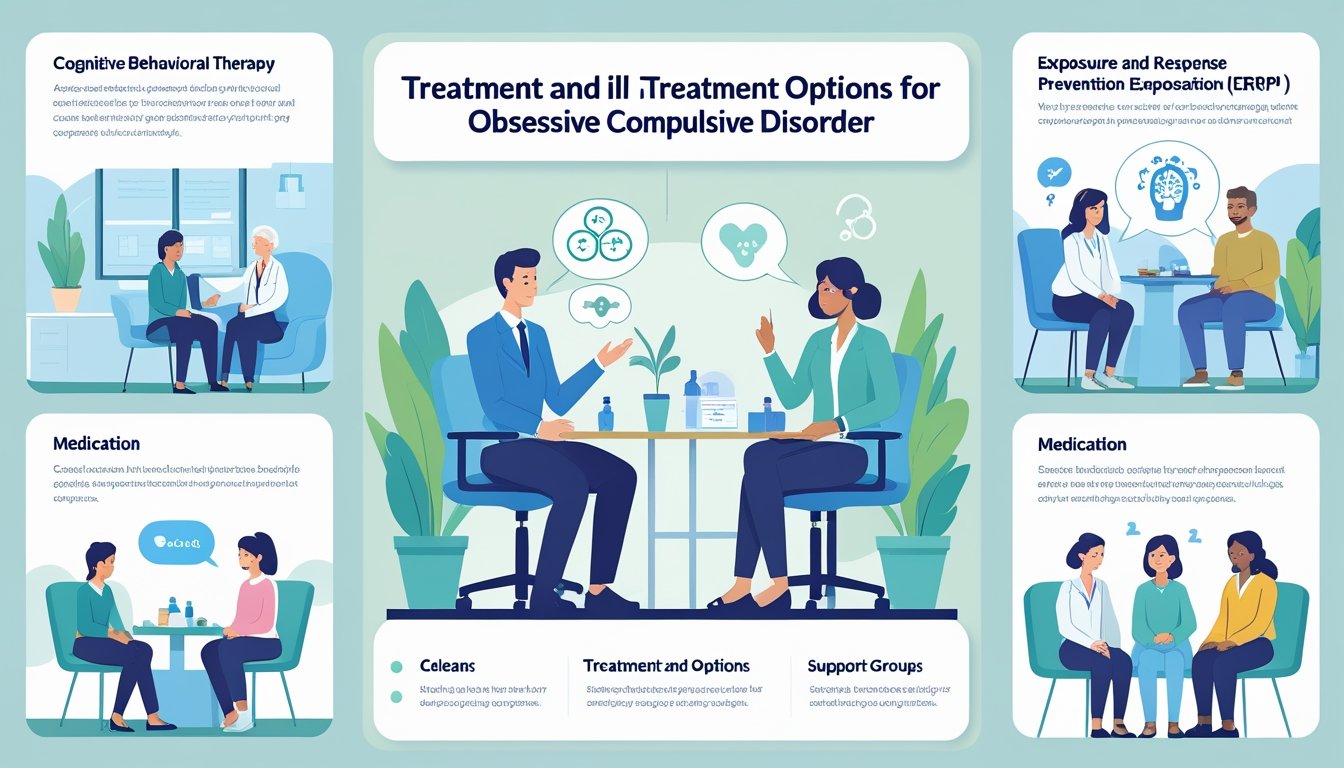
Cognitive-behavioral therapy with exposure and response prevention (ERP), medication, and a tailored combination of both offer the strongest evidence for reducing OCD symptoms and improving daily functioning.
You will learn practical steps that therapists use to break the cycle of obsessions and compulsions, when medication can add benefit, and what to expect if symptoms are severe or persistent.
For adults facing anxiety, depression, or life changes, Tides Mental Health offers virtual and in-person care in the Chicago area to help you find a treatment plan that fits your life.
Understanding Obsessive Compulsive Disorder
You can expect clear signs, likely causes, and the way clinicians confirm the diagnosis.
This helps you know what to watch for and how treatment choices match your needs.
Core Symptoms
OCD causes two main problems: obsessions and compulsions.
Obsessions are repeated, unwanted thoughts, images, or urges that cause distress. You might have fears about contamination, harming others, or that things must feel “just right.”
Compulsions are behaviors you do to reduce the fear from obsessions.
These include checking, washing, counting, arranging, or mentally repeating words. The actions may bring short relief but then reinforce the cycle.
Symptoms often take at least an hour a day and interfere with work, school, or relationships.
Some people hide symptoms out of shame, which can delay help.
Causes and Risk Factors
OCD appears from a mix of brain, genetic, and life factors.
Differences in brain circuits that handle fear and habit formation play a role. Family history raises your risk; having a close relative with OCD or an anxiety disorder increases the chance you will develop it.
Stressful life events, like illness, major loss, or big life changes, can trigger symptoms or make them worse.
Other mental health issues—such as depression or generalized anxiety—often happen with OCD. Age matters: symptoms often begin in the teens or early adulthood, but can start later.
How OCD Is Diagnosed
Diagnosis starts with a detailed clinical interview.
A clinician asks about your thoughts, behaviors, how long symptoms last, and how they affect daily life. They check whether symptoms come from another condition or medication.
Clinicians often use standardized questionnaires to track severity and change over time.
Physical exams or lab tests may rule out medical causes if needed. Accurate diagnosis often means considering co‑occurring conditions like depression, which change treatment choices.
At Tides Mental Health, you can get a thorough assessment virtually or in person in the Chicago area.
The assessment guides a personalized plan that combines therapy, medication, or both based on your specific symptoms and goals.
Cognitive Behavioral Therapy Approaches
CBT for OCD targets the thoughts and actions that keep your symptoms going.
You will learn practical skills to face feared situations, change unhelpful beliefs, and reduce rituals that feed anxiety.
Exposure and Response Prevention (ERP)
ERP asks you to face the situations that trigger your obsessions while avoiding the compulsion you usually do.
A therapist helps you build a list of triggers ranked from mild to severe. You then practice exposures starting with easier items and move up the list as your anxiety drops.
Sessions teach coping skills like breathing and grounding, but the main tool is repeated, planned exposure.
This weakens the link between the trigger and the urge to perform a ritual. ERP works in virtual and in-person formats; you can do exposures at home between sessions.
Tides Mental Health offers ERP-focused plans for adults, with most care delivered virtually and in-person options in the Chicago area.
Cognitive Restructuring
Cognitive restructuring helps you spot thoughts that worsen your OCD and test whether they are true.
You learn to record automatic thoughts, examine evidence for and against them, and create more balanced beliefs. This reduces the certainty that fuels compulsions.
Therapists teach specific techniques: thought records, probability estimates, and behavioral experiments.
You practice replacing “I must be certain” with evidence-based statements. Doing this work along with ERP strengthens results because you both change thinking patterns and stop rituals.
Imaginal Exposure
Imaginal exposure targets obsessions that are hard to recreate in real life, like intrusive thoughts about harm or taboo topics.
You repeatedly imagine the feared scenario in detail while resisting the urge to neutralize it. The goal is to reduce the distress linked to the thought itself.
You learn to write and read scripts that match your fear, then practice them in session and at home.
Sessions include guidance on how long to imagine, when to pause, and how to cope with intense anxiety. Combining imaginal exposure with response prevention and cognitive work helps you reduce both the fear and the rituals that follow.
Medication Treatments for OCD
Medications can lower obsessive thoughts and reduce urges to perform compulsions.
They often help you engage better in therapy and improve daily functioning.
Selective Serotonin Reuptake Inhibitors (SSRIs)
SSRIs are the first-line medicines for OCD.
Common examples include fluoxetine, sertraline, fluvoxamine, paroxetine, and escitalopram. These drugs raise serotonin levels in the brain and usually take 8–12 weeks to show meaningful change for OCD symptoms.
You may need higher doses than for depression and a longer trial before deciding if a drug works.
Common side effects include nausea, sleep changes, and mild sexual side effects. Don’t stop abruptly; taper under a prescriber’s guidance.
If symptoms improve, clinicians often keep the dose for 6–12 months or longer to lower relapse risk.
Your prescriber will balance benefits, side effects, and how well you can do therapy when choosing an SSRI.
Tricyclic Antidepressants
Clomipramine is the main tricyclic antidepressant used for OCD.
It affects serotonin and other neurotransmitters and can work when SSRIs don’t fully help. Clomipramine often reduces intrusive thoughts and compulsive behaviors.
This medication can cause more side effects than SSRIs, such as dry mouth, constipation, dizziness, and heart-rate changes.
Your doctor will monitor blood pressure and heart function and start at a low dose. Regular check-ins are important to watch for side effects and to adjust the dose.
Clomipramine may be a better option if other treatments have failed, but it needs closer medical supervision.
Discuss medical history, current medicines, and pregnancy plans before starting.
Augmentation Strategies
When single medications don’t fully control OCD, clinicians add another drug or switch treatments.
A common augmentation is adding a low-dose antipsychotic (for example, risperidone or aripiprazole) to an SSRI. This can reduce symptoms for some people who had partial response.
Other options include combining clomipramine with an SSRI or adjusting to a different SSRI.
Augmentation raises the chance of side effects, so your provider will start low and monitor closely. You should report new symptoms right away, like movement changes, weight gain, or sedation.
Medication works best with therapy such as exposure and response prevention.
If you want personalized care, consider Tides Mental Health. We offer mostly virtual sessions (60–70%) and in-person care in the Chicago area (30–40%), focused on adult anxiety, depression, life transitions, and couples/family counseling, with plans to expand to child and adolescent therapy.
Combination Therapy for Enhanced Results
Combining medicine with structured therapy often speeds symptom relief and cuts the chance of relapse.
You will learn how medication and CBT work together and see real ways a combined plan can fit into your life.
Integrating Medication and CBT
Medication (usually an SSRI) can lower anxiety enough for you to fully engage in CBT, especially Exposure and Response Prevention (ERP).
Your prescriber may start an SSRI at a typical therapeutic dose and reassess after 8–12 weeks. If you respond but still have symptoms, your clinician might increase the dose or add CBT rather than switching drugs.
CBT sessions teach you to face obsessions and resist compulsions.
With meds easing acute anxiety, ERP becomes more tolerable and practice homework becomes more effective.
Tides Mental Health offers combined plans that use virtual sessions for weekly ERP work and in-person visits in Chicago for medication checks. You and your team should set clear goals, track symptom scores, and review progress every 6–12 weeks.
Case Examples of Combined Approach
Case A: A 34-year-old with contamination fears started an SSRI and weekly ERP via video.
After 10 weeks, anxiety dropped enough that exposures moved from imaginal exercises to real-life tasks. Homework compliance rose from 40% to 85%, and functional gains followed.
Case B: A 46-year-old with intrusive thoughts had partial SSRI response.
Adding twice-weekly CBT focused on acceptance strategies and response prevention led to steady improvement. Medication adjustments occurred during in-person follow-ups in Chicago.
These examples show how medication plus targeted CBT can improve engagement, speed recovery, and help you return to work and relationships more quickly.
Alternative and Adjunctive Treatments
These approaches add tools when standard CBT or medication alone don’t give enough relief.
They can reduce anxiety, improve coping, and make exposure work better when used with ongoing therapy and medication.
Mindfulness-Based Interventions
Mindfulness teaches you to notice intrusive thoughts without acting on them.
You learn simple breath, body-scan, and grounding practices to reduce the urge to perform rituals. Practice sessions often last 10–20 minutes and build tolerance for discomfort over weeks.
In therapy, mindfulness pairs well with exposure work.
When a thought comes, you label it (“thinking”) and let it pass instead of neutralizing it. This reduces the power of the thought and lowers distress more quickly during exposures.
You can use recordings, apps, or guided sessions with a therapist.
Tides Mental Health offers virtual mindfulness coaching and in-person options in Chicago to help you add these skills to your treatment plan.
Acceptance and Commitment Therapy
Acceptance and Commitment Therapy (ACT) focuses on values and committed action rather than trying to remove unwanted thoughts.
You work on accepting intrusive thoughts while choosing actions that match your values, even when anxiety is present.
Key ACT techniques include cognitive defusion (seeing thoughts as words), values clarification, and small behavior steps toward what matters to you.
These skills help reduce time spent on compulsions and increase life activity, which often leads to symptom improvement.
ACT fits well as an adjunct to CBT or medication.
You can get ACT through virtual sessions most weeks or in-person visits at Tides Mental Health in the Chicago area.
Family Involvement in Treatment
Family support changes outcomes for adults when family patterns reinforce compulsions or avoidance.
Family involvement means education about OCD, coaching on how to respond to rituals, and setting consistent limits that support exposure work.
Therapists teach family members how to reduce reassurance, avoid enabling rituals, and provide practical encouragement.
Sessions may include role-plays and homework so family members practice new responses between appointments.
If you want family-focused care, Tides Mental Health provides family sessions virtually and in person in Chicago.
These sessions aim to create a safer, more predictable environment that supports your recovery.
Treatment Options for Severe or Resistant Cases
For severe or treatment-resistant OCD, some medical and programmatic options can reduce symptoms when standard medication and therapy alone do not.
These choices range from targeted brain procedures to focused, high-intensity therapy programs. Each has specific benefits, risks, and access requirements you should weigh with your clinician.
Deep Brain Stimulation
Deep brain stimulation (DBS) is a surgical option that places small electrodes in targeted brain areas linked to OCD. Your surgeon implants a pulse generator under the chest skin that sends electrical signals to reduce obsessive and compulsive activity.
DBS is typically considered only after you have tried several adequate trials of serotonin reuptake inhibitors (SRIs) and specialized cognitive behavioral therapy, including exposure and response prevention (ERP). DBS can lower symptom severity for some people, but results vary and improvements may take months.
Risks include infection, bleeding, device complications, and mood changes. You will need ongoing follow-up for device programming and possible medication adjustments.
If you live near Chicago or prefer combined in-person and virtual care, Tides Mental Health can help coordinate evaluations and post-surgical therapy alongside medical teams.
Transcranial Magnetic Stimulation
Repetitive transcranial magnetic stimulation (rTMS) uses magnetic pulses over the scalp to change activity in brain regions involved in OCD. It is noninvasive and done in daily sessions over several weeks.
You remain awake and sit in a treatment chair while a clinician targets the areas most likely to reduce your symptoms. rTMS can be a good option if you have not responded fully to medications or cannot tolerate them.
Side effects are usually mild and include scalp discomfort or headache; rare risks include seizures. Insurance coverage and session schedules vary, so check details with providers.
Tides Mental Health offers consultation to determine if rTMS fits your care plan and can arrange hybrid scheduling with mostly virtual follow-up and in-person sessions in Chicago.
Intensive Outpatient Programs
Intensive outpatient programs (IOPs) deliver concentrated therapy while you live at home. For OCD, these programs focus on daily or near-daily ERP sessions, skills training, and medication management over several weeks.
You get frequent clinician contact—often multiple hours per day—so progress can be faster than standard weekly therapy. IOPs suit people who need structured, high-dose treatment but do not need inpatient hospitalization.
Expect group and individual ERP, regular psychiatric review, and relapse-prevention planning. Most programs combine virtual and in-person care.
Tides Mental Health provides both options with the majority of sessions virtual and in-person services available in the Chicago area to fit your schedule and treatment needs.
Choosing the Right OCD Treatment Plan
You should focus on treatments that match your symptoms, history, and daily life. Practical choices include therapy type, medication needs, session format, and how treatment fits into your work or family routine.
Individualized Assessment
Start with a full assessment that looks at your symptoms, severity, and how OCD affects your daily life. This should include a clinical interview, symptom measures (like the Yale-Brown Obsessive Compulsive Scale), and questions about past treatments and medical history.
Tell your clinician about any current medications, other mental health conditions (like anxiety or depression), substance use, and major life stressors. Also discuss your goals for treatment: symptom reduction, returning to work, or improving relationships.
Ask about treatment length, expected homework (ERP practice), and outcome tracking. At Tides Mental Health, you can choose virtual sessions (most patients use them) or in-person visits in Chicago, depending on what fits your schedule and comfort level.
Factors Influencing Treatment Selection
Match treatment to symptom type and daily needs. If compulsions or avoidance dominate, exposure and response prevention (ERP) is the first-line therapy.
If intrusive thoughts cause high distress, combining ERP with an SSRI medication may help. Chronic or severe cases might need higher-intensity therapy or psychiatric medication management.
Consider practical factors: session format (virtual vs. in-person), frequency, cost, and whether you need family or couples involvement. If you have depression, substance use, or medical issues, coordinate care with your prescriber.
Ask about therapist experience with OCD, plans to track progress, and how relapse prevention will be handled. Tides Mental Health offers mostly virtual care with in-person options in Chicago to fit your life and treatment needs.
Managing OCD Over the Long Term
You can keep symptoms low and life stable by using clear plans, steady support, and timely changes in treatment. Focus on preventing relapses, keeping skills sharp, and using ongoing resources that fit your life.
Relapse Prevention Strategies
Create a written relapse plan that lists early warning signs, coping steps, and who to contact. Early signs might include rising anxiety, returning rituals, or avoidance.
Share the plan with your therapist and a trusted family member. Use exposure and response prevention (ERP) homework regularly.
Schedule brief, daily practice sessions and longer weekly sessions to stay strong. Track progress in a simple log: date, trigger, exposure task, urge level, and outcome.
Keep medications as prescribed and review them every 3–6 months with your prescriber. If symptoms increase, contact your clinician quickly rather than waiting.
Adjustments may include dose changes, switching meds, or adding short-term therapy boosts. Build lifestyle habits that reduce relapse risk.
Sleep 7–9 hours, limit alcohol, exercise 3 times a week, and use stress-reduction tools like guided breathing. These habits lower overall anxiety and make ERP work better.
Ongoing Support Resources
You should plan for long-term support from therapy, peer groups, and practical tools. Tides Mental Health offers adult therapy focused on anxiety, depression, life transitions, and couples or family counseling.
You can access about 60–70% of sessions virtually and 30–40% in person at our Chicago area offices. Join a weekly OCD support group or guided ERP group to practice skills in a social setting.
Groups reduce isolation and give you real feedback on exposures. Look for groups that use structured exercises and trained facilitators.
Use apps and worksheets that track exposures, urges, and mood. Keep a shared contact list: your therapist, psychiatrist, emergency contact, and a crisis hotline.
Review this list every 3 months. If you have a child or teen with OCD in the future, ask about our planned expansion into child and adolescent therapy to get age-appropriate care.
Emerging Research and Future Directions
New treatments aim to help people who do not respond to standard therapy or medication. Research now targets brain circuits, personalized medicine, and digital tools that let you continue care between sessions.
Novel Therapies in Development
Researchers are testing neuromodulation methods like transcranial magnetic stimulation (TMS) and deep brain stimulation (DBS) to reduce intrusive thoughts and repetitive behaviors. TMS is noninvasive and can be done outpatient; studies show benefit for some people who didn’t get better with medicines.
DBS is surgical and reserved for severe, treatment-resistant cases; it requires specialized centers and careful follow-up. Drug research looks beyond serotonin drugs to agents that affect glutamate and other brain chemicals.
Some trials test ketamine-like drugs and glutamate modulators for faster symptom relief. Genetic and biomarker studies try to match treatments to your biology so care becomes more precise over time.
Tides Mental Health offers access to emerging care pathways and can help you explore whether neuromodulation or experimental medication trials fit your situation. In-person consultations are available in Chicago, and most ongoing care can be scheduled virtually.
Digital Interventions for OCD
Digital tools now extend therapy outside the clinic.
Smartphone apps and web programs deliver guided exposure and response prevention (ERP) exercises, track symptoms, and prompt homework between sessions.
These tools increase access and let you practice ERP in real-life settings with real-time feedback.
Teletherapy makes expert CBT and ERP widely available.
You can join virtual sessions for regular therapy while keeping some in-person visits in Chicago.
Hybrid care—about 60–70% virtual and 30–40% in person—helps maintain continuity and lets clinicians monitor progress remotely.
Some platforms add clinician dashboards and secure messaging so your therapist can adjust treatment quickly.
Tides Mental Health integrates digital tools with live therapy to help you follow ERP, monitor mood, and get support between appointments.