
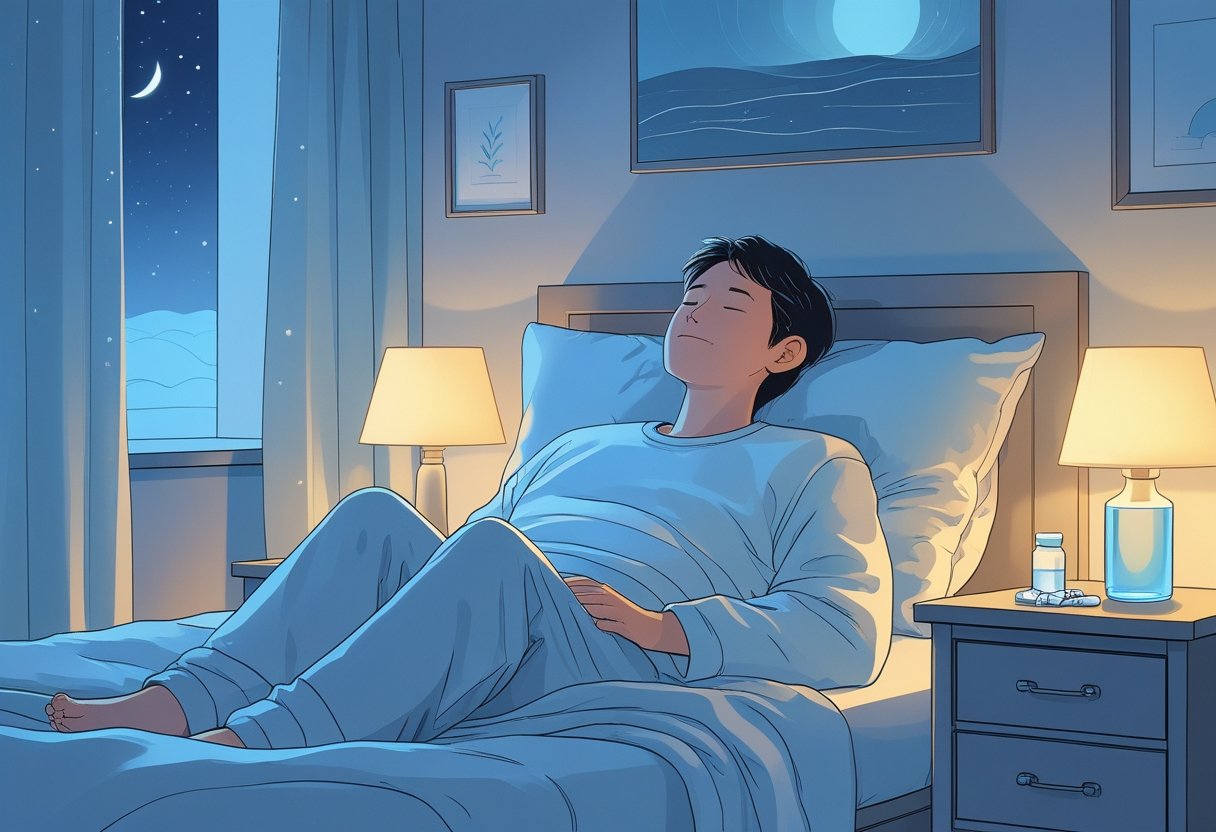
Nighttime panic can feel sudden and terrifying, but you can treat it effectively with the right steps. You will find relief through a mix of proven immediate techniques, therapy options like CBT, medication when needed, and better sleep habits.
This article shows practical paths you can take now and over time. You will learn how clinicians diagnose nocturnal panic, what to do when an attack wakes you, and which long-term therapies reduce recurrence.
If you want professional support, Tides Mental Health offers adult therapy via virtual and Chicago-based in-person sessions to help with anxiety, sleep issues, and related life changes.
Understanding Nocturnal Panic Attacks
Nocturnal panic attacks wake you suddenly with intense fear and clear physical symptoms. You will learn what these attacks are, what often triggers them during sleep, and which signs differ from daytime panic.
What Are Nocturnal Panic Attacks
A nocturnal panic attack is a sudden episode of intense fear that jolts you awake from sleep. You may wake fully alert, not groggy, and feel overwhelmed by fear or dread without a clear dream cause.
These attacks are often linked to an existing panic or anxiety disorder, though they can appear in people without daytime panic. Physical signs match daytime panic: racing heart, shortness of breath, sweating, trembling, and chest pain.
Cognitive symptoms include a strong fear of losing control, dying, or going insane. Because they break sleep suddenly, they can lead to insomnia and daytime fatigue if they repeat many nights.
Common Triggers During Sleep
Nocturnal panic attacks often happen in non-REM sleep stages when your body is not dreaming deeply. Triggers can be internal body changes like a spike in heart rate, sudden shifts in breathing, or low blood sugar.
Sleep-disordered breathing (like untreated sleep apnea) and certain medications or stimulants such as caffeine can increase risk. Stress and unresolved daytime anxiety raise your overall nervous system arousal and make nighttime attacks more likely.
Nighttime routines that include alcohol, heavy meals, or irregular sleep schedules can also trigger episodes. If you suspect a medical or sleep disorder, seek evaluation; addressing those causes reduces attacks.
Symptoms Unique to Nighttime Episodes
Nighttime panic often wakes you fully aware and focused on the panic, unlike nightmares that leave fuzzy memory. You may notice stronger physical sensations—more intense sweating, choking sensations, or a stronger chest pressure—because you were physically relaxed before the attack.
This contrast can make the fear feel sharper. You might also develop anxiety about falling asleep, which increases avoidance and insomnia.
Repeated nocturnal attacks can create a cycle: fear of sleep raises arousal, which raises the chance of another attack. If attacks persist, consider therapy options from Tides Mental Health, available mostly virtually with in-person sessions in the Chicago area, to address anxiety and break this cycle.
Diagnosis and Assessment
You will learn when to get medical help, which symptoms meet diagnostic criteria, and how sleep studies can clarify the cause of nighttime panic. These steps help separate nocturnal panic from medical or sleep disorders and guide treatment choices.
When to Seek Medical Advice
Seek medical help if nocturnal panic wakes you more than once a month, causes ongoing fear of sleep, or affects daytime function like work or relationships. Also see a clinician if you notice chest pain, fainting, trouble breathing, or new symptoms that could signal heart, lung, or thyroid problems.
Bring a record of attacks: time of night, sleep stage if known, symptoms, length, and any substances used before bed. Tell the clinician about anxiety, depression, recent trauma, or medication changes.
Tides Mental Health offers virtual and in-person evaluations in the Chicago area to assess these concerns and start treatment.
Diagnostic Criteria for Panic Attacks
A panic attack involves a sudden surge of intense fear or discomfort that peaks within minutes. You must have at least four physical or cognitive symptoms, such as racing heart, sweating, trembling, shortness of breath, chest pain, dizziness, choking sensations, chills, numbness, or a sense of unreality.
For nocturnal panic, the episode occurs during sleep and wakes you abruptly with those symptoms. Clinicians rule out substance causes and medical conditions before diagnosing panic disorder.
Assessment often includes screening for generalized anxiety, depression, and sleep problems to shape an effective treatment plan.
Role of Sleep Studies
A sleep study (polysomnography) can show whether your night wakings come from sleep apnea, periodic limb movements, or other sleep disorders rather than panic. The test records breathing, oxygen levels, heart rate, brain waves, and limb movements across a full night.
Your clinician will recommend a sleep study if attacks often occur during specific sleep phases, you snore loudly, have excessive daytime sleepiness, or have risk factors for sleep apnea. Use results to guide treatment—CBT and medication for nocturnal panic, or sleep apnea treatment when indicated.
Tides Mental Health can coordinate referrals for testing and follow-up care.
Immediate Management Strategies
Quick, simple steps can reduce the intensity of a nocturnal panic attack and help you feel safer. Use steady breathing, grounding, and gentle movement to calm your body, then follow specific steps to help you return to sleep.
Calming Techniques During an Episode
First, remind yourself that panic attacks are not physically dangerous. Tell yourself: “This will pass.” Say it aloud if you can.
Move slowly to a sitting position at the edge of the bed. Put your feet flat on the floor to reconnect with your body.
Splash cool water on your face or hold a cool cloth to your neck to lower heart rate and shift focus. Use 5-4-3-2-1 grounding: name 5 things you see, 4 you can touch, 3 you hear, 2 you smell, 1 you taste or want to taste.
Repeat until your thoughts slow. If you have a weighted blanket, wrap it loosely around your shoulders for steady pressure.
If panic continues or you feel unsafe, contact a trusted person or seek urgent help.
Breathing Exercises for Rapid Relief
Controlled breathing cuts through hyperventilation quickly. Try box breathing: inhale for 4 seconds, hold 4, exhale 4, hold 4.
Repeat five times. Keep your mouth closed and breathe through your nose.
If box breathing feels hard, do 4-4-8: inhale 4, exhale 8. Longer exhale activates your parasympathetic system and lowers heart rate.
Place one hand on your belly and one on your chest; focus on belly rise to ensure slow diaphragmatic breaths. If dizziness or lightheadedness appears, shorten counts (3-3-6) and concentrate on slow, even breaths.
Practice these exercises during the day so you can use them easily at night.
Safe Returning to Sleep After an Attack
Once your breathing and heart rate calm, create a low-stimulation routine before trying to sleep. Dim the lights or use a soft night lamp.
Avoid screens, bright lights, and caffeine for the rest of the night. Use progressive muscle relaxation: tense a muscle group for 5 seconds, then relax for 10.
Move from toes to face. Play quiet, non-stimulating sounds like calm white noise if it helps.
If worry keeps you up, jot down one short worry sentence on paper, then place it out of reach to signal a boundary. If attacks repeat or sleep disruption continues, consider professional help.
Tides Mental Health offers virtual sessions for anxiety-focused therapy and in-person care in Chicago. Contact them to set up a focused plan for nocturnal panic management.
Long-Term Treatment Approaches
Long-term care aims to reduce night panic, lower day‑time anxiety, and help you sleep through the night. Effective plans often combine therapy, medication when needed, and everyday habits you can keep up.
Cognitive Behavioral Therapy Options
CBT targets the thoughts and behaviors that trigger panic. You learn to notice early signs—racing heart, chest tightness, or fear of losing control—and use skills to stop escalation.
Techniques include cognitive restructuring to challenge catastrophic thoughts and interoceptive exposure to safely practice tolerating physical sensations. Sleep-focused CBT helps change fearful beliefs about sleep and reduce nighttime hypervigilance.
Sessions typically run weekly for several months, with homework like breathing practice and thought records. Tides Mental Health offers both virtual and in-person CBT in Chicago, so you can choose telehealth for convenience or face-to-face work when you prefer.
Medication for Nocturnal Panic Attacks
Medications can reduce attack frequency and make therapy more effective. First-line drugs are SSRIs such as sertraline or escitalopram; they take weeks to work and often require at least 6–12 months at a therapeutic dose.
Benzodiazepines help in the short term for severe night panic but carry risk of dependence and daytime sedation. Your prescriber will tailor choice and dose to your symptoms, sleep pattern, and medical history.
Combining medication with CBT usually gives better long-term outcomes than either alone. Tides Mental Health can coordinate care with a psychiatrist to monitor effects and plan safe tapering when appropriate.
Lifestyle Modifications for Prevention
Daily habits strongly affect nocturnal panic. Keep a consistent sleep schedule and make your bedroom cool, dark, and quiet to reduce awakenings.
Avoid caffeine, nicotine, and heavy meals for several hours before bed; limit alcohol, which can fragment sleep and trigger panic. Add a regular stress routine: 20–30 minutes of brisk walk, progressive muscle relaxation, or guided breathing before bed.
Track sleep and panic episodes in a simple journal so you and your clinician spot patterns. Tides Mental Health provides virtual coaching to build these routines and in-person support in Chicago if you want hands-on guidance.
Addressing Sleep Hygiene
Improving sleep habits can lower the chance of waking in a panic. Simple changes to your routine, evening habits, and bedroom can reduce arousal, help you fall back asleep faster, and make panic episodes less likely.
Consistent Sleep Routines
Aim to go to bed and wake up at the same time every day, even on weekends. This trains your body clock and makes sleep more regular.
Choose a bedtime that gives you 7–9 hours of sleep and stick to it. Build a short pre-sleep routine that signals your brain it’s time to wind down.
Try 20–30 minutes of low-stimulation activities like reading a paper book, light stretching, or a warm shower. Avoid heavy meals and intense exercise within two hours of bedtime.
If you wake during the night, stay calm and use quiet activities—deep breathing, progressive muscle relaxation, or a simple mindfulness exercise. Keep lights low and avoid checking the clock, which raises anxiety and can trigger more panic.
Reducing Stimulants and Screen Time
Cut caffeine after early afternoon. Caffeine can stay in your system for 6–8 hours and makes it harder to fall back asleep if you wake in a panic.
Also limit nicotine and heavy alcohol use, since they disturb sleep architecture and increase night awakenings. Stop screens at least 60 minutes before bed.
The blue light from phones and laptops suppresses melatonin and activates your brain. If you must use devices, enable night mode and lower brightness.
Create a short tech rule: no devices in bed and charge phones outside the bedroom. That reduces late-night checking and helps break the cycle of worry that can lead to nocturnal panic.
Creating a Supportive Sleep Environment
Keep your bedroom cool, quiet, and dark. Aim for a temperature around 65°F (18°C).
Use blackout curtains, a white noise machine, or earplugs to block light and sound that can jolt you awake. Choose bedding that feels comfortable and replace pillows or mattresses if they cause discomfort.
Reserve the bed for sleep and sex only—this strengthens the mental link between bed and restful sleep. If night panic persists, consider talk therapy.
Tides Mental Health offers virtual and in-person therapy in the Chicago area focused on anxiety and sleep-related issues. Many people respond well to cognitive-behavioral techniques taught in therapy alongside sleep habit changes.
Managing Underlying Conditions
You can reduce night panic by treating other problems that make panic worse. Focus on anxiety and mood disorders, sleep problems, and any medical issues that may trigger symptoms.
Addressing Comorbid Anxiety Disorders
If you have panic disorder, generalized anxiety, or PTSD, targeted therapy helps. Cognitive behavioral therapy (CBT) and panic-focused CBT teach you to spot worry patterns and practice exposure to panic cues.
Therapy usually runs weekly for several months. Many people see steady improvement in sleep and fewer nocturnal panic episodes.
Medication can help when symptoms are severe or do not respond to therapy alone. Selective serotonin reuptake inhibitors (SSRIs) are commonly used.
Benzodiazepines may stop acute night panic but carry dependence risks. Discuss benefits and limits with your clinician.
Tides Mental Health offers both virtual and Chicago-area in-person therapy if you prefer structured treatment. You can combine therapy and medication under clinician guidance.
Treatment for Sleep Disorders
Sleep apnea, restless legs, and disrupted sleep can trigger night panic by causing sudden awakenings. If you snore loudly, gasp for air, or feel very sleepy during the day, get a sleep study to check for sleep apnea.
Treating sleep apnea with CPAP or oral appliances often reduces nocturnal panic. Improve sleep hygiene to lower night panic risk.
Keep a regular sleep schedule. Avoid caffeine after noon, limit alcohol close to bedtime, and create a cool, dark room.
Try progressive muscle relaxation or 4-4-8 breathing before bed to calm your body. These techniques make awakenings less likely to spin into panic.
Coordinate care so your sleep specialist and mental health clinician share treatment goals. Tides Mental Health can help arrange evaluation and follow-up, mainly through virtual sessions, with in-person options in Chicago when needed.
Handling Medical Factors
Certain medical issues can mimic or trigger panic: thyroid disease, heart arrhythmias, low blood sugar, and some medications or stimulants. Get a primary care checkup that includes thyroid tests, ECG if you have palpitations, and a medication review.
Correcting a medical cause can stop night panic entirely. Track symptoms to give clinicians clear data.
Note time of night, accompanying signs (chest pain, sweating), recent medication or caffeine use, and any triggers. Bring this log to appointments to speed diagnosis.
If a medication you take may cause anxiety, work with your clinician to adjust dose or try alternatives. Tides Mental Health can coordinate with your primary care or specialists to align medical care and mental health treatment.
Support Networks and Resources
You can get professional therapy, join peer support groups, and use reliable educational materials and helplines to manage nocturnal panic attacks. Each option offers different kinds of help: therapy for structured treatment, groups for shared experience, and resources for quick guidance.
Professional Therapy and Counseling
You can work with a licensed therapist to target nocturnal panic attacks using evidence-based methods like CBT and exposure therapy. Tides Mental Health offers adult-focused therapy for anxiety, depression, life transitions, and couples or family issues, with plans to expand into child and adolescent care.
Most sessions (about 60–70%) are virtual. In-person visits are available in the Chicago area.
Therapists will assess your symptoms, sleep patterns, and triggers, then create a treatment plan that may include breathing and grounding techniques for night symptoms. Medication reviews and coordination with your prescriber are possible when needed.
Ask about session format, frequency, and progress measures before you start.
Support Groups for Panic Disorders
Peer groups let you hear others’ real experiences with night panic and learn practical coping tips. Look for groups that meet regularly and focus on panic disorder or nocturnal panic specifically.
Tides Mental Health can connect you to moderated groups or recommend local in-person options in Chicago if you prefer face-to-face support. Group formats include weekly online meetings and monthly in-person sessions.
Expect shared problem-solving, skill practice (like relaxation and sleep hygiene), and emotional support. Groups don’t replace therapy, but they reduce isolation and offer strategies you can test between sessions.
Educational Materials and Helplines
Keep clear, trusted materials on hand for when nighttime panic strikes. Use short guides on breathing exercises, progressive muscle relaxation, and grounding steps you can follow in bed.
Printable checklists and one-page action plans work best when you wake up disoriented. Maintain a list of helplines and local crisis numbers for urgent help.
Tides Mental Health provides resources and referral information, and can direct you to emergency services if needed. Bookmark reliable websites, brief videos on night panic coping skills, and contact info for your therapist so you can act quickly when an attack occurs.
Lifestyle and Self-Care Practices
These practical steps focus on lowering nighttime arousal, improving sleep quality, and giving you tools to handle sudden panic. Prioritize small, consistent habits you can practice daily and use targeted exercises to calm your body and mind before bed.
Relaxation Techniques for Daily Life
Practice slow, diaphragmatic breathing for 5–10 minutes twice a day. Breathe in for 4 seconds, hold 1–2 seconds, then exhale for 6–8 seconds.
This lowers heart rate and reduces the chance of waking in a panic. Use progressive muscle relaxation before bed.
Tense each muscle group for 5 seconds, then relax for 15–20 seconds from head to toe. It helps shift your body from fight-or-flight to rest.
Try a short, guided body-scan recording if you wake at night. Keep a bedside lamp and play 5–10 minutes of calm voice instructions to refocus on physical sensations instead of fearful thoughts.
Limit stimulating activities within 90 minutes of sleep. Replace screens with reading, gentle stretching, or a warm shower.
These habits cut down on nighttime arousal that can trigger nocturnal panic.
Stress Management Skills
Identify two regular stressors you can change, such as late-night work or irregular meals. Set clear boundaries: stop work at a fixed time and plan a 30-minute wind-down routine.
Use a daily stress log. Note high-stress moments, what triggered them, and one coping action you tried.
Over weeks you’ll spot patterns and can shift routines to reduce evening buildup. Build a short nightly routine that includes calming actions: dim lights, write a 5-minute worry list, and do breathing or stretching.
Consistent routines lower baseline anxiety and reduce the chance of sudden night panic. Reach out when you need help.
Tides Mental Health offers therapy options focused on anxiety, life transitions, and relationships. You can use virtual sessions for flexibility or meet in person in the Chicago area.
Mindfulness and Meditation Practices
Begin with 5-minute guided meditations and increase slowly to 15–20 minutes as you feel comfortable. Focus on noticing breath, body sensations, or sounds without judgment.
This trains your mind to observe panic symptoms without amplifying them. Practice grounding exercises you can use if you wake up panicked.
Try the 5-4-3-2-1 technique: name 5 things you see, 4 you can touch, 3 you can hear, 2 you can smell, and 1 you can taste or imagine. It brings attention back to the present.
Use short, frequent mindfulness moments during the day—while waiting in line or between tasks. These brief practices lower overall reactivity and make it easier to stay calm if you wake at night.
Prognosis and Ongoing Management
With treatment, many people see fewer nocturnal panic attacks and better sleep within weeks to months. Your response depends on how soon you start care, the treatments you use, and other health factors like anxiety or depression.
Ongoing management usually blends therapy, medication when needed, and lifestyle changes. Cognitive Behavioral Therapy (CBT) and relaxation techniques target the panic cycle.
SSRIs or other medications may reduce attack frequency. Keep a simple plan to track symptoms and triggers.
Use a short sleep and panic diary, note medication effects, and share this with your clinician so adjustments happen sooner. You will likely need regular follow-up at first, then less often as symptoms improve.
Many people transition from weekly sessions to monthly check-ins to maintain gains and prevent relapse. Tides Mental Health offers adult-focused therapy for anxiety, depression, life transitions, and couples or family concerns.
You can access most care virtually (about 60–70% of sessions) and choose in-person visits at our Chicago-area offices when you prefer face-to-face support. Self-care supports long-term success.
Aim for consistent sleep habits, reduce caffeine and alcohol, practice breathing or progressive muscle relaxation, and stay active. If attacks return or worsen, contact your provider to review or change your plan.