
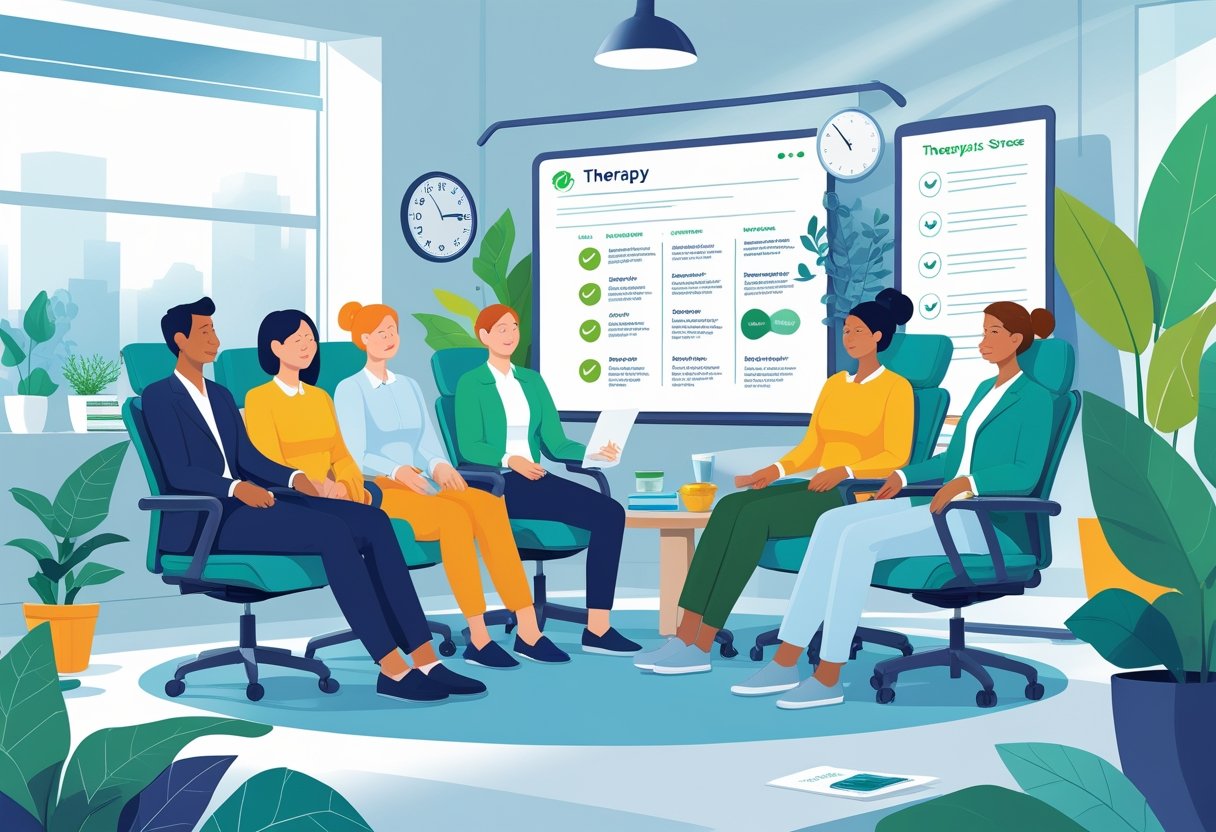
You probably feel stretched thin, drained, or anxious from work. Therapy can help you understand what’s driving that stress, reduce symptoms like exhaustion and worry, and give you practical tools to prevent burnout before it derails your life.
Targeted therapy and workplace-focused strategies help you feel more in control, reduce anxiety and depressive symptoms, and rebuild energy for work and home.
This article explains how evidence-based therapies address stress, anxiety, depression, and life changes tied to work. You’ll learn which approaches work, how to build habits that protect your well-being, how leaders and workplaces can help, and how to measure progress so you know the therapy is working.
If you want options, Tides Mental Health offers virtual and in-person therapy in the Chicago area that focuses on adults, couples, and families. Many sessions are available online for flexibility.
Understanding Workplace Stress and Burnout
Workplace stress and burnout affect how you feel, think, and perform at work. Knowing what stress looks like, how burnout shows up, and what usually causes it helps you take action sooner.
Defining Workplace Stress
Workplace stress happens when job demands exceed the resources you have to meet them. This includes too much work, unclear roles, tight deadlines, or constant interruptions.
Stress can be short-term—like a high-stakes presentation—or chronic, when pressure builds over months. You may notice physical signs such as headaches, trouble sleeping, or stomach issues.
You might also feel anxious, irritable, or distracted. If stress continues, it can lower your productivity and make decision-making harder.
Therapy can teach skills to manage stress, such as setting boundaries, improving time management, and changing unhelpful thinking. Tides Mental Health offers virtual and in-person sessions in Chicago to help you build those skills.
Symptoms of Burnout
Burnout is more than being tired; it’s emotional exhaustion, feeling detached, and a reduced sense of accomplishment. You might stop caring about your work, feel cynical toward colleagues, or doubt your effectiveness.
Tasks that once felt meaningful can feel pointless. Look for persistent fatigue, poor concentration, increased mistakes, and social withdrawal.
You might use more sick days or rely on substances to cope. Physical symptoms can include chronic pain, sleep problems, and weakened immunity.
Therapists can help you identify burnout early and create a plan to recover. Treatments often include stress-management training, cognitive strategies to reduce negative thinking, and rebuilding social support at work and home.
Causes of Stress in the Workplace
Common causes include heavy workloads, unclear expectations, low control over tasks, and poor management. High job demands with little input on how to do work raises stress quickly.
Conflicting priorities and frequent interruptions also wear you down. Workplace culture matters.
Lack of recognition, poor communication, and bullying increase stress. Life factors such as family pressures or health problems can add to job stress too.
Remote work can reduce commute stress but create blurred boundaries and longer work hours. Addressing causes often needs both personal strategies and organizational changes.
You can work with a therapist to develop coping skills, while employers can change workload, clarify roles, and improve support. Tides Mental Health provides therapy focused on anxiety, depression, and life transitions to help you manage these issues.
The Impact of Stress and Burnout on Professionals
Stress and burnout can change how you feel, how you work, and how much your employer spends on keeping operations running. You may notice physical and mental health changes, drops in work quality, and rising organizational costs.
Consequences for Employee Health
Chronic workplace stress can cause persistent fatigue, sleep problems, and frequent headaches. You might experience anxiety, increased irritability, or a low mood that lasts for weeks.
Burnout often leads to emotional numbness or feeling detached from your job and coworkers. That can make it harder for you to form supportive relationships at work and to ask for help when you need it.
Long-term effects include higher risk for depression, substance use, and cardiovascular issues. If you’re showing signs like withdrawal, trouble sleeping, or sudden changes in concentration, consider reaching out for therapy.
Tides Mental Health offers mostly virtual therapy—about 60–70% remote—and in-person care in Chicago if you prefer face-to-face support.
Productivity and Performance Effects
Stress reduces focus and decision-making speed. You may miss details, make more errors, or take longer to complete routine tasks.
Small mistakes then require extra review and rework. Burnout lowers motivation, so you might stop volunteering for projects or stop contributing ideas.
Your creativity and problem-solving decline, which affects team outcomes and project timelines. When anxiety or depression follows chronic stress, absenteeism and presenteeism rise.
That means you either miss work or come in but perform below your usual level. Therapy focused on anxiety, depression, and life transitions can help restore concentration and work habits.
Organizational Costs
High staff turnover and recruitment costs follow unmanaged burnout. Replacing one salaried employee can cost the organization several months’ worth of that salary in hiring and training expenses.
Productivity losses add up from increased sick days and reduced output. Teams spend more time correcting errors and covering for absent colleagues, which delays deliverables and raises overtime pay.
Investing in employee mental health—such as offering counseling, flexible schedules, and supervisor training—reduces turnover and lowers long-term costs. Tides Mental Health provides therapy plans that organizations can recommend to employees, with virtual options for wide access and Chicago-based in-person care for local staff.
Evidence-Based Therapy Approaches for Stress and Burnout
You can use targeted therapy methods to reduce anxiety, lift mood, and change how you respond to workplace pressure. These approaches teach specific skills you can use in daily work, during transitions, and in relationships affected by stress.
Cognitive Behavioral Therapy Techniques
Cognitive Behavioral Therapy (CBT) focuses on the links between your thoughts, feelings, and actions. You learn to spot unhelpful thinking patterns—like catastrophizing or black-and-white thinking—and replace them with realistic, balanced thoughts.
That change often lowers anxiety and reduces emotional exhaustion. Practical CBT tools include activity scheduling to rebuild routine and energy, behavioral experiments to test negative beliefs about work, and exposure steps for avoidance behaviors.
You also practice problem-solving to manage workload and role conflict. These exercises work well in short-term, goal-focused courses and fit virtual or in-person sessions, including those at Tides Mental Health in Chicago.
Mindfulness-Based Stress Reduction
Mindfulness-Based Stress Reduction (MBSR) trains you to pay steady attention to the present moment without judgment. You practice breath awareness, body scans, and short mindful pauses to reduce reactivity when work gets intense.
This lowers physiological stress and improves focus during busy shifts or meetings. Sessions teach simple habits you can use between appointments: two-minute breathing breaks, mindful walking to clear your head, and noting emotions before reacting.
MBSR pairs well with CBT techniques and works effectively in both virtual and in-person formats. You can access these practices through Tides Mental Health’s virtual sessions or their Chicago clinic.
Acceptance and Commitment Therapy
Acceptance and Commitment Therapy (ACT) helps you accept tough feelings while committing to actions that match your values. Instead of trying to eliminate stress, you learn to tolerate uncomfortable thoughts and still act in ways that matter—like supporting a team or keeping boundaries.
Key ACT skills include values clarification, cognitive defusion (to reduce the grip of thoughts), and short, actionable steps you can take at work to stay aligned with priorities. ACT can reduce burnout-related avoidance and boost meaning in your role.
Tides Mental Health offers ACT-informed work in both virtual therapy and in-person counseling in Chicago.
Preventive Strategies in the Workplace
You can reduce stress and lower burnout risk by building systems that catch problems early, teach practical skills, and change the daily work environment. These actions include screening and short interventions, targeted training, and concrete changes to workload, schedules, and support.
Early Intervention Programs
Set up routine check-ins and brief screenings to find rising stress before it becomes burnout. Use short surveys or one-page mood trackers every 4–8 weeks to spot trends in anxiety, sleep problems, or low engagement.
When scores rise, offer a quick, time-limited intervention: one to four coaching or therapy-style sessions focused on coping skills, sleep hygiene, and task prioritization. Make access fast and easy.
Give employees direct booking for virtual sessions, with 60–70% offered online and 30–40% in-person if you are in the Chicago area. Track outcomes with simple metrics: return-to-normal scores, days off, and self-rated work focus.
Tides Mental Health can provide coordinated care options and fits this model for workers seeking help.
Training and Education Initiatives
Teach supervisors and staff clear skills that reduce workplace stress. Provide workshops on recognizing burnout signs, delivering supportive feedback, and arranging reasonable workloads.
Run short modules on cognitive strategies to manage anxiety, basic sleep tips, and techniques for reducing rumination during work hours. Use mixed delivery: live virtual sessions for broad reach and in-person sessions for hands-on practice in Chicago.
Reinforce training with quick job aids—one-page checklists, 5-minute breathing scripts, and 10-minute microlearning videos. Require managers to complete the supervisor module and tie completion to leadership development goals.
Promoting Healthy Work Environments
Change policies and daily routines to lower chronic stress sources. Limit after-hours emails with clear guidelines, set predictable schedules, and build regular breaks into the day.
Adjust staffing and deadlines when metrics show persistent overload; even small workload shifts can reduce exhaustion. Create team-level supports like peer check-ins and protected focus blocks.
Offer flexible scheduling and clear role descriptions so you know what’s expected. Provide easy access to therapy and counseling through Tides Mental Health, with virtual options and Chicago-area in-person care, so you can get help without long delays.
Role of Support Systems and Resources
Support systems give you practical help and steady contact when stress builds. They can connect you to counseling, teach coping skills, and create regular check-ins so issues get caught early.
Employee Assistance Programs
Employee Assistance Programs (EAPs) offer short-term counseling and referrals for anxiety, depression, and work-life issues. You can access confidential sessions, usually by phone or video, which fit well with Tides Mental Health’s mostly-virtual services.
EAPs often cover crisis calls, basic legal or financial referrals, and links to longer-term therapists when needed. EAPs work best when you know how to use them.
Check your employer’s policy for session limits, privacy rules, and how to get urgent help after hours. If your workplace lacks an EAP, ask HR to add one or push for a vendor that partners with local in-person options in Chicago alongside virtual care.
Peer Support Groups
Peer support groups let you share real experiences with coworkers who face similar stressors. Groups can focus on burnout, role transitions, or caregiver strain.
You gain practical tips, accountability, and reduced isolation by meeting regularly, online or in person. Effective groups have clear ground rules, a trained facilitator, and a schedule.
You should look for groups that combine skill-building—like stress-management techniques—with emotional check-ins. If you prefer clinical help, pair group attendance with individual therapy through Tides Mental Health, which can match group learnings to your personal treatment goals.
Self-Care and Resilience Building for Employees
You can build daily habits and simple skills that lower stress now and protect you from burnout later. Practical steps include clear work-home limits and short, proven stress tools you can use during the day.
Establishing Healthy Work-Life Boundaries
Set fixed start and end times for your workday and stick to them. Turn off work notifications after your end time and create a short “shutdown” ritual—review tasks for five minutes, set tomorrow’s top three priorities, then close your laptop.
Create a physical cue that separates work from home. If you work from home, leave your workspace between work and personal time.
If you’re in the Chicago office, keep a packed work bag you leave by the door to mark transition. Tell your team about your core hours and use shared calendars to block focused time.
Say no to extra meetings when you need deep work or rest. If you need help building boundaries or managing anxiety about pushback, Tides Mental Health offers virtual and Chicago-based in-person sessions to support you.
Stress Management Techniques
Practice short, repeatable techniques you can use at your desk or between meetings. Try a 4-4-4 breathing cycle: inhale 4 seconds, hold 4, exhale 4.
Do it three times to reduce heart rate and clear your mind. Use microbreaks: stand, stretch, or walk for two minutes every hour.
Schedule one 10–15 minute mindfulness pause mid-day. Guided self-compassion or brief body scans help reduce rumination and prevent exhaustion.
Track stress triggers in a simple list for a week. Note time, activity, and feeling.
Look for patterns—repeated triggers show where to change tasks, ask for help, or adjust workload. For tailored coaching on coping skills, anxiety, or depressive symptoms tied to work stress, consider Tides Mental Health’s virtual therapy or Chicago in-person care.
Leadership and Organizational Responsibilities
Leaders set the tone for stress prevention and recovery. Your organization must spot early signs of burnout and adopt clear practices that protect employee well-being, reduce turnover, and support return-to-work plans.
Recognizing Burnout Warning Signs
Watch for changes in attendance and work quality. You may notice more missed deadlines, frequent sick days, or a drop in the accuracy of routine tasks.
Pay attention to behavior and mood shifts. Increased irritability, withdrawal from team interactions, or repeated complaints about workload can signal burnout.
Track physical and emotional reports. Persistent fatigue, sleep problems, or expressions of cynicism about work often precede clinical issues like anxiety or depression.
Use simple monitoring tools. Short weekly check-ins, brief pulse surveys, and supervisor logs help you spot trends early.
When you identify risk, offer timely support and a clear plan for workload adjustments or therapy options like Tides Mental Health.
Creating Supportive Leadership Practices
Train managers to have structured, private conversations about stress. Teach them to ask specific questions about workload, deadlines, and work–life balance rather than vague check-ins.
Set concrete policies to reduce chronic overload. Examples include protected focus time, limits on after-hours messaging, and workload reviews every quarter to rebalance tasks.
Provide accessible mental health options. Offer virtual counselling (60–70% of sessions) and in-person care in Chicago (30–40% of sessions).
Make referral steps clear, include short-term therapy for anxiety or depression, and highlight family or couples support when work stress spills into home life. Measure and adjust.
Use simple metrics—sick days, staff turnover, and pulse-survey scores—to see if changes reduce stress. Report findings to staff and act on them so you maintain trust and show commitment.
Evaluating Therapy Outcomes and Measuring Success
You need clear measures to know whether therapy reduces workplace stress and prevents burnout. Start with simple, repeatable tools like symptom checklists for anxiety and depression, and burnout scales that track exhaustion, cynicism, and reduced effectiveness.
Use both numbers and stories. Quantitative data—survey scores, absenteeism rates, and session attendance—show trends over time.
Qualitative feedback—client notes, daily functioning reports, and brief session reflections—captures real-world change. Track progress regularly.
Collect baseline data before therapy, then measure at set intervals (for example, every 4–8 weeks). This helps you spot improvements or the need to adjust treatment.
Combine individual and organizational indicators. Individual metrics include symptom change, coping skills, and work-life balance.
Organizational metrics include reduced sick days, improved productivity ratings, and employee retention. Practical tools you can use:
- Standardized questionnaires (PHQ-9, GAD-7, Maslach Burnout Inventory)
- Session-level ratings (0–10 progress scales)
- Client feedback forms and goal attainment scaling
Tides Mental Health supports both virtual and in-person care to gather this data. Most sessions are virtual (60–70%), with in-person options in the Chicago area (30–40%).
You can use secure digital tools for outcome monitoring to make tracking fast and private. Report results simply.
Share easy-to-read charts and short summaries with stakeholders. Use findings to refine therapy plans and to show real benefit for you and your team.
Emerging Trends in Workplace Stress Reduction
More workplaces now blend digital and in-person care to meet different needs. You can access virtual therapy for anxiety, depression, and life transitions most of the time.
You can still find in-person support near Chicago when you prefer face-to-face care.
Employers and clinicians use real-time tools to spot rising stress before it becomes burnout. These include short digital check-ins and mood tracking that let you and your counselor adjust strategies quickly.
Programs now combine skills training and organizational change. You can learn coping skills in therapy while your workplace reduces workload and improves social support to lower ongoing stress.
Therapy models emphasize brief, focused sessions that fit a busy schedule. This works well if you need help for specific problems like anxiety, depression, or relationship strain at work.
There’s growing interest in prevention, not just treatment. You can join resilience workshops, stress-reduction trainings, or early screening that aim to stop burnout before it starts.
Options often include blended care plans: mostly virtual therapy with some in-person visits as needed. Tides Mental Health offers both virtual care and Chicago-area in-person sessions to support adult therapy, couples and family counseling.
There are also plans to expand into child and adolescent services.