
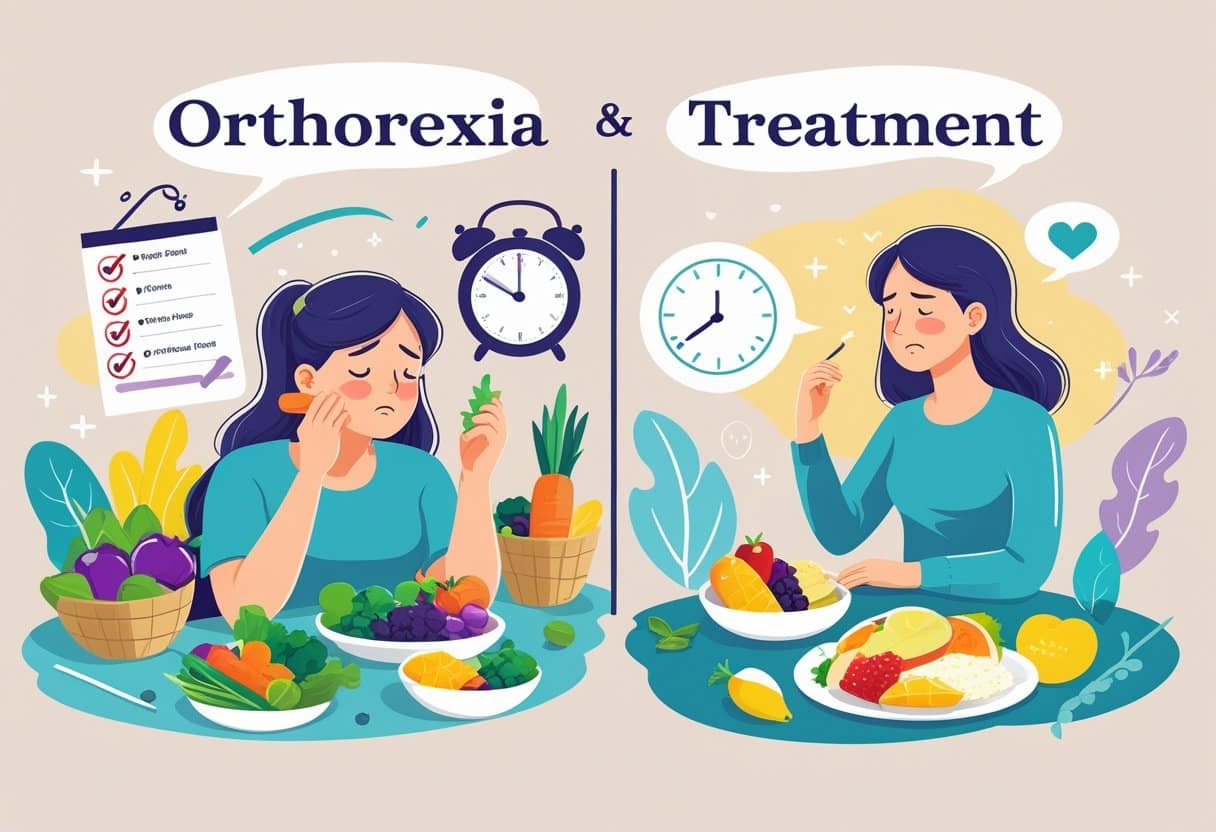
Orthorexia, often referred to as orthorexia nervosa, is a growing concern in today’s society, where the emphasis on healthy eating can sometimes lead to unhealthy obsessions. This condition is characterized by an extreme focus on consuming “clean” or “healthy” foods, which can result in nutritional deficiencies and significant psychological distress. Recognizing the symptoms of orthorexia is crucial for understanding how it impacts your health and well-being.
You may experience feelings of guilt or anxiety when consuming anything outside your strict dietary guidelines, leading to social isolation and progressive malnutrition. Addressing these symptoms is essential for restoring a balanced approach to eating. Treatment typically involves both therapy and nutritional counseling to help you develop a healthier relationship with food. Exploring ways to manage and treat orthorexia can significantly enhance your quality of life and overall mental health.
If you find yourself or someone you care about struggling with these issues, seeking support is a vital step toward recovery. Options for treatment can range from individual therapy to group counseling, all aimed at addressing underlying concerns such as anxiety and depression. You can explore effective strategies and support systems available in your area, including options through Tides Mental Health for those based in Chicago.
Orthorexia Symptoms
Orthorexia involves a complex set of symptoms affecting both mental and physical health. Recognizing these signs is crucial for early intervention and effective treatment. Below are detailed aspects of the symptoms associated with orthorexia.
Behavioral Signs of Orthorexia
Individuals with orthorexia often display rigid thinking about food. You may find yourself obsessively checking food labels or being extremely selective about food quality. This might manifest as avoiding entire food groups perceived as unhealthy while strictly adhering to a self-imposed diet.
You could also become anxious or upset when facing situations where your food options are limited. This behavior may isolate you from social gatherings or restrict your choices at restaurants, impacting your overall quality of life.
Common behaviors include:
- Excessive meal planning: Spending significant time organizing what you will eat.
- Guilt associated with “unhealthy” foods: Experiencing strong feelings of shame or anxiety for eating anything deemed impure.
Emotional and Psychological Symptoms
Orthorexia can significantly affect your mental well-being. You might experience heightened anxiety related to food choices, feeling a lack of control if you consume something not deemed healthy. This can be distressing, leading to intrusive thoughts about food quality.
Feelings of superiority may arise from your eating habits, creating a false sense of self-esteem linked to dietary restrictions. You could also notice an increase in obsessive-compulsive behaviors regarding food preparation and consumption.
Common emotional symptoms include:
- Irritability when unable to follow your strict eating habits.
- Low self-esteem due to perceived failures in maintaining dietary goals.
Physical Consequences of Restrictive Eating
The restrictive nature of orthorexia can lead to various physical health issues. Nutritional deficiencies may develop due to an unbalanced diet, increasing the risk of malnutrition. You might experience symptoms like fatigue, weakness, or dizziness, which can indicate anemia or low sodium levels.
Additionally, drastic changes in eating habits could lead to significant weight loss, affecting your energy and overall health. Severe cases often result in a slow heart rate, reflecting potential heart problems.
Physical consequences include:
- Fatigue and lethargy due to inadequate caloric intake.
- Digestive issues stemming from a lack of variety in food.
Understanding these symptoms can empower you to seek help if needed, especially through professional support like Tides Mental Health, which offers comprehensive counseling in various formats.
Causes and Risk Factors
Understanding the causes and risk factors associated with orthorexia is crucial for recognizing its development. Factors can range from personal traits to societal influences, impacting your relationship with food and body image.
Personality Traits Linked to Orthorexia
Certain personality traits are commonly observed in individuals with orthorexia. Perfectionism stands out as a significant factor; the desire to achieve an ideal standard in life can make you overly focused on “clean eating.”
Neuroticism, characterized by emotional instability, can intensify feelings of anxiety or depression surrounding food choices. You might find yourself constantly worried about the nutritional value of your meals, leading to obsessive behaviors.
This fixation can further result in a negative body image as a need for control over food intake and weight increases. A cycle often emerges, where anxiety about unhealthy eating fuels stricter dietary rules, reinforcing orthorexic behaviors.
Sociocultural Influences
Sociocultural factors significantly impact the rise of orthorexia. The pervasive diet culture promotes unrealistic standards for health and appearance, fostering anxiety and pressure to conform. Social media platforms, particularly Instagram, can exacerbate these issues as they often glorify images of perfect bodies and “clean eating” lifestyles.
You may feel compelled to share your own healthy meals or fitness journeys, which can lead to further comparison and dissatisfaction. This constant exposure reinforces the idea that moral value is tied to one’s food choices. The chase for an unattainable ideal can push you into an orthorexic mindset, making it difficult to enjoy food without guilt.
History of Eating Disorders and Dieting
If you have a history of other eating disorders such as anorexia or bulimia, the risk of orthorexia increases. Previous struggles with food and body image can make you more susceptible to developing new obsessions with eating healthily in an attempt to regain control.
Dieting itself is also a precursor. Restrictive diets can trigger disordered eating patterns, leading to an obsession with “healthy” foods as a way to compensate for past failures. Mental health conditions such as anxiety and depression may further complicate this relationship with food. Seeking therapy can help you navigate these complex emotional and psychological landscapes, allowing for healthier coping strategies. If you need support, consider reaching out to Tides Mental Health for tailored therapy options.
Diagnosis and Related Conditions
Diagnosing orthorexia can be challenging due to its overlap with other disorders and the lack of universally accepted criteria. Understanding these aspects can provide clarity for individuals seeking help from healthcare professionals.
Challenges in Diagnosing Orthorexia
The primary difficulty in diagnosing orthorexia lies in its unofficial status. It is not included in the DSM-5, which classifies eating disorders. Mental health professionals may struggle to identify orthorexia as it shares traits with conditions like obsessive-compulsive disorder (OCD).
Patients often focus on “clean” eating to the detriment of their overall well-being, complicating the diagnosis further. Lack of awareness among doctors can lead to misdiagnosis, resulting in inadequate treatment plans. Thus, a thorough evaluation, including dietary habits and psychological assessments, is crucial for accurate diagnosis.
Orthorexia and Its Overlap with Other Disorders
Orthorexia often overlaps with other eating disorders, making clear definitions essential. While individuals with anorexia may restrict food intake to lose weight, those with orthorexia seek purity in their diet, leading to malnutrition or associated guilt.
Anxiety disorders, especially OCD, may co-occur with orthorexia. Individuals may experience intrusive thoughts about food quality, leading to compulsive behaviors surrounding eating. Recognizing these associations is vital for comprehensive treatment; addressing both orthorexia and any co-existing disorders can improve outcomes significantly.
Screening Tools and Emerging Criteria
Some emerging tools aim to identify orthorexia more effectively. Various questionnaires and assessments have been developed to evaluate obsessive eating patterns and dietary restrictions.
The National Eating Disorders Association provides resources to assist in identifying symptoms associated with orthorexia. However, no definitive diagnostic criteria exist yet. Mental health professionals often utilize a combination of interviews and observational assessments to gauge the severity of the disorder.
As research evolves, an official definition may emerge, facilitating more accurate diagnoses and appropriate treatment plans. If you’re considering evaluation for orthorexia, consulting a qualified doctor or mental health professional can offer guidance tailored to your situation.
Treatment Approaches for Orthorexia
Addressing orthorexia involves a multifaceted approach that includes therapy, nutritional guidance, and support from mental health professionals. Effective treatment plans are tailored to each individual’s unique needs, ensuring comprehensive care.
Cognitive Behavioral Therapy (CBT) and Psychoeducation
Cognitive Behavioral Therapy (CBT) is a cornerstone of orthorexia treatment, as it helps you identify and challenge distorted beliefs about food and health. Through CBT, you learn to recognize unhealthy thought patterns that contribute to your obsession with “clean” eating. Psychoeducation complements this by providing essential knowledge about the physical and mental health consequences of orthorexia. This understanding fosters healthier attitudes towards food and helps reduce guilt associated with eating foods you might perceive as unhealthy.
Together, these methods encourage a more balanced relationship with food. They help you develop coping strategies for anxiety and stress, which often accompany restrictive eating habits. Doctors and registered dietitians may collaborate in this process, ensuring that nutritional issues are also addressed.
Nutritional Counseling and Meal Support
Nutritional counseling is vital for those struggling with orthorexia. A registered dietitian can help you establish a balanced eating plan that promotes variety and moderation, moving away from strict dietary restrictions. This support involves teaching you how to incorporate different food groups while still considering your health goals.
Meal support may also be integrated into your treatment. This could involve guided meal planning or even support during meal times to help you practice balanced eating in real-life scenarios. Learning to trust your body’s hunger signals will be emphasized throughout this process.
By engaging with a dietitian, you can gain insight into the nutritional benefits of foods typically avoided in orthorexia, allowing for a more positive relationship with food.
Role of Mental Health Professionals in Recovery
Mental health professionals play an essential role in your recovery journey from orthorexia. They provide therapy that specifically targets the underlying emotional issues related to eating disorders. This could include anxiety, depression, or issues stemming from life transitions.
In-person therapy, especially in the Chicago area, can facilitate a stronger therapeutic relationship, while virtual sessions offer flexibility. Engaging in therapies such as yoga may also be suggested to help promote a holistic approach to recovery.
Tides Mental Health is dedicated to offering tailored treatment plans, ensuring that you receive the support needed for lasting change. By working closely with mental health professionals, you will be able to address both the psychological and physical aspects of orthorexia, paving the way for recovery.
Impact on Daily Life and Recovery Outlook
The effects of orthorexia can permeate various aspects of daily life, significantly impacting social interactions, physical health, and the journey toward sustainable eating habits. Understanding these challenges can provide a clearer picture of the recovery process.
Social and Relational Challenges
Orthorexia often creates barriers in social settings. When you become overly focused on dietary restrictions, it can lead to avoidance of gatherings where food is central, resulting in isolation. Friends and family may find it difficult to understand your strict eating habits, potentially straining relationships.
The pressure to adhere to clean eating can lead to feelings of guilt or anxiety when indulging in social meals. This might create a cycle of stress, impacting your mental health. Rebuilding connections often requires open communication about your dietary beliefs while also being willing to compromise and participate in communal eating experiences.
Physical Health Recovery
Physical health can deteriorate due to malnourishment and nutritional deficiencies prevalent in orthorexia. Prolonged focus on ‘clean’ foods might limit essential nutrients necessary for bodily function, leading to fatigue, weakened immunity, and digestive issues.
Recovery involves working on balanced eating habits by gradually incorporating a variety of foods. This process may include nutritional counseling to ensure you meet your dietary needs. Monitoring your health through regular check-ups can help address any arising complications, making it vital to prioritize both mental and physical recovery.
Pathways to Sustainable Healthy Eating
Sustainable healthy eating is achievable through gradual changes in habits. You can start by diversifying your diet, which helps reduce the restrictive mindset associated with orthorexia. Focus on incorporating whole foods, while allowing for flexibility in your choices.
Building accountability through therapy sessions can also guide you toward maintaining a balanced relationship with food. Therapeutic support can provide the tools needed to shift your mindset around eating. Engaging in mindful eating practices encourages awareness of hunger cues, making it easier to enjoy a wide range of foods without guilt.
Exploring resources like Tides Mental Health can facilitate your journey, offering tailored support while addressing the anxieties and beliefs tied to your eating habits. Embracing this holistic approach can lead to a healthier outlook on food and well-being.
Frequently Asked Questions
Understanding orthorexia involves addressing key concerns that arise around its diagnosis, treatment, and impact. This section answers common questions regarding how this eating behavior is evaluated, its complications, and effective strategies for support and recovery.
How is orthorexia typically diagnosed?
Diagnosing orthorexia can be challenging, as it is not officially recognized in the DSM-5. Health professionals often rely on a detailed assessment that includes dietary habits, emotional responses to food, and the extent of nutritional preoccupation. A comprehensive evaluation may also involve screening for anxiety or depression, as these conditions are commonly associated with orthorexia.
Can orthorexia lead to other health complications?
Yes, orthorexia can result in various health issues. Malnutrition is a significant risk due to restrictive eating patterns that eliminate entire food groups. This can lead to nutrient deficiencies, muscle loss, and weakened immune function. In severe cases, it may also cause cardiovascular problems, menstrual irregularities, and impaired social functioning.
What psychological therapies are effective for treating orthorexia?
Cognitive behavioral therapy (CBT) has shown effectiveness in treating orthorexia. This approach focuses on changing negative thought patterns related to food and body image. Other therapeutic methods, such as mindfulness and acceptance-based strategies, can also help individuals develop a healthier relationship with food.
What role does diet play in the recovery from orthorexia?
Diet plays a crucial role in recovery. Nutritional rehabilitation aims to restore balance and variety in food intake. By gradually reintroducing previously avoided foods, individuals can begin to dismantle irrational beliefs about food and health, while also addressing any physiological deficiencies resulting from restrictive eating.
How can loved ones support someone with orthorexia?
Support from loved ones is vital for recovery. Encouragement to seek professional help can make a significant difference. Additionally, understanding and patience during the recovery process fosters a safe environment. Engaging in shared activities that center around food, while avoiding judgment, can also help ease anxieties around eating.
Is there a difference between orthorexia and other eating disorders?
Yes, orthorexia differs from other eating disorders in its focus on healthy eating rather than an obsession with weight loss. While it shares characteristics with conditions like anorexia and bulimia, the primary motivation in orthorexia involves an unhealthy fixation on the quality of food rather than the quantity or appearance. Recognizing these distinctions is important for proper treatment and support.