
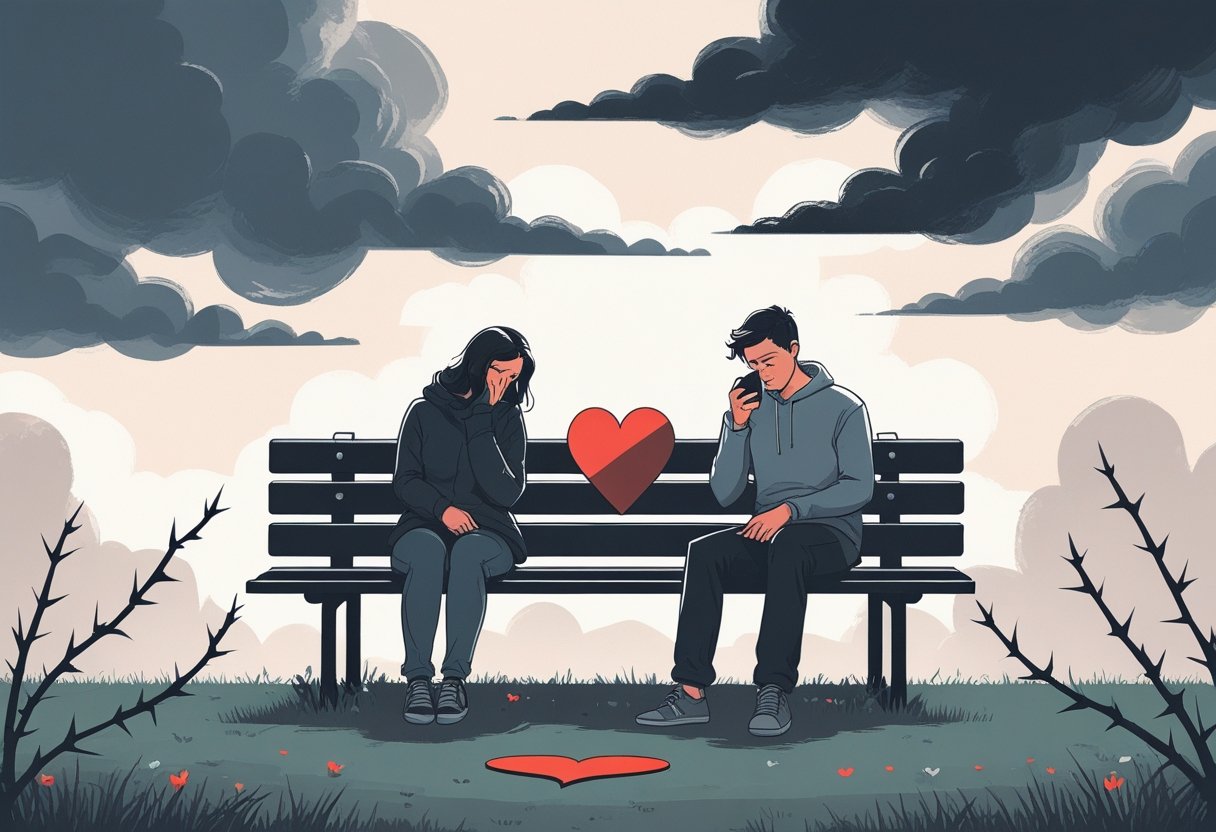
In relationships, your emotional well-being is crucial. Recognizing mental health red flags can help you maintain healthier connections and protect your self-worth. Signs such as constant criticism, lack of support, or disrespect for boundaries may indicate deeper issues that could harm your mental health.
Being aware of these warning signs empowers you to make informed decisions about your relationships. Identifying unhealthy patterns early can prevent emotional drain and anxiety. Understanding the impact of these red flags is essential for prioritizing your mental health and overall happiness.
You deserve relationships that foster growth, respect, and joy. If you notice troubling behaviors, it might be time to assess and address them. With the right support, whether through individual therapy or couples counseling, you can navigate these challenges and cultivate more fulfilling connections.
What Are Mental Health Red Flags in Relationships?
Recognizing mental health red flags in relationships is essential for your emotional well-being. These signs can indicate underlying issues, potentially leading to toxic dynamics that affect your mental health. Understanding what to look for can empower you to make informed decisions about your relationships.
Definition of Red Flags
Red flags are warning signs that indicate potential problems within a relationship. They often reveal unhealthy patterns, such as emotional manipulation or lack of respect. These signs are crucial because when ignored, they can lead to significant mental health issues, such as anxiety or depression. Addressing these red flags early can prevent more severe consequences, allowing you to prioritize your well-being.
Common Signs to Watch For
Some common red flags to be aware of include:
- Lack of Communication: Ignoring issues or failing to express feelings can create distance.
- Constant Criticism: If a partner frequently criticizes your actions or beliefs, it undermines your self-esteem.
- Isolation: When a partner discourages relationships with friends or family, it signals possessiveness.
- Jealousy and Control: Excessive jealousy and attempts to control your behavior indicate toxic dynamics.
- Disrespecting Boundaries: A partner who disregards your personal limits can cause significant emotional harm.
Recognizing these signs can help you assess the health of your relationship.
Mental Health Impact of Red Flags
Ignoring mental health red flags in relationships can lead to serious emotional consequences. Prolonged exposure to toxic behaviors can result in:
- Increased Anxiety: Persistent stress from relationship problems can heighten anxiety levels.
- Depression: Feeling trapped or unsupported can lead to feelings of hopelessness.
- Lowered Self-Esteem: Constant criticism and control can significantly damage your self-worth.
- Isolation and Loneliness: Breaking ties with friends and family can exacerbate feelings of loneliness.
Seeking support, whether through resources like Tides Mental Health or engaging with trusted friends or professionals, is vital for mitigating these impacts. Addressing red flags promptly can lead to healthier relationship dynamics and improved mental well-being.
Types of Mental Health Red Flags
Recognizing the signs of mental health red flags in relationships is crucial for maintaining emotional wellbeing. Various behaviors signal the presence of unhealthy dynamics, which can significantly impact your mental health. Below are key types to be aware of.
Emotional Abuse and Manipulation
Emotional abuse often manifests through controlling behavior, harsh criticism, or constant belittlement. If your partner uses tactics like gaslighting, you may start to doubt your perceptions and feelings. Manipulation can involve emotional blackmail, where guilt is used to control your actions. This behavior can erode your self-esteem and mental stability over time. It’s important to identify these patterns early on. When emotional abuse occurs, the effects can range from anxiety and depression to a profound sense of isolation. Always trust your instincts; if something feels off, it’s crucial to seek support.
Jealousy and Lack of Trust
Jealousy is more than mere insecurity; it’s a significant red flag. If your partner exhibits excessive jealousy or questions your interactions with others, this can indicate deeper trust issues. A lack of trust often leads to controlling behavior, including monitoring your phone or social media activity. Such actions can create an atmosphere of tension and stress, affecting your mental health. In relationships characterized by distrust, you may feel confined and anxious. A balanced partnership should foster an environment of mutual respect and understanding, where both parties feel secure in their connection.
Physical and Domestic Violence
Physical abuse is perhaps the most overt form of relationship red flags. This includes any act of violence, such as hitting, pushing, or other forms of physical intimidation. Domestic violence can escalate quickly, often starting with verbal or emotional abuse before it becomes physical. Victims may rationalize the behavior as an isolated incident, but it is essential to recognize that any form of violence is unacceptable. The impact of physical abuse can lead to long-lasting psychological trauma, including PTSD. If you notice any signs of physical violence, it is crucial to seek help immediately, as your safety and mental well-being are paramount. For those experiencing these situations, Tides Mental Health offers support tailored to your needs, helping you navigate these difficult circumstances.
Subtle Warning Signs: Yellow Flags and Boundary Issues
Recognizing subtle warning signs in relationships is crucial for maintaining mental well-being. Yellow flags can indicate potential problems, particularly concerning respect and boundaries. Understanding these signs may empower you to make informed decisions about your relationships.
Understanding Yellow Flags
Yellow flags are subtle signs that something may be amiss in your relationship. They are not as alarming as red flags but still merit attention. For instance, if your partner frequently dismisses your feelings or undermines your opinions, this may indicate a lack of respect. Love bombing, characterized by overwhelming affection and attention, can also serve as a yellow flag. Initially, it may feel wonderful, but an imbalance in energy can hint at deeper issues. Pay close attention to how your partner reacts when you express discomfort or disagreement; their response can reveal intentions.
Repeated Boundary Violations
Boundaries are essential for a healthy relationship. If your partner repeatedly crosses these lines, it’s a sign you may need to reevaluate the connection. Examples include ignoring your need for personal space or disregarding your preferences. You might find yourself frequently accommodating their needs at the expense of your own. If this becomes a pattern, it can erode your self-esteem and sense of autonomy. Effective communication about boundaries is vital, but if your partner dismisses these conversations, it may underscore a fundamental lack of respect for your needs and feelings.
Controlling Behavior and Isolation
Controlling behavior often escalates from yellow flags into more serious concerns. If you notice your partner trying to influence or dictate your decisions—ranging from whom you spend time with to what you wear—this can lead to isolation. Such actions may start subtly, disguised as “caring” or “concern.” Reflect on how your social interactions change when you’re with them. A partner who seeks to limit your connections is undermining your independence, which is crucial for any healthy relationship. Consistent patterns of control can lead to significant mental health issues such as anxiety and depression.
Mental Health Consequences of Toxic Relationships
Toxic relationships can have significant repercussions on your mental health. The consequences manifest as heightened anxiety, diminished self-esteem, and even severe conditions like post-traumatic stress disorder (PTSD). Recognizing these effects is crucial for maintaining your emotional well-being.
Anxiety and Low Self-Esteem
In toxic relationships, constant criticism and manipulation can lead to feelings of anxiety and low self-esteem. You may find yourself doubting your worth and abilities, often living in fear of disapproval or conflict. This situation often spirals into a cycle where anxiety feeds feelings of inadequacy.
Symptoms of anxiety include:
- Rapid heartbeat
- Difficulty concentrating
- Persistent worry or panic
Low self-esteem, on the other hand, can result from ongoing negative feedback. You might struggle to assert yourself, becoming overly dependent on your partner’s validation. This dependency further exacerbates feelings of inadequacy, creating an unhealthy dynamic.
Development of PTSD
Long-term exposure to toxic relationships can lead to the development of post-traumatic stress disorder (PTSD). If you have experienced emotional trauma, such as manipulation, betrayal, or emotional abuse, the repercussions can remain long after the relationship ends.
Symptoms may include:
- Intrusive thoughts or flashbacks
- Difficulty trusting others
- Heightened emotional sensitivity
PTSD can significantly affect your daily life, making it hard to engage in relationships or enjoy activities you once loved. Seeking therapy can be crucial for healing from such experiences, allowing you to regain control over your emotional health.
Chronic Stress and Emotional Exhaustion
Toxic relationships often foster an environment of chronic stress. You may feel a constant sense of tension due to unresolved conflicts or emotional instability, which can drain your energy over time. This stress can lead to emotional exhaustion, making it difficult to cope with everyday challenges.
Signs of emotional exhaustion may include:
- Irritability or mood swings
- A feeling of being overwhelmed
- Difficulty in focusing or completing tasks
Emotional exhaustion can hinder your ability to enjoy life and maintain other relationships. It’s essential to recognize these signs early and consider counseling to prevent deeper psychological issues from arising. Tides Mental Health offers a range of therapy options that focus on these challenges, helping you to navigate towards healthier relationships.
Pathways to Healthy Relationships and Healing
Building pathways to healthy relationships involves recognizing key elements that contribute to emotional wellness. Additionally, seeking support through therapy and developing conflict resolution skills can significantly enhance your relationship dynamics.
Key Elements of Healthy Relationships
Healthy relationships are built on foundations of trust, respect, and communication. Trust allows both partners to feel secure and valued. Without it, relationships often crumble under suspicion or insecurity. Mutual respect ensures that each person’s boundaries and feelings are honored, promoting a sense of safety.
Effective communication goes beyond just talking. It involves active listening, where each partner genuinely understands the other’s perspective. You should express your feelings openly and honestly while encouraging your partner to do the same. Building these key elements fosters a relationship environment where both partners can thrive emotionally.
Seeking Support and Therapy
Professional support can be a vital resource for navigating relationship challenges. Online therapy can provide you with a convenient platform to explore issues such as anxiety, depression, or transitions in life. Such platforms often offer flexibility, allowing you to schedule sessions that fit into your daily life.
If you and your partner are facing persistent challenges, couples counseling can create a safe space to discuss critical issues. Experienced therapists can help you identify unhealthy patterns and develop healthier coping mechanisms, facilitating deeper emotional connection. Tides Mental Health provides extensive options for adults, focusing primarily on enhancing mental wellness through various therapeutic modalities.
Conflict Resolution Skills
Understanding conflict resolution is essential in maintaining healthy relationships. Disagreements are natural, but how you handle them makes a significant difference. Emphasize calm discussions and avoid blaming your partner. Instead, focus on the issue at hand and articulate your feelings clearly.
Utilize techniques like active listening and a compromise to foster understanding and cooperation. This approach not only resolves the immediate conflict but also strengthens the bond between you and your partner. Consider practicing conflict resolution strategies in therapy sessions, as this provides you with guidance and feedback from a professional. Developing these skills can lead to a more harmonious relationship environment.
Frequently Asked Questions
Understanding mental health red flags in relationships is crucial for maintaining emotional well-being. Below are specific inquiries that can help you identify concerning behaviors and patterns in your relationship.
What behaviors indicate emotional abuse in a relationship?
Emotional abuse often includes belittling comments, constant criticism, and manipulation. You may notice your partner using guilt to control your actions or dismissing your feelings as irrational. These behaviors undermine your self-esteem and can create a toxic environment.
How can one identify manipulative patterns in a partner’s actions?
Manipulative behaviors can manifest as guilt-tripping, gaslighting, or passive-aggressive communication. If your partner frequently shifts the blame onto you or makes you feel responsible for their feelings, these could be signs of manipulation. Recognizing these patterns early can help you protect your mental health.
What signs suggest a lack of boundaries within a romantic relationship?
A lack of boundaries may be evident when your partner consistently disregards your personal space, privacy, or opinions. You might feel overwhelmed by their demands or pressured to conform to their expectations. Healthy relationships require respect for each individual’s personal boundaries.
What are common indicators of gaslighting by a partner?
Gaslighting is characterized by denying reality or distorting facts to make you doubt your perceptions. If your partner frequently insists that you are overly sensitive or exaggerating situations, it may be a sign of gaslighting. This manipulation can erode your confidence and sense of reality.
How do excessive jealousy and controlling behaviors manifest in relationships?
Excessive jealousy can be seen when your partner frequently questions your interactions with others or monitors your activities. Controlling behaviors may include restricting your social life or making decisions on your behalf without your consent. These actions indicate a lack of trust and respect.
What are the warning signs of codependency that might indicate an unhealthy relationship?
Codependency often involves one partner excessively relying on the other for emotional support. You might notice a pattern where your self-worth is tied solely to your partner’s happiness. If you find yourself sacrificing your needs or feelings to keep the peace, this could be a sign of an unhealthy dynamic.
If you are experiencing any of these issues, consider seeking help to address them effectively. Tides Mental Health offers options for therapy that can assist you in navigating these challenges, whether through virtual sessions or in-person solutions based in the Chicago area.