
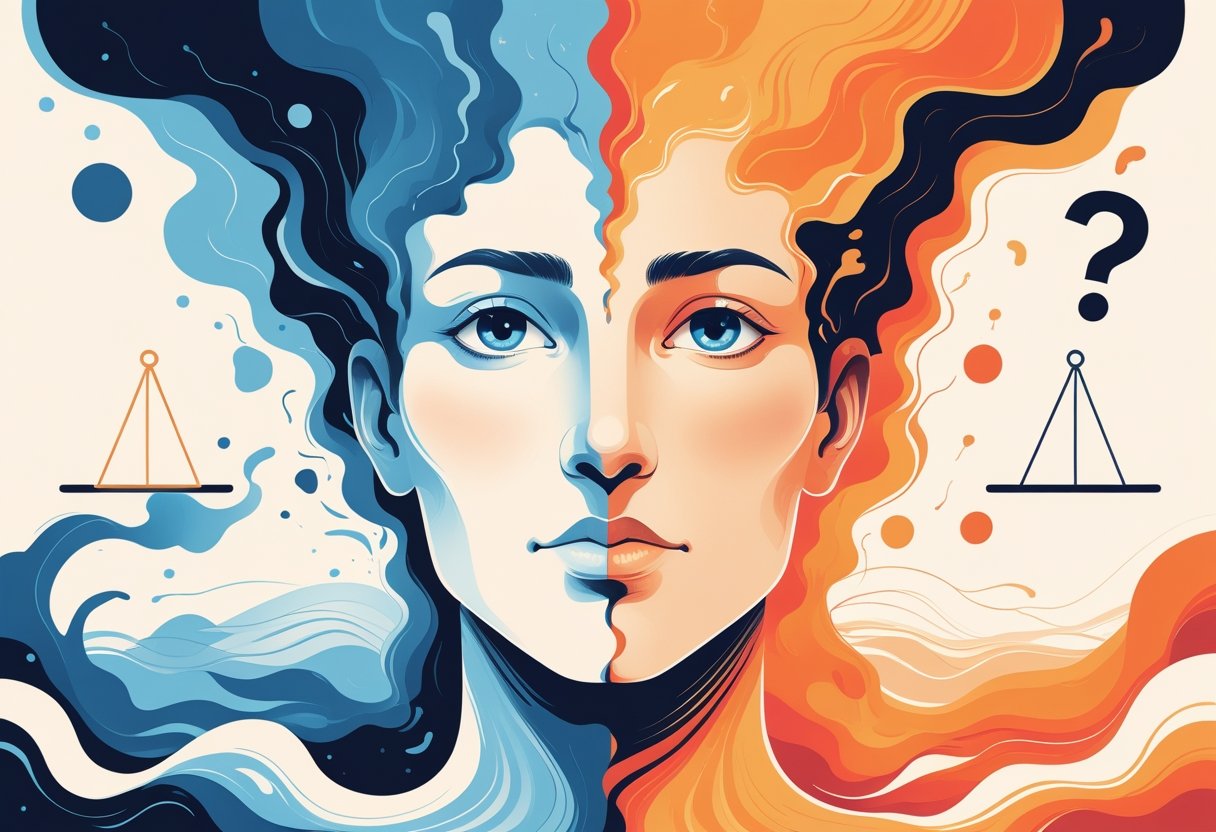
Mood instability can be confusing, especially when it manifests with sudden and unpredictable emotional shifts. Many individuals may wonder if these fluctuations are indicative of bipolar disorder. The truth is that while mood instability is a common symptom of bipolar disorder, it is not always a sign of this condition. Understanding the distinctions between mood swings related to everyday life and those that characterize bipolar disorder is crucial for accurate diagnosis and effective treatment.
In the context of mental health, mood instability can arise from various factors beyond bipolar disorder. Other mental health conditions, stress, or even lifestyle changes can contribute to these emotional shifts. Recognizing the nuances of your emotional experiences is essential in determining whether professional support is needed.
If you find yourself grappling with mood instability and its impact on your daily life, seeking guidance from a mental health professional can provide clarity and direction. At Tides Mental Health, you can explore tailored solutions that address your specific needs, whether through virtual sessions or in-person consultations based in the Chicago area.
Mood Instability: Definition and Key Characteristics
Understanding mood instability is crucial for distinguishing between various mental health issues, including bipolar disorder. This section explores the definition and characteristics of mood instability, highlighting its types, symptoms, and the nature of mood changes.
Types of Mood Instability
Mood instability can manifest in several forms. The most common types include:
- Rapid mood shifts: Sudden changes in emotion that can occur several times within a short period.
- Chronic instability: Persistent mood fluctuations experienced over an extended time, often affecting daily functioning.
- Inter-episodic instability: This occurs between the more significant mood episodes experienced in conditions like bipolar disorder.
These variations emphasize that mood instability is not limited to bipolar disorder. Individuals with anxiety, depression, or personality disorders also display similar mood changes. Recognizing these types can provide clarity in your mental health journey, allowing for better-targeted interventions.
Common Symptoms of Mood Instability
Symptoms of mood instability often include:
- Frequent mood swings: Shifting rapidly between emotions like joy, anger, or sadness.
- Unpredictable emotional responses: Displaying extreme reactions to everyday situations, leading to potential misunderstandings.
- Irritability: A heightened sense of frustration or anger that can be disproportionate to the situation at hand.
These symptoms can disrupt your personal and professional life. If you notice consistent patterns, considering therapeutic options may be beneficial. Counseling can provide you with techniques to manage these fluctuations effectively.
Duration and Frequency of Mood Changes
The duration and frequency of mood changes vary significantly among individuals experiencing mood instability. In some cases, mood episodes can last a few minutes to several hours, while others may face shifts that persist for days.
- Short-term fluctuations: These rapid changes may indicate a heightened sensitivity to environmental triggers.
- Long-lasting mood changes: In contrast, prolonged mood states often suggest deeper underlying issues, potentially linked to disorders such as anxiety or depression.
Monitoring the duration and frequency of your mood changes is essential for effective mental health management. If mood instability affects your quality of life, seeking help from professionals can provide insight and develop coping strategies tailored to your needs. Tides Mental Health offers support for individuals navigating these challenges, with both virtual and in-person options available in the Chicago area.
Bipolar Disorder and Mood Instability
Bipolar disorder is characterized by significant mood instability that affects a person’s daily life. Understanding the nature of mood episodes, including mania, hypomania, and depression, is essential for accurate diagnosis and management. The types of bipolar disorder provide further insight into the variations you may encounter, especially with rapid cycling episodes.
Mood Episodes in Bipolar Disorder
In bipolar disorder, mood episodes can manifest as extreme shifts in mood, energy, and activity levels. A typical episode can last from a few days to several weeks, significantly impacting one’s functioning.
- Manic Episodes: Marked by an elevated or irritable mood, manic episodes may include symptoms such as racing thoughts, decreased need for sleep, and increased goal-directed activities.
- Hypomanic Episodes: These are less severe than manic episodes, generally not impairing social functions but still noticeable to others.
- Major Depressive Episodes: These episodes are characterized by a persistent low mood, lack of energy, difficulty concentrating, and feelings of worthlessness.
Recognizing these episodes is crucial for managing bipolar symptoms effectively.
Mania, Hypomania, and Depressive Episodes
Mania typically includes heightened levels of euphoria and may result in risky behaviors. Symptoms include inflated self-esteem, reduced need for sleep, and talkativeness. Individuals might experience difficulty concentrating and engage in impulsive activities that can have harmful consequences.
In contrast, hypomania does not lead to severe impairment in daily life but still presents noticeable changes in mood and behavior. It can, however, escalate to mania if left unaddressed.
Depressive episodes present a stark contrast, with feelings of hopelessness, fatigue, and suicidal thoughts. It’s essential to address these fluctuations, as the risks associated with depression in bipolar disorder are significant.
Types of Bipolar Disorder: I, II, and Cyclothymia
Understanding the specific type of bipolar disorder is vital for targeting treatment strategies.
- Bipolar I Disorder involves at least one manic episode, often followed by depressive episodes. There may be periods of hypomania, but these are not required for diagnosis.
- Bipolar II Disorder is defined by at least one major depressive episode and one hypomanic episode, but lacks full-blown manic episodes. This distinction often leads to underdiagnosis since individuals may not recognize the seriousness of hypomania.
- Cyclothymic Disorder, or cyclothymia, involves numerous periods of hypomanic symptoms and depressive symptoms lasting for at least two years. These symptoms may not meet the criteria for a full depressive episode, making management more complex.
Differences Between Rapid Cycling and Typical Episodes
Rapid cycling refers to the occurrence of four or more mood episodes within a year. This can significantly affect the individual’s stability and quality of life.
Unlike typical episodes, which may last longer, rapid cycling can involve quickly shifting from mania to depression within weeks or even days. Individuals may experience the same symptoms of mania or depression but feel them more intensely.
Understanding the nature of rapid cycling is crucial, as it may require a different therapeutic approach, often blending various treatment modalities. If you experience these cycles, seeking professional support tailored to your needs can be invaluable.
For those seeking solutions to manage these symptoms effectively, consider reaching out for support through comprehensive mental health services that prioritize stability and well-being.
Mood Instability Beyond Bipolar Disorder
Mood instability can arise from various sources that are not solely related to bipolar disorder. Understanding these nuances is crucial for accurate diagnosis and effective treatment. Several mental health conditions and physiological factors may contribute to mood swings that resemble those found in bipolar disorder but originate from different causes.
Distinguishing Typical Mood Swings from Bipolar Disorder
Typical mood swings are often transient and may be tied to specific stressors or life events. For instance, feeling down after a breakup or anxious before a public speaking event isn’t unusual. In contrast, bipolar disorder involves more extreme mood changes that last longer, often requiring clinical intervention.
It’s important to consider the duration and severity of mood swings. Bipolar disorder may present with manic episodes lasting at least a week, accompanied by significant impairment in daily functioning. Typical swings, however, may last only a few hours to days and might not severely disrupt your life.
To categorize your experiences accurately, ask yourself:
- How long do the mood changes last?
- Are they tied to specific events or are they spontaneous?
- Do they impair your daily functioning?
Other Mental Health Conditions with Mood Instability
Several mental health conditions can lead to symptoms of mood instability. For example, anxiety disorders can cause fluctuating emotions that may feel overwhelming. Symptoms like irritability and anxiety can overlap with mood swings seen in bipolar disorder.
Post-traumatic stress disorder (PTSD) is another condition where mood instability is common. Individuals may experience sudden emotional highs and lows as they cope with traumatic memories.
Additionally, Attention Deficit Hyperactivity Disorder (ADHD) can lead to rapid mood changes due to impulsivity and emotional dysregulation. In these cases, addressing the underlying mental health condition can lead to improved emotional stability.
Physical Causes and Medical Conditions
Mood instability is not limited to psychological factors; it can also stem from physical causes. Thyroid issues, for instance, can cause mood fluctuations due to hormonal imbalances. Hyperthyroidism may lead to symptoms such as anxiety and irritability, while hypothyroidism is often associated with depressive episodes.
Chronic stress can also significantly impact your emotional well-being, leading to bouts of anxiety and mood changes. Identifying these physical triggers is vital for developing a comprehensive treatment plan.
If you find yourself struggling with mood instability, consider exploring these potential underlying causes, many of which can be addressed through professional support. Tides Mental Health offers various therapeutic options tailored to your needs, including virtual and in-person sessions in the Chicago area.
Diagnosing and Differentiating Mood Instability Disorders
Understanding mood instability is crucial for accurate diagnosis and effective treatment. The differentiation between mood disorders, including bipolar disorder, can significantly impact management strategies and therapeutic outcomes. This section explores the assessment processes, genetic factors, and when to seek professional help.
Assessment and Diagnostic Criteria
To diagnose mood instability disorders, mental health professionals utilize specific assessment tools and criteria. The Diagnostic and Statistical Manual of Mental Disorders (DSM-5) outlines symptoms for bipolar disorder and related mood disorders. Clinicians assess mood changes, frequency, and intensity of episodes.
Common criteria include:
- Rapid mood shifts: Can occur multiple times in a day.
- Duration of episodes: Distinguishing between short-term fluctuations and sustained mood disturbances.
- Behavioral changes: E.g., impulsivity or irritability that impacts daily functioning.
Your clinician may also request comprehensive self-reports and behavioral assessments to evaluate your experiences effectively. Accurate diagnosis helps in customizing treatment plans, ensuring you receive appropriate interventions for your specific condition.
Role of Genetics and Family History
Genetic predisposition plays a significant role in mood disorders. Research indicates that individuals with a family history of bipolar disorder are at a greater risk of developing similar conditions. It’s important to discuss any familial mental health conditions during assessments.
Family history elements to consider include:
- Immediate relatives: Parents or siblings with mood disorders.
- Severity and type: Not all mood disorders are equal in their genetic risk factors.
Understanding your genetics can assist mental health professionals in tailoring treatments. If mood instability is prevalent in your family, proactive measures can be implemented to monitor symptoms early, paving the way for timely interventions.
When to Seek Help from a Mental Health Professional
Recognizing the signs that you need help is vital. If you experience persistent mood fluctuations that disrupt your daily life, consulting a mental health professional is advisable. Signs include:
- Inability to function: Struggling at work or in relationships due to mood instability.
- Suicidal thoughts: Experiencing thoughts of self-harm or severe despair.
You should reach out for support if these challenges arise. Tides Mental Health offers tailored therapy solutions, including virtual and in-person options in the Chicago area. Seeking help early can facilitate better management of your mood conditions, improving your quality of life.
Management and Treatment of Mood Instability
Effectively managing mood instability involves understanding its underlying causes and implementing a tailored treatment plan. This plan may include various approaches depending on whether the instability relates to bipolar disorder or other conditions. By leveraging professional support, medication, and lifestyle adjustments, you can achieve greater emotional balance.
Treatment Approaches for Bipolar Disorder
For individuals diagnosed with bipolar disorder, treatment typically revolves around a combination of medication and therapy. Common medications include mood stabilizers, antipsychotics, and antidepressants. Every patient’s response to medication varies, so it may take time to find the optimal combination.
Psychotherapy is another crucial component. Cognitive Behavioral Therapy (CBT) is often effective in helping you cope with the challenges of mood swings by identifying and changing negative thought patterns. Engaging with a licensed professional can also provide you with the tools to address bipolar symptoms and manage stress effectively, ensuring a more stable emotional state.
Managing Mood Instability in Other Conditions
Mood instability can also occur in conditions outside of bipolar disorder, such as anxiety disorders and personality disorders. Treatment for these conditions may focus on psychotherapy tailored to your specific experiences. For example, Dialectical Behavior Therapy (DBT) is particularly helpful in managing emotional dysregulation.
Medications such as selective serotonin reuptake inhibitors (SSRIs) or benzodiazepines might be employed based on your unique symptoms. It’s essential to monitor any changes and work with your healthcare provider to adjust your treatment plan. This continuous collaboration allows for the management of overlapping mental health issues and promotes overall well-being.
Lifestyle and Support Strategies
Integrating lifestyle changes can significantly enhance your stability. Engaging in regular physical activity, maintaining a balanced diet, and practicing mindfulness techniques such as meditation can all contribute to improved emotional health. Ensuring adequate sleep is crucial, as lack of rest can exacerbate mood instability.
Support systems also play a vital role. Establishing strong relationships with friends and family helps create a buffer against stress. Participating in support groups can provide you with shared experiences and coping strategies. If you seek personalized mental health support, consider connecting with Tides Mental Health for tailored therapy solutions in the Chicago area, available in both virtual and in-person formats.
Frequently Asked Questions
Mood instability can manifest in various ways, and it’s important to understand its characteristics and underlying causes. The following details will help clarify what distinguishes bipolar disorder from other conditions that may present similar symptoms.
What characterizes bipolar disorder mood swings?
Bipolar disorder is marked by significant mood swings that include episodes of mania and depression. During a manic phase, you may experience elevated mood, increased energy, and impulsive behavior. In contrast, depressive episodes are characterized by feelings of sadness, hopelessness, and fatigue. These mood swings are usually more intense and persistent than typical mood fluctuations.
What are the causes of mood swings in individuals without bipolar disorder?
Mood swings in individuals without bipolar disorder may arise from various factors, including stressors, hormonal changes, and lifestyle habits. Situational triggers, such as significant life events or relationship issues, can lead to temporary emotional fluctuations. Additionally, conditions like anxiety and depression can also contribute to mood instability without being linked to bipolar disorder.
How can you differentiate between typical mood swings and those associated with bipolar disorder?
To differentiate typical mood swings from those associated with bipolar disorder, consider the duration and intensity of the episodes. Mood swings related to bipolar disorder tend to last longer—often days to weeks—and can disrupt daily functioning. In contrast, typical mood swings are often shorter, lasting from a few hours to a couple of days, and are more closely tied to specific events.
Are rapid mood swings within a day indicative of bipolar disorder?
Rapid mood swings occurring within a single day, known as “rapid cycling,” can be a symptom of bipolar disorder but are not exclusive to it. While some individuals with bipolar disorder may experience multiple mood changes within a single day, others might have longer intervals between shifts. If you notice frequent and significant fluctuations in your mood, it may be helpful to seek a professional evaluation.
What is the duration of mood swings for individuals with bipolar disorder?
In bipolar disorder, the duration of mood swings varies based on the type of episode. Manic episodes generally last for at least a week, while depressive episodes can continue for several weeks or longer. It’s essential to monitor these durations, as they can significantly impact your daily life, relationships, and overall well-being.
Can mood instability be a symptom of a condition other than bipolar disorder?
Yes, mood instability can be symptomatic of several other conditions beyond bipolar disorder. Disorders such as borderline personality disorder and certain anxiety disorders also feature mood swings. Additionally, medical conditions, hormonal imbalances, and substance use can contribute to emotional instability. Recognizing the broader context of mood changes is crucial for accurate diagnosis and effective treatment.