
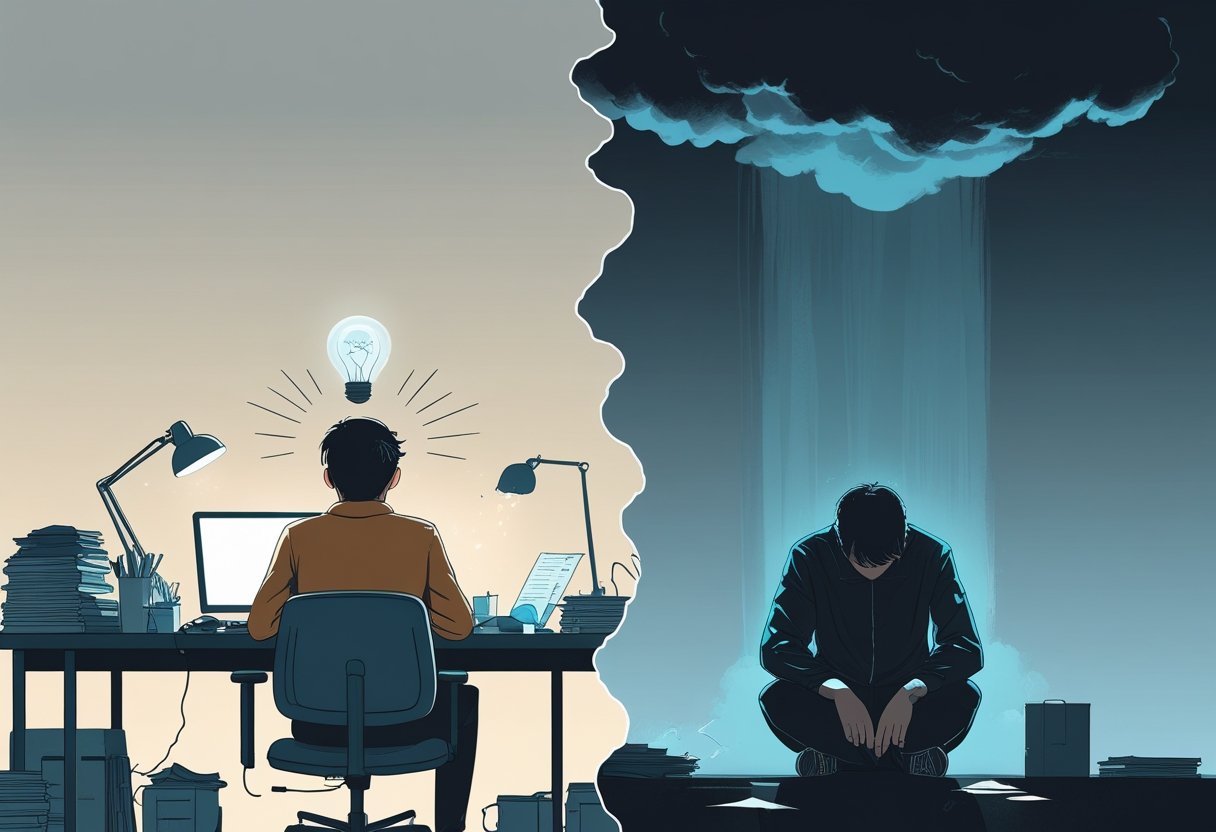
When you find yourself feeling exhausted, detached, or overwhelmed, it’s easy to wonder whether you’re experiencing burnout or depression. While these two conditions share similar symptoms, they are not the same. Burnout is often related to work stress and can improve with time off or lifestyle changes, whereas depression is a more pervasive mental health condition that may require professional support.
Understanding the difference is crucial for your mental health and well-being. Recognizing whether your feelings stem from burnout or a deeper depressive state can help you seek the right kind of help. If you’re grappling with these emotions, Tides Mental Health offers resources, including therapy options in the Chicago area, to guide you through your journey towards healing and clarity.
By exploring the distinctions between burnout and depression, you can take more informed steps toward recovery. This article will outline key differences, common symptoms, and when to seek professional support, empowering you to prioritize your mental health effectively.
Understanding Burnout and Depression
Burnout and depression are both significant issues affecting mental health, yet they are distinct conditions. Recognizing their characteristics is vital for effective support and treatment. Here’s a closer look at each condition and how they overlap.
What Is Burnout?
Burnout is a state of emotional, physical, and mental exhaustion caused primarily by prolonged and intense stress, often linked to your job or caregiving responsibilities. Symptoms include chronic fatigue, detachment from work, and feelings of ineffectiveness. You may experience a lack of motivation and find it challenging to concentrate.
Key factors often contributing to burnout include:
- High workload
- Lack of control over work-related decisions
- Insufficient support from colleagues or supervisors
The ups and downs of daily life can amplify feelings of burnout, making recovery essential for maintaining behavioral health. Addressing burnout requires interventions such as work-life balance strategies, regular breaks, and, if needed, professional counseling.
What Is Depression?
Depression, clinically known as a major depressive disorder, is a mood disorder characterized by prolonged periods of sadness, inactivity, and a loss of interest in activities once enjoyed. It affects your thoughts, feelings, and behaviors, leading to emotional and physical problems.
Symptoms can include:
- Persistent sadness
- Changes in appetite or weight
- Sleep disturbances
In contrast to burnout, depression can occur without specific external stressors and may affect various aspects of your life. It requires targeted treatment, often involving therapy and medication, to restore emotional balance. If you find yourself struggling with depression, seeking help from professionals like Tides Mental Health can provide essential support.
Overlap and Distinctions
While burnout and depression share some overlapping symptoms, such as fatigue and emotional numbness, they have distinct origins and impacts. Burnout is typically situational and linked to specific stressors, particularly in work environments, whereas depression can be a clinical mood disorder that permeates various life aspects.
Recognizing the signs of each condition is crucial. For instance, if your stress stems from work and you feel drained specifically in that environment, you may be experiencing burnout. On the other hand, if you feel persistently sad regardless of your work situation, it is more likely to be depression.
Understanding these nuances helps in seeking the right intervention. Connecting with a qualified therapist can help navigate the path to recovery, whether you are facing burnout, depression, or both.
Key Differences Between Burnout and Depression
Burnout and depression can appear similar, but they stem from distinct causes and manifest in different ways. Recognizing these differences is essential for addressing the specific challenges you face. The following subtopics outline the key differentiators regarding causes, symptoms, and impacts on daily life.
Causes and Risk Factors
Burnout often arises from specific stressors in the workplace, such as long hours, overwhelming responsibilities, or a lack of support. Caregiving responsibilities can also contribute, especially when combined with work pressures. In contrast, depression does not always have a clear external trigger; it may develop due to genetic, biological, or environmental factors.
Self-diagnosis can be misleading, leading you to confuse the two conditions. While perfectionism and high job expectations can increase the likelihood of burnout, conditions like anxiety or a family history of depression may predispose someone to clinical depression. Identifying the root cause is critical for effective treatment.
Emotional and Physical Symptoms
Emotional exhaustion is a hallmark of both burnout and depression, but the experiences differ significantly. Burnout typically involves feelings of detachment and irritability focused on the work environment. You might feel unmotivated at your job, yet your mood in other areas of life remains relatively stable.
Depression, on the other hand, can lead to pervasive feelings of hopelessness and worthlessness that affect all aspects of your life. Physical symptoms, such as fatigue and changes in sleep patterns, are also more pronounced in depression. Understanding these emotional and physical symptoms helps distinguish between the two conditions.
How Each Condition Responds to Rest
Rest plays a different role in recovery for burnout and depression. If you experience burnout, taking a break from work, seeking social support, or engaging in leisure activities can often alleviate symptoms. This recovery is typically linked to reducing workplace stress and balancing your responsibilities.
For depression, simply resting may not suffice. You might find that even extended periods of rest do not improve your mood. In many cases, professional therapy or medication is needed to help you address the underlying issues and improve emotional well-being. Recognizing how rest affects you can guide your approach to tackling either condition.
Workplace Stress Versus Daily Life Impact
Burnout is primarily associated with your work environment. You may feel overwhelmed by job demands, leading to withdrawal from professional responsibilities. This can create a cycle of stress that spills into your personal life, but the triggers remain work-related.
In contrast, depression affects daily life more broadly. It can impact relationships, hobbies, and your overall quality of life. Feelings of worthlessness or chronic fatigue can make even simple tasks seem insurmountable. Understanding how workplace stress varies from the more pervasive impact of depression is crucial for determining the right path forward for your mental health.
Recognizing Signs and Symptoms
Recognizing the signs and symptoms of burnout and depression is crucial for identifying the right support strategies. Both conditions can manifest through various emotional and physical symptoms, making it challenging for you to discern between them.
Burnout Symptoms Explained
Burnout often arises from prolonged stress related to work or caregiving. Key symptoms include emotional exhaustion, where you may feel drained and unable to cope. Cynicism or a detached attitude towards your responsibilities can develop, leading to irritability. Another critical sign is a lack of motivation; everyday tasks may feel overwhelming. You may also notice changes in your sleep patterns and experience persistent fatigue that doesn’t improve with rest. Physical symptoms like headaches or gastrointestinal issues can also surface, exacerbating your overall sense of distress. Awareness of these signs can lead to timely interventions that improve your mental health and well-being.
Symptoms of Depression
Depression is a clinical mental health condition that impacts more than just your mood. Symptoms include a depressed mood that may feel persistent and overwhelming. You might experience loss of interest in activities you once enjoyed, which significantly affects your daily life. Other signs include changes in appetite, leading to weight loss or gain. Feelings of worthlessness or excessive guilt can arise, further contributing to your emotional turmoil. You might also struggle with difficulty concentrating, affecting your work and relationships. In severe cases, thoughts of death, including suicidal thoughts, can emerge, requiring immediate professional support. Recognizing these symptoms is essential for seeking help.
Shared Warning Signs
Both burnout and depression share similar warning signs, complicating the diagnostic process. Emotional numbness can occur, making it hard for you to feel joy or excitement. Difficulty concentrating is another overlapping symptom; whether from burnout or depression, this can hinder your productivity. Additionally, feelings of social withdrawal may be present in both conditions. As motivation wanes, you might isolate yourself, avoiding social interactions and responsibilities. Physical symptoms, such as chronic fatigue, are prevalent in both burnout and depression. Being aware of these shared signs aids in understanding your emotional state and determining the appropriate course for treatment.
When Symptoms Overlap
When symptoms overlap, the distinction between burnout and depression becomes murky. For instance, anxiety can accompany both, manifesting as restlessness or tension. Self-harm or thoughts of suicide are critical signs that may occur in severe cases of either condition, emphasizing the need for urgent care. You might also experience irritability and mood swings that can alter your relationships and work life. Understanding that these symptoms can manifest from either condition and recognizing the context can help clarify your feelings. Seeking guidance from mental health professionals, like those at Tides Mental Health, can provide the tailored support you need to address these overlapping issues effectively.
Progression: Can Burnout Lead to Depression?
Understanding the progression from burnout to depression is crucial for recognizing signs and seeking timely support. Both conditions may share symptoms but manifest differently. Identifying how emotional exhaustion can evolve into clinical depression helps you navigate mental health challenges effectively.
How Burnout Transitions to Depression
Burnout is commonly linked to prolonged stress, particularly in work or caregiving environments. When you experience emotional exhaustion, it can result in a state where you feel drained and disengaged. If this state is not addressed, it can intensify and lead to a depressive episode. The primary distinction lies in the context; burnout typically stems from specific stressors, while depression may affect various aspects of your life. As stress accumulates without relief, feelings of hopelessness can emerge, marking the shift from burnout symptoms to clinical depression.
Identifying Early Warning Signs
Recognizing early signs can be vital in preventing burnout from evolving into depression. Symptoms such as persistent fatigue, irritability, and detachment serve as critical indicators. You might start noticing a lack of motivation or interest in activities that once brought you joy. Additionally, physical symptoms like headaches, sleep disturbance, and digestive issues may arise. Monitoring these changes is essential, as they can signify an escalation in emotional distress. Feeling overwhelmed by responsibilities is another indicator urging you to seek support before your situation worsens.
Risk Factors for Escalation
Several factors can increase the likelihood of burnout escalating to depression. Prolonged exposure to high-stress environments, lack of support, and insufficient coping mechanisms are significant contributors. If you have a history of mental health conditions or experience multiple stressors, your risk may heighten. It’s also crucial to consider personality traits; those with perfectionist tendencies may be more susceptible. Recognizing these risk factors allows you to take proactive steps toward support and self-care. Seeking professional help can provide you with effective strategies to manage stress and prevent further decline in your mental health, including discovering options through Tides Mental Health to address these challenges.
Diagnosis and Professional Support
When navigating the complexities of burnout and depression, seeking professional support is crucial. A proper assessment can clarify your symptoms and lead you towards the most effective treatment options tailored to your needs.
Importance of a Professional Assessment
Getting a professional assessment is essential to differentiate between burnout and depression. Mental health professionals, such as therapists and psychologists, use established criteria to evaluate your symptoms comprehensively. They consider factors like your emotional state, work-life balance, and life stressors. A thorough assessment often involves structured interviews and standardized questionnaires, ensuring nothing is overlooked. This diagnosis informs the treatment plan, which may include psychotherapy, cognitive-behavioral therapy (CBT), or other therapeutic methods tailored to your needs. Ignoring professional guidance could result in mismanagement and prolong your suffering.
Working With Mental Health Professionals
Collaborating with mental health professionals ensures you receive proper support. Qualified therapists have expertise in addressing burnout and depression, guiding you through varying treatment options. They can provide a safe space that encourages openness and honesty, essential for effective therapy. Depending on your needs, therapy may involve strategies to manage stress, rebuild motivation, or address underlying issues contributing to your condition.
Utilizing a combination of in-person and virtual sessions can be beneficial. Many professionals, including those at Tides Mental Health, offer flexible options, making it easier for you to seek help from the comfort of your home or in-person in the Chicago area. Engaging regularly with a therapist can build a strong support system and give you the tools needed to navigate these challenges.
Role of Self-Diagnosis
While it’s helpful to be aware of your feelings and symptoms, self-diagnosis can be misleading and may hinder your healing process. Recognizing signs of burnout and depression is essential, but only a trained professional can provide an accurate diagnosis. Self-diagnosis often relies on internet research or anecdotal evidence, which can lead to misunderstandings of your condition.
Instead of relying solely on personal observation, consider documenting your symptoms to share with your mental health professional. This approach enriches their understanding and allows for a more nuanced assessment. You should remain open to various diagnoses or therapeutic options that a professional may recommend. This collaborative process paves the way for effective treatment tailored to your unique situation.
Treatment and Prevention Strategies
Addressing burnout and depression requires a multifaceted approach that incorporates various therapies, medication options, and lifestyle adjustments. Understanding these elements can help you make informed decisions about your mental health.
Therapies for Burnout and Depression
Therapeutic approaches play a crucial role in managing both burnout and depression. Cognitive Behavioral Therapy (CBT) is often effective for both conditions, as it helps you identify and change negative thought patterns. Mindfulness-based therapies, including mindfulness meditation, encourage you to focus on the present moment, reducing anxiety and stress.
Counseling provides a safe space for discussing work-related stressors and emotional health. At Tides Mental Health, you can access both in-person and virtual therapy sessions tailored to your specific needs and circumstances.
Family or couples counseling can also be beneficial. Involving loved ones in your treatment can ensure you have the support system necessary for recovery.
Medication Options
Medication can be an important component, particularly for persistent depression. Antidepressants, especially Selective Serotonin Reuptake Inhibitors (SSRIs), are commonly prescribed to help restore chemical balance in the brain. Some popular SSRIs include sertraline and fluoxetine.
These medications may help alleviate symptoms of both conditions, allowing you to engage more fully in therapeutic processes. Always consult a healthcare provider to determine the right medication for your unique situation and monitor potential side effects carefully.
Lifestyle Changes and Self-Care
Incorporating lifestyle changes can significantly impact your recovery from burnout and depression. Regular physical activity, such as brisk walking or yoga, can boost endorphins and improve your mood. Nutritional choices also matter; consuming a balanced diet rich in omega-3 fatty acids can enhance brain function.
Self-care practices are essential. Allocate time for activities that you enjoy and find relaxing, whether that’s reading, gardening, or spending time with friends. Establishing a daily routine that includes relaxation techniques can enhance mental well-being.
Setting Boundaries and Work-Life Balance
Setting boundaries is crucial in preventing burnout. Clearly define work hours and make an effort to disconnect after those hours. Communicate your limits with colleagues and supervisors to help manage expectations.
Work-life balance is not just about time management; it’s about prioritizing what matters most to you. This might include engaging in hobbies, spending time with family, or even seeking professional help when needed. By making your well-being a priority, you set the stage for a healthier relationship with work and can better manage stressors.
Taking steps to address burnout and depression can lead to more fulfilling and balanced lives. If you’re seeking tailored support, consider reaching out to Tides Mental Health for both in-person and virtual sessions that fit your needs.
Frequently Asked Questions
Understanding the differences between burnout and depression can be challenging. The following questions address critical distinctions, treatment approaches, and warning signs that can help in identifying these conditions.
What are the distinctions between symptoms of burnout and depression?
Burnout primarily manifests as emotional, physical, and mental exhaustion linked to work or specific situations. Symptoms often include feelings of detachment, cynicism, and frustration. In contrast, depression encompasses a wider range of emotional states, including persistent sadness, hopelessness, and a lack of interest or pleasure in activities. While both may involve fatigue, depression often affects a person’s overall life functioning beyond work contexts.
Can burnout lead to major depressive disorder if left untreated?
Yes, untreated burnout can escalate to major depressive disorder. The chronic stress and emotional depletion associated with burnout may diminish coping resources, making you more susceptible to depression. If feelings of burnout persist without intervention, the risk of developing a more severe depressive condition increases.
How do treatment approaches differ for burnout versus depression?
Approaches for treating burnout typically focus on lifestyle changes, such as improving work-life balance and incorporating self-care practices. In contrast, treating depression often involves therapy, medication, or a combination of both. While both conditions may benefit from counseling, depression might require more comprehensive medical treatment. If you are experiencing symptoms, support from a professional like Tides Mental Health can be beneficial.
What are the early warning signs of burnout in contrast to depression?
Early warning signs of burnout often include chronic fatigue, irritability, and reduced productivity in a work context. You might notice a sense of detachment from your workplace or feel overwhelmed by responsibilities. Conversely, warning signs of depression may include persistent sadness, changes in appetite or sleep patterns, and withdrawal from social activities. Identifying these signs early can lead to more effective management.
How can one differentiate between workplace stress and clinical depression?
Workplace stress typically arises from specific pressures related to your job and may improve with time off or lifestyle adjustments. Clinical depression, however, often persists regardless of your work situation and affects diverse areas of your life. Symptoms of clinical depression can manifest in various settings, not just in the workplace, making it essential to recognize this distinction.
In what ways can prolonged stress contribute to the development of depressive symptoms?
Prolonged stress can deplete your emotional and physical resources, leading to a heightened risk of developing depressive symptoms. As stress continues, it can create a cycle of hopelessness, reducing your ability to cope effectively. Chronic stress may also interfere with sleep quality and cognitive function, further exacerbating feelings of sadness and despair.