
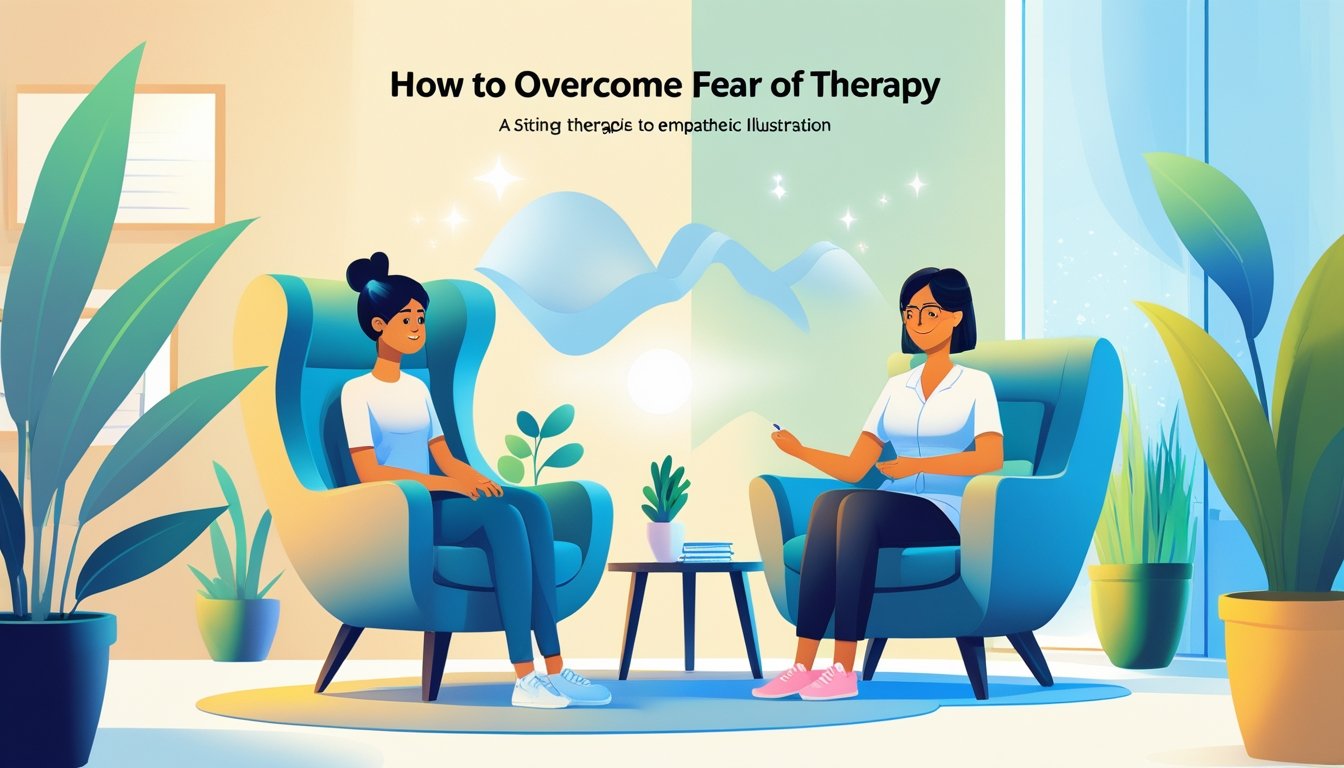
Feeling nervous about starting therapy is normal. You can move past it with small, clear steps.
You can ease your fear by learning what to expect and choosing a therapist who fits your needs. Starting with short, doable sessions — including virtual options through Tides Mental Health or in-person care in Chicago — can also help.
You will learn why the fear shows up and how to name your specific worries. You’ll also discover how to prepare your mind so sessions feel safer.
The article will guide you on finding the right therapist for anxiety, depression, life changes, or couples and family work. It will also show you how to build coping skills as you go.
Understanding the Fear of Therapy
Many people worry about what will happen in sessions, how much it will cost, and whether a therapist will understand them. These worries often come from past experiences, stories from others, or not knowing how therapy works.
Common Reasons People Fear Therapy
You might fear judgment, feeling exposed, or being misunderstood. Talking about private thoughts can feel risky.
You may worry a therapist will blame you or tell you what to do instead of listening. Practical concerns add to the fear.
You might worry about cost, time, or finding a therapist who takes your insurance. If you live near Chicago, you can choose in-person care; otherwise, many people use virtual sessions.
Tides Mental Health offers both virtual and Chicago-area in-person options to fit your needs. Past experiences also shape fear.
If you had a bad talk with a counselor or felt dismissed by a family member, you may expect the same from therapy. That expectation makes it harder to take the first step.
Misconceptions Surrounding Therapy
You might think therapy is only for severe problems or that it means you are weak. Both ideas are wrong.
Therapy helps with anxiety, depression, relationship issues, and life transitions—common challenges many adults face. Some people expect a therapist to give direct advice or quick fixes.
In reality, therapists help you understand patterns and try skills that work for you. They collaborate with you rather than tell you what to do.
Others fear losing control or being forced to relive trauma. Therapists follow ethical rules and move at your pace.
If you choose Tides Mental Health, your clinician will explain methods and safety steps before you begin.
Recognizing Personal Barriers
Look inside to find what holds you back. You may avoid therapy because you fear change or because you doubt it will help.
Notice specific thoughts like “I’ll be judged” or “I can handle this on my own.” Practical barriers also matter.
Check your schedule, childcare needs, and whether you prefer virtual or in-person sessions. Tides Mental Health offers mostly virtual care (about 60–70% virtual) and Chicago-area in-person sessions (about 30–40%), which can ease scheduling and travel concerns.
Think about trust. You may need a few tries to find a therapist you click with.
That is normal. You can ask for a short consultation or request a different clinician if it doesn’t feel right.
Identifying Your Specific Fears
You may worry about being judged, about who will see what you share, or about feeling overwhelmed when you open up. Pinpointing the exact worry helps you choose steps that actually reduce your fear.
Fear of Judgment
You might fear that the therapist will view you as weak, unstable, or a “bad” partner or parent. That fear often comes from past criticism or from comparing yourself to others.
Tell the therapist what you fear being judged for—specific behaviors, mistakes, or thoughts. When you name the worry, the therapist can respond directly and show how therapy is a nonjudgmental space.
Ask about the therapist’s training in anxiety, depression, or couples work so you know they understand your issues. If you prefer, request a therapist who does mostly virtual sessions; Tides Mental Health offers both virtual and Chicago-area in-person options so you can start where you feel safest.
Worry About Confidentiality
You may fear that what you say will be shared with family, your employer, or on insurance records. Therapists follow legal and ethical rules about confidentiality, but limits exist—like danger to self/others or court orders.
Ask for a clear explanation of those limits before you begin. Request how records are stored and who can access them.
If you want extra privacy, choose virtual sessions with a secure platform and ask about minimal record-keeping. Tides Mental Health can explain its privacy policies and the steps it takes to protect your information.
Concerns Over Emotional Discomfort
You may worry that therapy will make you relive painful memories or feel worse before you feel better. That can happen, but therapists use paced approaches like CBT and exposure in small steps to reduce overwhelm.
Tell the therapist which topics feel too intense right now. Agree on a plan that starts with safety skills—breathing, grounding, or short sessions—before deeper work.
You can choose mostly virtual sessions to pause easily if feelings spike, or meet in person in Chicago when you feel ready. Tides Mental Health offers paced plans that match your comfort level.
Preparing Mentally for Therapy
You can take a few clear steps to make therapy feel safer and more useful. Plan what you want to work on, expect some discomfort, and be kind to yourself as you try new ways of coping.
Setting Realistic Expectations
Start by naming one or two concrete goals you want from therapy, such as reducing panic attacks, improving sleep, or improving communication with a partner. Goals help you and your therapist choose techniques and measure progress.
Expect some slow progress; symptom relief often comes in weeks to months, not days. Know that therapy sessions will include talking, reflection, and homework or practice between sessions.
You might remember or feel worse briefly as you process things. That reaction can be part of healing, not a sign therapy failed.
Plan session logistics ahead: whether you choose virtual or in-person in Chicago, confirm appointment length, fees, and cancellation rules. If you prefer Tides Mental Health, specify virtual or local in-person options when you book.
Accepting Vulnerability
Admitting struggles to a stranger feels risky. Remind yourself that vulnerability is a skill you can build, not a permanent weakness.
Start with small disclosures: describe symptoms, daily habits, or a recent conflict before moving to deeper memories. Set boundaries for what you’ll share at each step.
Tell your therapist if a topic feels too intense so you can slow down. Therapists at Tides Mental Health will respect those limits while gently encouraging growth.
Use physical cues to ground yourself in session—deep breaths, a glass of water, or a short break. These small actions help you stay present when strong feelings arise.
Building Self-Compassion
Talk to yourself the way you would a friend. Replace self-criticism with specific statements like, “I did my best today,” or “I’m learning how to cope.”
Practice this after sessions as feelings come up. Create a short list of self-soothing actions to use between sessions: a 10-minute walk, journaling one sentence about progress, or calling a supportive friend.
Track one small win each week, such as attending a session or trying a suggested coping skill. If you feel stuck, reach out to Tides Mental Health for support options.
They offer mostly virtual care and in-person appointments in Chicago to match your needs and comfort level.
Choosing the Right Therapist
Finding someone who matches your needs, communicates clearly, and fits your schedule can reduce anxiety about starting therapy. Think about the therapy style you prefer, check credentials, and look for a therapist with experience in the issues you face.
Researching Therapeutic Approaches
Different therapy methods suit different problems. If you struggle with anxiety or panic, look for therapists trained in Cognitive Behavioral Therapy (CBT) or exposure-based work.
For depression, approaches like CBT, behavioral activation, or interpersonal therapy often help. If you want help with relationships or family conflict, search for someone who uses Emotionally Focused Therapy (EFT) or systemic family therapy.
Ask therapists how they structure sessions, how long treatment typically lasts, and what goals they set early on. Request examples of techniques they use in the first few sessions.
This helps you picture what therapy will feel like and reduces fear about the unknown. Many therapists offer virtual sessions.
If you prefer in-person care in Chicago, confirm that option. Tides Mental Health provides both virtual and Chicago-based in-person care, and can match you with therapists experienced in anxiety, depression, life transitions, or couples and family work.
Evaluating Therapist Credentials
Check professional credentials to ensure safe, ethical care. Look for licensed titles such as LCSW, LPC, LMFT, or psychologist (PhD/PsyD).
Licensing means the therapist met education, supervised hours, and exam requirements. Verify their license through your state licensing board if you want extra assurance.
Ask about specialized training and years of experience treating your issue. Inquire whether they have supervised experience with couples, families, or trauma when that applies to you.
Also confirm insurance acceptance, sliding scale options, and cancellation policies so finances don’t become a barrier. Tides Mental Health lists clinician credentials, specialties, and licensure status.
You can review these details before booking to feel confident your therapist meets professional standards.
Finding a Comfortable Fit
Comfort matters more than matching a title. During a brief intake call or first session, notice whether the therapist listens without judgment, explains things clearly, and invites your input.
You should feel safe describing symptoms, goals, and past treatment experiences. Consider practical fit too.
Ask about session length, frequency, and whether they offer mostly virtual appointments (common) or in-person Chicago sessions. Confirm how they handle crises and communication between sessions.
If the first therapist doesn’t feel right, you can switch—finding the right fit is part of the process. Tides Mental Health offers initial consultations to help you test comfort and logistics before committing.
Use that meeting to assess empathy, style, and whether their plan matches your goals.
Taking the First Steps Toward Therapy
You will learn how to make first contact, what to expect at the first consultation, and how to review your early feelings and progress. These steps focus on practical actions you can take right now.
Initiating Contact with a Therapist
Start by deciding whether you want virtual or in-person sessions. Tides Mental Health offers mostly virtual sessions (about 60–70%) and in-person options in the Chicago area (about 30–40%).
Choose a mode that fits your schedule, comfort, and travel ability. Prepare a short list of what you want help with—anxiety, depression, relationship issues, or a life transition.
Note any past therapy, medications, or health conditions. This makes your first message clear and efficient.
When you reach out, use the clinic’s intake form, phone line, or secure email. Ask about therapist specialties, session length and cost, insurance or sliding-scale options, and cancellation policies.
Request a brief phone or video introduction if that helps reduce anxiety.
Attending an Initial Consultation
Expect the first meeting to last 45–60 minutes. The clinician will ask about your current concerns, history, and goals.
You can bring notes or a short list of questions to keep the session focused. The therapist will explain confidentiality, records, and limits to privacy.
They will describe their approach—CBT, couples work, or other methods—and how often they recommend meeting. If anything feels unclear, ask for examples of typical exercises or homework.
You do not need to commit after the first session. Use it to judge fit: Do you feel heard?
Is the therapist practical and clear? If not, say so or ask to try another clinician within Tides Mental Health.
Reflecting on Early Experiences
After one to three sessions, take time to reflect. Write down what felt helpful and what felt uncomfortable.
Track small changes in mood, sleep, or how you handle stress to see measurable progress.
If you notice no benefit after several sessions, bring this up with your therapist. They can adjust the plan, try different techniques, or recommend a different therapist at Tides Mental Health who better matches your needs.
Trust your judgment. Early therapy often focuses on building safety and routine.
Small, steady steps usually lead to clearer goals and better outcomes.
Coping Strategies for Ongoing Anxiety
You can learn specific skills that lower anxiety between sessions and make therapy feel less scary. Use short, repeatable practices, trusted people, and small goals to build steady progress.
Practicing Mindfulness Techniques
Start with simple breathing you can use anywhere. Try box breathing: inhale for 4 seconds, hold for 4, exhale 4, hold 4.
Repeat three to five times to slow your heart rate and steady your thoughts.
Use a 5‑4‑3‑2‑1 grounding exercise when panic rises. Name 5 things you see, 4 you can touch, 3 you hear, 2 you smell, and 1 you taste.
This brings your attention out of worry and into the present moment.
Set aside 5–10 minutes daily for a guided body scan or mindful walk. Track what helps in a notebook — time of day, place, and how you felt after.
That record shows patterns you can bring to therapy at Tides Mental Health.
Utilizing Support Networks
Tell one or two people you trust about your therapy fears. Give them a short script to use if you’re anxious before a session, like “You did the right thing. I’m here.”
This reduces shame and gives you an instant calming cue.
Use peer groups or a therapist’s support check‑ins for accountability. If you’re in Chicago, consider occasional in‑person meetings at Tides Mental Health; otherwise use virtual check‑ins.
Let friends know clear boundaries: when you want advice and when you just need someone to listen.
Keep a list of emergency contacts and coping reminders on your phone. Save a therapist’s quick breathing guide or your favorite grounding exercise so you can access it during a moment of high anxiety.
Setting Manageable Goals
Break therapy into small steps you can complete. Start with a 15‑minute intake call, then one short session, then a full session.
Mark each step as done. Small wins reduce dread and build confidence.
Make session goals specific and measurable. Instead of “get better,” aim for “talk about two worries in session” or “practice one coping skill before next meeting.”
Bring these goals to Tides Mental Health so your therapist can tailor support.
Track progress weekly. Use a simple chart with date, goal, outcome, and one note.
Reviewing it shows real change and helps you adjust goals without overwhelming yourself.
Building Resilience Throughout the Process
You will learn ways to notice small wins and handle setbacks so therapy feels doable.
These strategies help you stay steady through anxiety, depression, life changes, or relationship work.
Celebrating Progress
Track concrete wins after each session. Write down one idea, skill, or insight you used during the week.
Small notes—like “used breathing for panic” or “told partner one feeling”—show real change over time.
Set short, specific goals you can meet in a week or two. Examples: practice a grounding exercise three times, try one assertive phrase with a coworker, or complete a thought record after a stressful moment.
Meeting those goals builds confidence.
Use both virtual and in-person check-ins. If you see a Tides Mental Health therapist virtually, note the coping tool you practiced between sessions.
If you attend in-person care in Chicago, bring your progress notes to discuss how skills fit daily life.
Reward progress in simple ways. Give yourself a brief treat—five extra minutes of a hobby, a walk, or a phone call with a friend.
These small rewards reinforce the habit of showing up.
Adapting to Setbacks
Expect setbacks and plan a clear next step for each one. If anxiety spikes and you skip a session, schedule another within a week and tell your therapist what happened.
Making a prompt plan prevents avoidance from becoming a pattern.
Name what triggered the setback in plain terms. Was it a shutdown during couples work, sleep loss that raised depression, or a job change that increased stress?
Identifying the cause helps your therapist tailor tools like CBT techniques, emotion regulation, or problem-solving.
Use layered supports when needed. Combine session work with daily practices: brief mindfulness, a mood log, or a 10-minute skill review.
If you need more frequent contact, ask about extra virtual check-ins with Tides Mental Health or an in-person option if you are in Chicago.
Keep measuring effort, not perfection. Count attempts to use skills as success.
Each attempt teaches you what to change, so adjust goals, practice differently, and try again.
Long-Term Benefits of Overcoming Therapy Fears
When you get past the fear of therapy, you gain steady tools to manage anxiety and depression.
You learn skills that help each day feel more manageable, not just during hard moments.
Facing that fear also improves your relationships.
Couples and family sessions become more honest and effective when you show up without avoidance.
Better communication and problem-solving follow.
Small changes add up over time.
You will likely find life transitions easier to handle.
Therapy teaches planning and coping strategies for job changes, moves, breakups, and parenting shifts.
Those skills make new situations less overwhelming.
Over time, you build confidence in using therapy-like tools on your own.
Mindful breathing, thought-challenging, and exposure steps become habits you use outside sessions.
Practical benefits also appear in daily life:
- Fewer missed workdays due to intense anxiety or low mood.
- Clearer decision-making and goal-setting.
- Stronger support networks because you connect more openly.
Tides Mental Health offers both virtual and in-person options to support this change.
Most clients meet virtually, but if you prefer in-person work in the Chicago area, that option is available.