
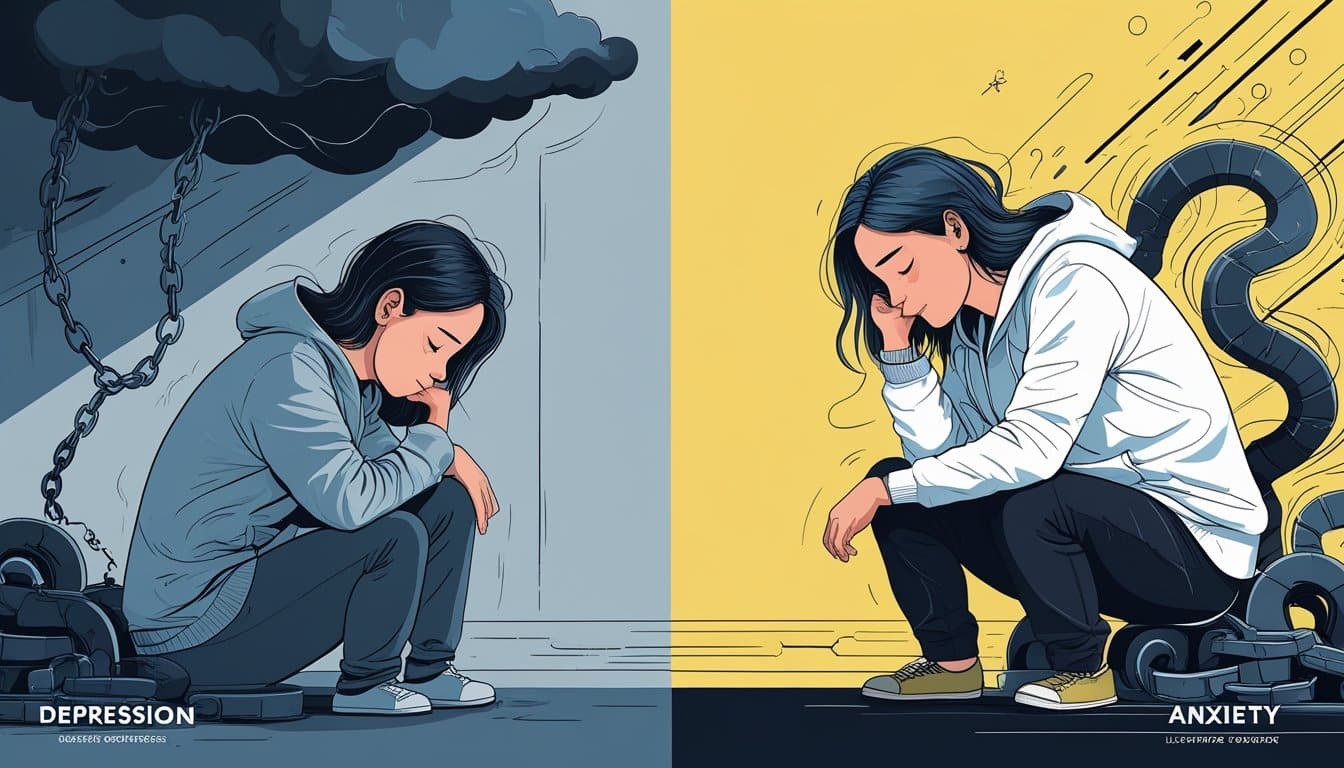
Living with depression does not look the same for everyone. You might notice changes in your energy, how you see yourself, or how you handle daily tasks.
Those differences can shift depending on whether you have support, treatment, or none at all.
If you want options for help, consider TideS Mental Health for virtual or Chicago-area in-person therapy focused on depression, anxiety, and life transitions for adults and families.
Understanding Depression
Depression is a medical condition that changes how you think, feel, and act. It can make daily tasks hard, affect your sleep and appetite, and cut into your work and relationships.
Defining Clinical Depression
Clinical depression, or major depressive disorder, is more than feeling sad for a few days. You must have a persistent low mood or loss of interest for at least two weeks, plus other symptoms that affect daily function.
Symptoms often include trouble sleeping, low energy, changes in appetite, difficulty concentrating, and feelings of worthlessness or guilt. Causes can include a mix of brain chemistry, life events, chronic stress, and medical conditions.
Treatment usually combines therapy and sometimes medication. If you need local, in-person care, Tides Mental Health offers services in the Chicago area and also provides virtual therapy for most clients.
Symptoms and Diagnosis
Diagnosis starts with a clinical interview and a review of your symptoms, history, and daily functioning. Clinicians look for symptom duration, severity, and whether thoughts of harming yourself are present.
Common signs you should report include persistent sadness, loss of interest in activities you used to enjoy, major changes in sleep or appetite, slowed thinking or restlessness, and difficulty concentrating at work or school. Your provider may use questionnaires to track symptoms.
Therapy is a core treatment; at Tides Mental Health you can access adult therapy focused on depression and anxiety through virtual sessions or in-person visits in Chicago.
Common Misconceptions
You might hear that depression is just sadness or a personal weakness. That is false.
Depression is a treatable medical condition involving biological and situational factors. Another myth says you must hit “rock bottom” before seeking help.
You do not. Early treatment often prevents worsening.
People also think therapy is only talk with no results. Evidence shows structured therapies reduce symptoms and improve daily functioning.
If you worry about access, remember many clinicians now offer 60–70% virtual sessions, making care easier to schedule. Tides Mental Health provides both virtual and in-person options to fit your needs.
Distinguishing Depression From Normal Sadness
You may feel low after a loss or stress, but depression changes how you think, feel, and act day to day. The next parts show clear emotional signs, how long symptoms last, and how much your daily life can be affected.
Emotional Differences
Sadness often centers on a specific event and brings tears, crying spells, or a heavy heart that eases with comfort. Depression usually brings a persistent numbness, hopelessness, or empty feeling that doesn’t lift even when things improve.
In sadness you still feel some pleasure or relief at times. In depression, pleasures fade; hobbies, socializing, and intimacy feel flat or pointless.
Depression also includes intense self-criticism, worthlessness, or recurrent thoughts of death that go beyond normal grieving. Anxiety commonly co-occurs with depression, causing restlessness or panic that makes emotional regulation harder.
If your feelings include persistent numbness, uncontrollable guilt, or active suicidal thoughts, get professional help right away.
Duration and Intensity
Sadness is usually tied to a timeline: a breakup, job loss, or bad news, and it tends to lessen in weeks. Depression lasts longer — often at least two weeks — and can persist for months or years without treatment.
Intensity matters: sadness fluctuates and often responds to support or distraction. Depression stays strong across days and resists usual coping strategies like talking with friends or taking time off.
Depressive episodes often show clear physical signs — low energy, major sleep or appetite changes — that are more severe than the tiredness of sadness. Track symptoms over days and weeks; note if problems keep interfering with work, relationships, or self-care, and consider reaching out to a clinician such as Tides Mental Health for assessment.
Impact on Daily Functioning
When you’re sad, you may withdraw briefly but still manage daily tasks like work, paying bills, or caring for family. Depression makes routine tasks feel overwhelming or impossible.
You might miss work, neglect hygiene, or avoid responsibilities. Social life often collapses under depression: you cancel plans, stop returning messages, and isolate even from close family.
Cognitive problems — slowed thinking, poor concentration, memory slips — also make problem-solving and job performance worse. A practical sign is change in functioning across multiple areas: if your sleep, work, relationships, and self-care all decline together, the problem likely goes beyond normal sadness.
If that’s happening, consider starting therapy virtually or in-person with Tides Mental Health in the Chicago area to get structured support and a treatment plan.
Daily Life With Depression
Depression can change how you handle basic tasks, think, and connect with others. You may find daily life feels heavier, and specific routines or relationships start to require more effort than before.
Challenges in Routine Activities
You might struggle with getting out of bed, even when you have plans. Mornings can feel slow because low energy and heavy thoughts make simple decisions—what to wear, whether to eat—harder than they used to be.
Household chores often pile up. Doing dishes, laundry, or grocery shopping can feel overwhelming.
You may skip meals or eat without appetite, and personal care like showering can require pushing through a strong resistance. At work or school, deadlines and meetings can seem impossible.
You may miss days or perform below your usual level, which increases stress and guilt. Tides Mental Health offers virtual and Chicago-area in-person support to help rebuild daily routines.
Cognitive and Physical Effects
Depression changes how you think. You may notice slower concentration, trouble remembering details, and difficulty making decisions.
Reading, following instructions, or planning steps for a task can take much longer. Physically, you may feel tired even after sleeping.
Sleep can also be disturbed—either sleeping too much or too little. Body aches, slowed movements, or a sense of restlessness are common and can make activities feel more demanding.
Medication, therapy, and routine adjustments can reduce these effects. Tides Mental Health provides therapy focused on depression and anxiety, with mostly virtual sessions to fit your schedule.
Social Interactions
You may pull back from friends and family. Small social gatherings can drain you, and texting or phone calls might feel like more effort than you can spare.
This withdrawal can make relationships strain or miscommunicate. When you do interact, you might feel disconnected or irritable.
Conversations can feel shallow or overwhelming. People may not understand why you seem distant, which can cause guilt or shame.
You can work on social skills gradually. Couples and family counseling through Tides Mental Health can help rebuild communication and set realistic steps to reconnect, whether via virtual meetings or in-person sessions in Chicago.
Living With Untreated Versus Treated Depression
Untreated depression often deepens over time and affects work, relationships, and health. Treated depression can reduce symptoms, improve daily function, and restore routines through therapy, medication, or both.
Effects of Not Seeking Treatment
When you leave depression untreated, your sleep, appetite, and energy often get worse. You may miss work or fall behind at school.
Concentration and decision-making can become harder, which raises the risk of job loss or relationship strain. You also face higher chances of developing anxiety, substance misuse, or chronic health problems like high blood pressure.
Social withdrawal becomes more common; you might stop seeing friends or avoid family events. Untreated depression can increase thoughts of self-harm or suicide.
If you have persistent despair, hopelessness, or plans to hurt yourself, seek help immediately from a licensed provider like Tides Mental Health or emergency services.
How Treatment Changes Experience
With treatment, many people notice clearer thinking, better sleep, and more stable moods within weeks to months. Therapy helps you learn coping skills for worry, negative thoughts, and life transitions.
Medication can correct brain chemistry that affects mood when clinically indicated. You can expect to rebuild routines, manage daily tasks, and reconnect with people.
Tides Mental Health offers therapy for adults, couples, and families, mostly online (60–70% virtual) and in-person in the Chicago area (30–40%). Combining therapy with medication or support groups often gives the best results.
Regular follow-ups let providers adjust treatment when needed. If symptoms return, your care plan can change so you keep improving and reduce the chance of relapse.
Comparison With Other Mental Health Conditions
Depression changes your energy, mood, sleep, and thinking in specific ways. It can overlap with other conditions, but the causes, symptoms, and treatment needs often differ.
Depression Versus Anxiety Disorders
Anxiety disorders make your body and mind stay on high alert. You may feel persistent worry, restlessness, or panic that focuses on future threats.
Depression more often brings low mood, loss of interest, slowed thinking, and fatigue that centers on past or present loss. Symptoms can overlap: trouble sleeping, concentration problems, and irritability occur in both.
Treatment differs: you may benefit from CBT or SSRI medication for both conditions, but therapy plans focus on worry-management and exposure for anxiety, while depression treatment targets activity activation and mood regulation. If both conditions occur together, you’ll need a combined plan.
Tides Mental Health offers therapy that addresses both anxiety and depression in sessions that are mostly virtual, with in-person options in Chicago.
Depression Versus Bipolar Disorder
Bipolar disorder includes clear mood shifts between depressive episodes and manic or hypomanic episodes. During a manic phase you might feel unusually energetic, have racing thoughts, reduced need for sleep, and act impulsively.
Major depressive episodes in bipolar disorder can look like unipolar depression, but the presence of mania is the key difference. Treatment also differs: mood stabilizers or certain atypical antipsychotics are often essential for bipolar disorder, while unipolar depression may respond to antidepressants and therapy alone.
Accurate diagnosis matters because using only antidepressants for bipolar disorder can trigger manic episodes. If you notice past periods of unusually high energy or risky behavior, tell your provider.
Tides Mental Health can evaluate mood history in virtual or in-person appointments in Chicago and build a treatment plan that fits your diagnosis.
Long-Term Implications of Living With Depression
Living with depression can change how you connect with others and how you function at work or school. These changes often build slowly and affect daily decisions, energy, and plans for the future.
Personal Relationships
Depression can make it hard for you to keep close relationships. You might stop socializing, cancel plans, or withdraw when you feel too tired or numb.
Those actions can create distance and lead partners, family, or friends to feel confused, hurt, or frustrated. Symptoms like irritability, low motivation, and negative thinking affect communication.
You may struggle to express needs, trust reassurance, or participate in shared activities. This raises the risk of misunderstandings and conflict.
You can reduce harm by explaining your limits and asking for small, specific supports—like help with chores, a weekly check-in call, or attending a therapy session together. Tides Mental Health offers couples and family counseling and both virtual and in-person sessions in the Chicago area to help rebuild routines and improve communication.
Career and Education
Depression affects concentration, memory, and energy, so you may miss deadlines or perform below your skill level. You might call in sick more, avoid tasks that used to feel manageable, or decline promotions because of fear or exhaustion.
These patterns can stall your career or academic progress. Workplace and school supports help.
Reasonable adjustments include reduced hours, extended deadlines, or remote work options. You should document needs with a clinician when possible and request specific changes from HR or academic advisors.
Therapy focused on coping skills, time management, and gradual activity increases helps restore functioning. Tides Mental Health provides adult therapy for depression and life transitions, mainly via virtual sessions (60–70%) and in-person care (30–40%) in Chicago to support career and education goals.
Coping Mechanisms and Adaptation
People use both short-term tricks and longer-term changes to manage daily symptoms and keep functioning. You’ll learn practical skills you can build on and places to find consistent help that fit your life.
Developing Personal Strategies
Start with small, specific routines you can keep. Set a simple morning plan: wake time, a 5–10 minute breathing or stretching practice, and one prioritized task.
Use a written checklist to reduce decision fatigue and mark wins, even tiny ones. Practice two coping types: symptom relief and problem-solving.
Symptom relief includes grounding, paced breathing, and brief walks to interrupt negative thought loops. Problem-solving means breaking big tasks into three clear steps and scheduling them on your calendar.
Track what helps. Keep a short mood log for two weeks noting activity, mood rating, and outcome.
Adjust habits based on patterns. Use medication reminders if prescribed and share progress with your clinician or therapist.
Seeking Support and Resources
Look for structured help that fits your needs and schedule. You can choose weekly or biweekly therapy focused on depression, anxiety, life changes, or relationships.
Tides Mental Health offers adult therapy both virtually (60–70% of sessions) and in person in the Chicago area (30–40%), so you can pick what works best. Use a mix of supports: individual therapy, couples or family sessions if relationships are affected, and brief check-ins with a prescriber for medication management.
Ask therapists about specific tools they teach, like cognitive skills, behavioral activation, or exposure for anxiety. Tap free and low-cost resources too.
Peer groups, crisis lines, and guided self-help apps can fill gaps between sessions. If you have children or teens needing help, mention your interest in future child and adolescent services so you can plan next steps.
How Depression Alters Perspective
Depression changes how you see events and how you see yourself. It narrows attention, makes future plans feel risky or pointless, and chips away at confidence in small, steady ways.
Changes in Outlook
Depression often makes neutral or positive events feel negative. You might read a friend’s short text as rejection, or view a small mistake at work as proof you’re failing.
This happens because your brain gives more weight to threats and losses and less to rewards and achievements. You may also expect bad outcomes.
Planning for a trip, a project, or a talk can trigger worries that the effort won’t pay off. That expectation can stop you from trying new things or from taking reasonable risks.
Over time, avoidance narrows your life and reduces opportunities for positive feedback.
Track one small success each day. Try brief exposure to avoided situations and notice real outcomes.
If you want guided support, Tides Mental Health offers virtual and Chicago-area in-person therapy to help you rebuild a balanced outlook.
Effect on Self-Esteem
Depression lowers how you value yourself in steady, quiet ways. You may focus on flaws and ignore strengths.
Praise can feel unearned or suspicious. You might discount past successes as luck or coincidence.
Low self-worth leads to withdrawing from social contact and work tasks. This reduces chances to succeed.
Social withdrawal then reinforces the belief that you’re unfit or unlikeable. That cycle deepens the symptom pattern.
You can disrupt the cycle with structured steps. List skills you used to solve past problems, set tiny achievable goals, and accept support from a therapist or counselor.