
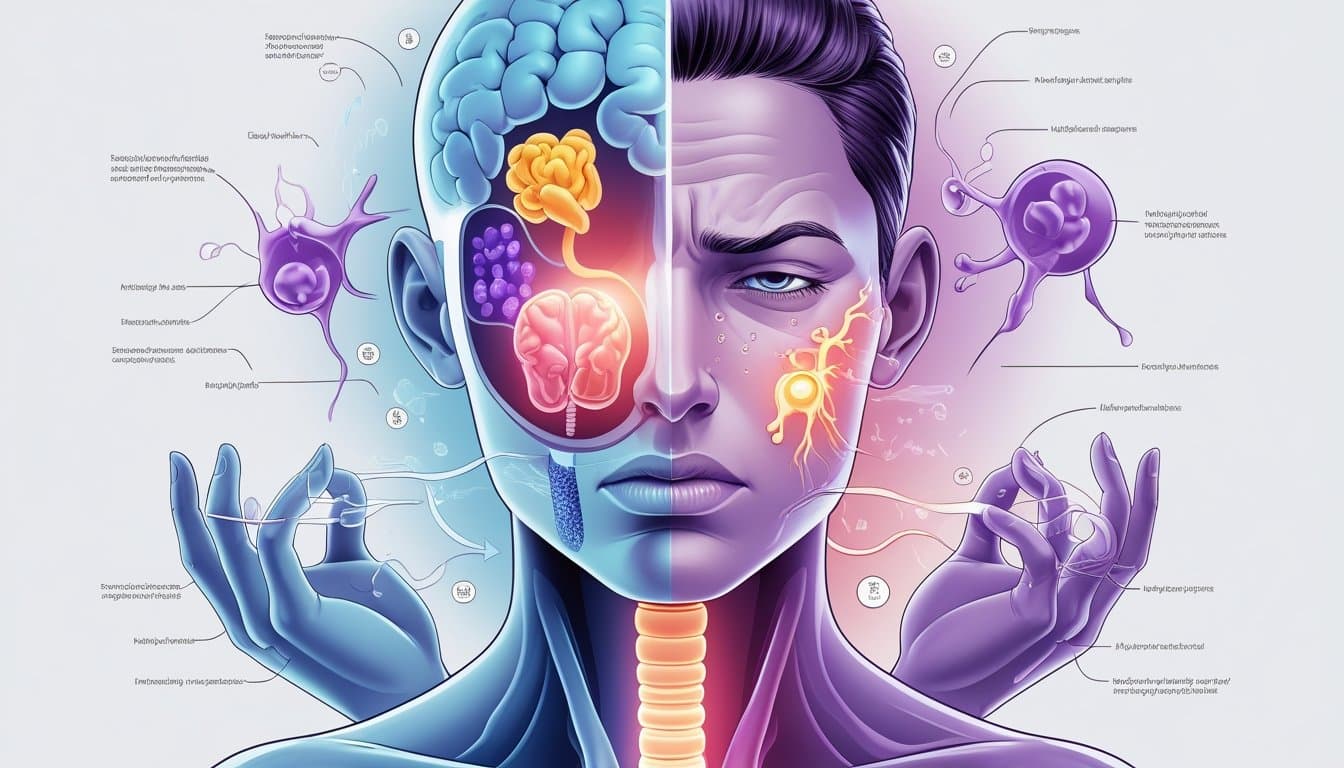
Hormone shifts can make your heart race, cloud your thinking, and heighten worry at times that match your cycle, pregnancy, or midlife changes. If your anxiety comes and goes with periods, childbirth, or menopause—or seems tied to thyroid or stress hormones—hormone imbalance could be a key cause and a treatable one.
You will learn how specific hormones can trigger anxious feelings, which symptoms point to a hormonal cause, and what steps can help—testing, lifestyle changes, and therapy options. Tides Mental Health offers virtual and Chicago-area in-person care to help you sort hormone-linked anxiety and find a plan that fits your life.
Understanding Hormone Imbalance
Hormone imbalances can change how you feel, sleep, think, and cope with stress. They often involve a few specific hormones and show up differently at different life stages.
Definition and Types of Hormonal Imbalances
Hormonal imbalance means your body makes too much or too little of one or more hormones. Key hormones that affect mood and anxiety include:
- Estrogen and progesterone — affect mood, especially around menstrual cycles, pregnancy, and menopause.
- Cortisol — the stress hormone that rises with chronic stress and can keep you feeling anxious.
- Thyroid hormones (T3, T4) — low or high thyroid function can cause anxiety, jitteriness, or slowed thinking.
- Testosterone — low levels in men can affect mood and energy.
Imbalances can be primary (gland problem) or secondary (pituitary/hypothalamus control). They may be transient, such as pregnancy-related changes, or chronic, like autoimmune thyroid disease.
Lab tests, symptom tracking, and medical history help confirm which hormone is involved.
Common Causes of Hormone Imbalance
Several clear causes trigger hormone shifts that link to anxiety:
- Life stages: puberty, pregnancy, postpartum, and menopause cause large hormone swings.
- Chronic stress: prolonged stress raises cortisol and disrupts other hormones.
- Thyroid disorders: Hashimoto’s or Graves’ disease change thyroid output and mood.
- Medications and substances: steroids, some antidepressants, and heavy alcohol use affect hormone levels.
- Lifestyle factors: poor sleep, irregular eating, and high caffeine use alter hormone rhythms.
- Medical conditions: polycystic ovary syndrome (PCOS), pituitary tumors, and adrenal disorders directly affect hormones.
Addressing causes often means a mix of medical treatment, lifestyle change, and mental health support.
If anxiety stems from hormones, targeted therapy and coordination with your medical provider can help.
Prevalence in Different Age Groups
Hormone-related anxiety shows up more at certain ages and in specific groups:
- Adolescents: hormone surges during puberty commonly cause mood swings and increased anxiety.
- Reproductive-aged adults: menstrual cycle-related anxiety, pregnancy, and postpartum changes affect many women.
- Perimenopausal and menopausal adults: fluctuating estrogen and progesterone often increase anxiety and sleep problems.
- Older adults: thyroid imbalances and lower sex hormones can influence mood but may be mistaken for normal aging.
Men experience hormone-related mood changes too, especially with low testosterone or thyroid issues.
You can get virtual or in-person care to assess symptoms. Tides Mental Health offers adult-focused therapy for anxiety, depression, life transitions, and couples/family work, with 60–70% virtual sessions and in-person options in the Chicago area.
Overview of Anxiety Symptoms
Anxiety often shows up in emotions, the body, and your thinking. You may notice shifts in mood, physical stress signs, or patterns of worry that affect daily life and relationships.
Emotional Manifestations of Anxiety
Anxiety can make you feel constantly on edge, tense, or irritable. You might find small frustrations trigger strong reactions, or that you get overwhelmed by tasks you could handle before.
You may also experience persistent worry about future events, relationships, or health. That worry can feel uncontrollable and can interfere with sleep and mood.
Fear and avoidance appear too. You might avoid social situations, work tasks, or medical visits because they create strong dread.
These reactions can strain family or partner relationships and make everyday routines harder.
Physical Signs of Anxiety Disorders
Your body often shows anxiety first. Common signs include a racing heart, sweating, trembling, and shortness of breath during stressful moments or panic attacks.
Sleep problems and muscle tension are frequent. You may have trouble falling asleep, wake often, or feel tightness in your neck, shoulders, or jaw.
Digestive issues and headaches also occur. Nausea, stomach pain, and frequent headaches can link to chronic anxiety.
These symptoms can mimic other medical problems, so medical evaluation helps rule out physical causes.
Cognitive Symptoms Associated With Anxiety
Anxiety changes how you think. You might experience constant worry, catastrophic thinking, or repeated “what if” scenarios that trap your attention.
Concentration and memory can suffer. You may have trouble focusing at work or school and forget recent details more often than usual.
You might also notice heightened threat perception. Your mind may overestimate danger and underestimate your ability to cope, which fuels avoidance and increases stress.
If you want support managing these symptoms, Tides Mental Health offers adult therapy and counseling, with both virtual sessions and in-person care in the Chicago area.
How Hormone Imbalance Can Trigger Anxiety
Hormone changes can affect your thoughts, body, and behavior quickly or over time. You may notice sudden spikes in worry, changes in sleep, or more tension around certain life stages or stress events.
Endocrine System and Mood Regulation
The endocrine system sends hormones through your bloodstream to control many body functions. Glands such as the thyroid, adrenal glands, ovaries, and testes release chemicals that alter heart rate, sleep, appetite, and emotional responses.
When a gland makes too much or too little of a hormone, your brain circuits that manage threat and calm can become more reactive.
You might see mood shifts tied to predictable patterns, like your menstrual cycle or menopause, or after major life events such as pregnancy or thyroid disease.
Monitoring timing and symptoms helps identify links between hormone rhythms and anxiety.
Key Hormones Linked to Anxiety
Cortisol responds to stress. High or fluctuating cortisol levels make you feel jumpy, wired, or unable to relax.
Thyroid hormones regulate energy. An overactive thyroid (too much hormone) can cause nervousness, while an underactive thyroid often brings low mood and worry.
Estrogen and progesterone affect brain chemicals like serotonin and GABA. Drops in estrogen before your period or during menopause can raise anxiety.
Low testosterone in men can also increase anxious or depressed feelings.
Other hormones, like adrenaline, change heart rate and breathing, which can create or worsen panic symptoms.
Tracking specific hormone tests and symptom patterns gives clearer targets for treatment.
Mechanisms of Hormone-Induced Anxiety
Hormones change neurotransmitter balance. For example, low estrogen can reduce serotonin activity, which lowers mood and raises anxiety risk.
High cortisol alters how your amygdala and prefrontal cortex handle stress, making threats feel larger and coping harder.
Hormones also affect sleep and energy. Poor sleep from hormone shifts increases rumination and decreases emotional control the next day.
Appetite and blood sugar changes tied to hormones can make you feel physically off, which often leads to more worry.
Inflammation linked to hormonal problems can alter brain signaling and worsen anxiety over time.
Specific Hormonal Disorders Associated With Anxiety
These hormonal problems often show with clear physical signs and patterns in mood or behavior. Watch for changes in weight, sleep, energy, and mood that happen with other bodily symptoms.
Thyroid Dysfunction and Anxiety
An overactive thyroid (hyperthyroidism) can speed up your heart, raise your metabolism, and make you feel nervous, restless, or unable to sleep.
You may notice a rapid heartbeat, sweating, tremors, weight loss, and sudden spikes of worry or panic.
These symptoms can mimic generalized anxiety or panic disorder, so testing thyroid-stimulating hormone (TSH) and free T4 helps confirm the cause.
An underactive thyroid (hypothyroidism) usually slows you down and can cause low energy, weight gain, and depressed mood.
Anxiety is less common but can appear as increased worry or irritability, especially when thyroid treatment is inconsistent.
Treating the thyroid with medications often reduces anxiety symptoms over weeks to months.
Cortisol Imbalance and Stress Response
Cortisol helps your body respond to stress, but too much or too little can affect your mood.
Chronic high cortisol from prolonged stress or Cushing’s syndrome can cause agitation, insomnia, concentration problems, and heightened anxiety.
You might also have muscle weakness, weight gain around the trunk, and easy bruising.
Low cortisol from adrenal insufficiency leads to fatigue, low blood pressure, and sometimes increased worry or panic when you face stress.
Doctors measure cortisol with blood, saliva, or urine tests and may use imaging to check the adrenal glands.
Treatment targets the underlying cause and aims to normalize cortisol rhythms to ease anxiety.
Sex Hormone Fluctuations and Anxiety in Women
Shifts in estrogen and progesterone across the menstrual cycle, pregnancy, postpartum, and menopause can trigger anxiety spikes.
Premenstrual dysphoric disorder (PMDD) causes severe mood and anxiety symptoms in the luteal phase.
During pregnancy and after birth, changing hormone levels can worsen worry or lead to postpartum anxiety.
Perimenopause often brings hot flashes, sleep disruption, and sudden mood swings tied to falling estrogen; these changes can increase anxious thoughts.
Hormone testing, tracking symptoms by cycle, and treatments such as hormone therapy, behavioral strategies, and psychotherapy can help.
If you want support, Tides Mental Health offers therapy for anxiety, with most care available virtually and in-person options in the Chicago area.
Recognizing the Signs of Hormonal Imbalance Related Anxiety
Hormonal shifts can change how you feel, your body, and your thoughts.
Look for patterns in mood, physical symptoms, and timing that match hormone changes so you can get the right help.
Distinctive Anxiety Patterns Linked to Hormones
Hormone-related anxiety often shows up at predictable times.
For people assigned female at birth, anxiety that spikes in the week before your period, during pregnancy, or around menopause can point to estrogen and progesterone swings.
In men, new or worsening anxiety with low energy or low libido may connect to falling testosterone.
Watch for physical signs that appear with anxiety: heart palpitations, sleep trouble, digestive upset, or sudden hot flashes.
Symptoms often repeat on a monthly cycle or start during a life stage change.
Track your mood and physical symptoms for several weeks.
A clear pattern makes it easier to discuss causes and treatment with a clinician.
When to Seek Medical Evaluation
Seek evaluation if anxiety is persistent, worsening, or interferes with work, sleep, or relationships.
Tell your clinician about timing, cycles, and any bodily changes like irregular periods, weight shifts, fatigue, or changes in sex drive.
These details help guide tests for thyroid, sex hormones, or cortisol.
Expect a full medical history and targeted lab tests.
Treatment can include hormone-focused options and therapy.
If you want therapy focused on anxiety, depression, and life transitions, Tides Mental Health offers virtual sessions nationwide and in-person care in the Chicago area.
Ask your provider about combining medical treatment with regular counseling to address both symptoms and coping skills.
Diagnosis and Assessment
You will learn how clinicians check hormone levels, evaluate anxiety symptoms, and untangle overlapping signs so you can get the right tests and care.
Medical Evaluation for Hormone Levels
Your primary care doctor or an endocrinologist starts with a detailed medical history and targeted blood tests.
Common tests include thyroid panel (TSH, free T4), cortisol (morning and sometimes salivary diurnal curve), sex hormones (estrogen, progesterone, testosterone), and sometimes insulin or adrenal markers.
Timing matters: for example, measure cortisol in the morning, and draw sex hormones at a consistent point in your menstrual cycle if applicable.
Expect providers to review medications, sleep, weight changes, and menstrual or menopausal status.
Imaging like a thyroid ultrasound or pituitary MRI is ordered only if labs or symptoms point to structural issues.
Bring a symptom diary to appointments — note mood swings, sleep, heart palpitations, and when symptoms worsen.
Tides Mental Health can help arrange testing and follow-up, with most care available virtually and in-person support in the Chicago area.
Psychological Assessment of Anxiety
A mental health clinician evaluates your anxiety with clinical interview and standard scales such as the GAD-7 or the Beck Anxiety Inventory.
They ask about the onset, triggers, severity, functional impact, and whether panic attacks or obsessive thoughts occur.
Expect questions about sleep, substance use, trauma history, and family mental health patterns.
Assessment can include brief cognitive screening and treatment planning.
If hormone issues are suspected, clinicians coordinate with medical providers so treatment addresses both mood and underlying biology.
You will often get combined recommendations: psychotherapy for coping skills and referral for medical testing when appropriate.
Tides Mental Health offers virtual and Chicago-area in-person therapy that integrates these steps for adult anxiety and life transitions.
Diagnostic Challenges and Overlaps
Symptoms from hormones and anxiety often look the same: fatigue, sleep problems, irritability, and heart palpitations.
That overlap makes it hard to decide whether to treat the endocrine issue, the anxiety, or both.
Lab results can vary day-to-day and by cycle phase, so a single normal test doesn’t always rule out hormonal influence.
Coexisting conditions—like thyroid disease plus generalized anxiety disorder—require coordinated care.
Misattribution is common: treating only hormones may leave anxiety untreated, while only treating anxiety may miss a medical driver.
Clear communication between your medical and mental health providers reduces this risk.
Tides Mental Health coordinates with your physicians to align testing, therapy, and any needed referrals.
Treatment Options and Management Strategies
You can reduce anxiety from hormonal imbalance by targeting hormones directly and by using therapies that teach practical coping skills. Medical care can correct hormone levels, while therapy helps you manage symptoms, thoughts, and daily stressors.
Medical Interventions for Hormone Balancing
Doctors may test blood, saliva, or urine to measure levels of cortisol, thyroid hormones, estrogen, progesterone, or testosterone. Tests guide specific treatments, such as thyroid hormone replacement for hypothyroidism or anti-thyroid drugs for hyperthyroidism.
For menstrual- or menopause-related shifts, providers often use hormone therapy or low-dose birth control to stabilize estrogen and progesterone. For chronic stress, they may recommend stress-reduction plans and evaluate for Cushing’s or adrenal issues before prescribing medication.
Medication changes come with side effects, so your clinician should review risks, monitor labs, and adjust doses. If you want coordinated care and both in-person and virtual options, Tides Mental Health offers evaluation and ongoing follow-up with providers based in the Chicago area and via remote visits.
Therapeutic Approaches to Anxiety Relief
Cognitive behavioral therapy (CBT) helps you spot and change anxious thoughts and behaviors. Sessions teach skills like cognitive restructuring, exposure techniques, and activity scheduling to lower anxiety in daily life.
Mindfulness and breathing practices reduce acute panic and improve emotional regulation. You can learn short exercises to use during high-stress moments and build a daily practice to steady mood.
If medication for anxiety is needed, a psychiatrist can prescribe SSRIs, SNRIs, or short-term benzodiazepines while you work in therapy. Couples or family counseling can address relationship stress that worsens symptoms.
Tides Mental Health provides adult-focused therapy, mostly virtual with in-person care in Chicago, and combines clinical treatments to fit your needs.
Lifestyle Factors Impacting Hormone Balance and Anxiety
Small, practical changes in daily life can shift hormone levels and ease anxiety. Nutrition, movement, and sleep each affect cortisol, insulin, sex hormones, and brain chemicals that shape mood.
Diet and Nutrition
What you eat alters blood sugar, inflammation, and hormones that influence anxiety. Aim for balanced meals with lean protein, healthy fats, and fiber-rich carbohydrates to keep blood sugar steady and lower cortisol spikes.
Include foods with omega-3s (salmon, walnuts) and magnesium (spinach, pumpkin seeds) because they support mood and nervous system regulation. Limit refined sugar, high-caffeine intake, and excessive alcohol.
These raise adrenaline and cortisol, worsen sleep, and can trigger panic or restlessness. Consider smaller, regular meals if you notice anxiety after large meals or sugary snacks.
If you have symptoms like heavy periods, hot flashes, or fatigue alongside anxiety, mention them to your clinician. Blood tests can check thyroid, sex hormones, and blood sugar if needed.
Tides Mental Health offers virtual and Chicago-area in-person consultations to help you tailor nutrition and testing to your situation.
Exercise and Physical Activity
Regular movement helps regulate cortisol and boosts endorphins and GABA, which calm the brain. Aim for a mix: 150 minutes of moderate aerobic activity per week plus two strength sessions.
Brisk walking, cycling, or swimming raise mood without spiking stress hormones. Add short, daily movement breaks if you sit most of the day.
Gentle activities like yoga or tai chi lower sympathetic nervous system activity and improve breath control during anxious moments. Avoid long, intense workouts right before bedtime, as they can raise cortisol and disrupt sleep.
If you’re new to exercise or have health limits, start with 10–15 minute sessions and build up. A therapist at Tides Mental Health can help you set realistic activity goals that support both mood and hormone balance.
Sleep Hygiene and Stress Reduction
Sleep loss raises cortisol and disrupts melatonin and insulin, which feeds anxiety. Keep a consistent sleep schedule, dim lights an hour before bed, and remove screens from the bedroom to improve melatonin production.
Aim for 7–9 hours nightly. Use specific stress-reduction tools: 5–10 minutes of paced breathing, progressive muscle relaxation, or guided imagery each day to lower baseline cortisol.
Schedule worry time earlier in the day to prevent rumination at night. If intrusive thoughts or chronic insomnia persist, a therapist can teach cognitive-behavioral techniques for anxiety and sleep.
For in-person or virtual support, Tides Mental Health provides therapy focused on anxiety, mood, and life transitions. Their clinicians can combine sleep strategies, stress-reduction practices, and personalized plans to help restore hormonal balance.
Long-Term Outlook and Prevention
Monitoring Hormone Health
Keep a record of symptoms, periods, mood changes, sleep, and medication effects. Share this log with your clinician so they can time lab tests (like thyroid panels, cortisol, estradiol, progesterone) to match symptom patterns.
Ask for repeat tests if symptoms persist after treatment changes. Hormone levels can shift over weeks to months, so one normal test does not rule out a problematic pattern.
Attend follow-up visits every 3–6 months while adjusting treatment, then at least annually when stable. If you live near Chicago or want hybrid care, Tides Mental Health offers in-person checks and virtual follow-ups to coordinate hormone care with therapy.
If you notice new or worsening symptoms—rapid weight change, fainting, severe mood swings—contact your clinician immediately for urgent reassessment.
Building Resilience Against Anxiety
Use a structured plan that mixes short-term tools and long-term habits. Practice daily breathing or grounding exercises for acute anxiety.
Add 20–30 minutes of moderate exercise most days to lower cortisol and improve sleep. Keep a regular sleep schedule and limit caffeine late in the day.
Small, consistent shifts in diet—balanced meals, regular protein, and reduced high-sugar snacks—help stabilize energy and mood. Engage in therapy focused on anxiety and life transitions to build coping skills.
You can start with virtual sessions if that fits your schedule; Tides Mental Health provides both virtual and Chicago-area in-person therapy for adults, couples, and families. Include social support and plan periodic check-ins with your therapist or clinician to adjust strategies as hormones and life demands change.
When to Consult a Healthcare Professional
If your anxiety feels constant or it stops you from doing daily tasks, reach out for help. Persistent worry, panic attacks, trouble sleeping, or changes in appetite can mean a medical check is needed.
Get checked when symptoms come on after a life change like pregnancy, menopause, or major stress. Hormone shifts can cause anxiety-like symptoms, and a provider can test hormone levels and rule out medical causes.
Seek immediate care for severe symptoms such as thoughts of harming yourself, panic attacks that don’t stop, or sudden confusion. These signs need urgent attention from a medical or mental health professional.
Consider a specialist if standard treatments don’t help or symptoms return. An endocrinologist can assess hormones; a mental health clinician can treat anxiety and depression.
You can start with a virtual visit or book in-person care if you’re near Chicago. If you want in-person therapy, Tides Mental Health provides those appointments locally.