
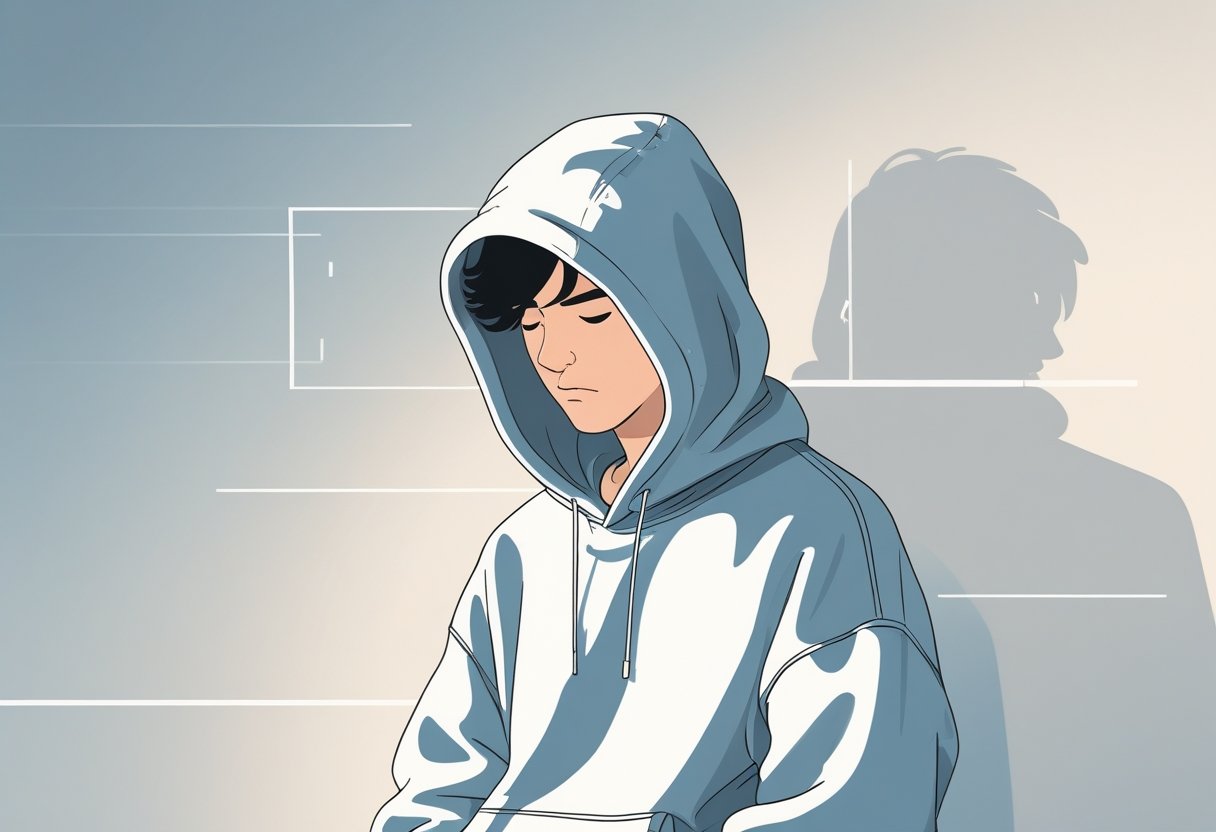
You might notice someone—maybe yourself—pull a hoodie tight when things feel heavy. That simple move can offer comfort, privacy, and a way to hide from stressful interactions.
Wearing a hoodie alone doesn’t prove depression, but when it appears with withdrawal, mood changes, and loss of interest, it can be an indicator that someone needs support.
This post will help you understand why a hoodie can become a shield, how it links to emotional withdrawal, and what signs to watch for in daily life. You’ll also find practical steps for offering help and where to look for professional support, including options from Tides Mental Health for virtual and Chicago-area in-person care.
Understanding Emotional Withdrawal
Emotional withdrawal means pulling back from people and activities you once cared about. It can show up as quiet avoidance, less interest, or choosing solitude over help.
Definition of Emotional Withdrawal
Emotional withdrawal happens when you reduce contact with others to protect yourself or cope with stress. You might stop sharing feelings, skip social events, and avoid conversations.
This behavior often feels safer than facing emotional pain or conflict. Withdrawal can be gradual.
You may first cut down on texts and calls, then stop attending gatherings, and finally avoid close relationships. It can also be a short-term response to a specific event or a longer pattern tied to anxiety or depression.
Common Causes of Emotional Withdrawal
Anxiety and depression are the main causes that drive people to withdraw. Anxiety can make social situations feel overwhelming, while depression reduces energy and interest in people and tasks.
Life transitions like job loss, moving, or a breakup can trigger withdrawal. Trauma and strained family or couple dynamics also push people inward.
When support feels unsafe or unavailable, you might retreat further. Professional help can reduce withdrawal.
Tides Mental Health offers therapy focused on anxiety, depression, life transitions, and family or couples work. You can access most services virtually, with in-person options in the Chicago area.
Signs and Symptoms
Look for changes in behavior: fewer messages, missed appointments, and canceled plans. You may see reduced emotional expression, like flat affect or short answers in conversations.
Other signs include sleep or appetite changes, loss of interest in hobbies, and increased irritability. You might also notice physical fatigue and difficulty concentrating.
If these signs last weeks and interfere with daily life, reaching out for therapy can help.
The Psychology Behind Hoodie Wearing
You may wear a hoodie for comfort, privacy, or to manage strong feelings. The following sections explain what a hoodie can signal, how clothing affects mood, and why people use hoodies to cope.
Symbolic Meaning of Hoodies
A hoodie often signals more than fashion. For many, it represents safety and control.
Pulling the hood up can create a small, private space that reduces sensory input and eye contact. That action can feel like a barrier between you and the outside world.
Hoodies also communicate identity. Teams, bands, or neighborhoods printed on a hoodie let you show belonging without words.
At the same time, plain or oversized hoodies can signal a wish to stay unnoticed. If you notice someone wearing a hoodie constantly, consider context.
Look at changes in behavior, mood, or daily habits before assuming distress. If you feel concerned about yourself or someone else, options like Tides Mental Health offer therapy both virtually and in-person in the Chicago area.
Psychological Impact of Clothing Choices
What you wear affects how you think and act. Clothes influence your posture, level of arousal, and social interaction.
A hoodie can lower cortisol by making you feel sheltered, which may reduce immediate stress. Clothing also shapes first impressions.
A hoodie can make you seem casual, withdrawn, or approachable depending on fit and setting. Repeated choices—wearing a hoodie to work, social events, or daily—can reinforce habits and emotional states over time.
If your clothing choices align with anxiety, depression, or social withdrawal, therapy can help you explore those links. Tides Mental Health provides focused adult therapy for anxiety, depression, life transitions, and relationship work, offered mostly online with some Chicago-area in-person sessions.
Hoodies as a Coping Mechanism
People use hoodies to manage uncomfortable feelings. Hoodies provide warmth and a tactile comfort that calms the nervous system.
That physical comfort can serve as short-term relief from anxiety, panic, or sensory overload. Hoodies can also act as a social shield.
When you want to avoid questions or eye contact, a hoodie reduces the chance of unwanted interaction. Over time, relying only on clothing to cope can limit opportunities to practice other skills, like communication or grounding techniques.
If you depend on hoodies to handle daily stress, consider talking with a therapist. Tides Mental Health offers counseling that targets coping skills, emotional regulation, and life transitions, mainly via virtual sessions and in-person care in Chicago.
The Link Between Hoodie Wearing and Emotional Withdrawal
Wearing a hoodie can act as a simple comfort choice or a signal of pulling back from others. Signs to watch include steady hoodie use, avoiding eye contact, and choosing spaces where you feel less noticed.
Behavioral Patterns Observed
You may notice a steady pattern: the same hoodie worn repeatedly, even at home. That habit can show you are seeking physical comfort when emotional comfort feels missing.
Pairing the hoodie with closed body language — hood up, hands in pockets, shoulders hunched — often matches an effort to feel smaller or protected. You might also skip social events or cancel plans while favoring solitary activities.
Declining invitations and using the hoodie as a shield in public can be part of withdrawing from relationships. If you see sudden changes in hygiene, sleep, or work habits alongside constant hoodie use, those combined signs matter more than the clothing alone.
Social and Emotional Factors
A hoodie can give you anonymity and reduce sensory input from a busy space. That helps when you feel overwhelmed by crowds, loud settings, or emotional demands.
In anxiety or depression, wearing a hoodie may let you manage panic, limit attention, or avoid questions you don’t want to answer. Peers and colleagues read hoodies differently based on context.
At work, it can lower perceived professionalism for some roles, which may add stress. At school or in public, it can invite assumptions about loneliness or withdrawal.
If you’re concerned about how others interpret you, talking with a therapist at Tides Mental Health can help you explore what your clothing choices mean and how to adjust them when you want to change others’ reactions.
Personal Identity and Expression
You might choose a hoodie to express identity, group membership, or values. For many adults, it signals comfort, practicality, or a casual style rather than distress.
Yet when your hoodie becomes a constant part of a defensive routine, it can reflect deeper identity shifts — feeling less visible, less engaged, or stuck in a low-energy phase. Using clothing to test parts of yourself is common during life transitions.
If you’re moving jobs, coping with a breakup, or facing parenting changes, a hoodie can feel like a safe baseline while you figure things out. If you want help distinguishing identity choices from emotional withdrawal, Tides Mental Health offers primarily virtual therapy and in-person sessions in Chicago to guide you through those changes.
Factors Contributing to Hoodie-Related Withdrawal
Wearing a hoodie can act as a simple comfort choice or a visible sign of pulling back from others. Several concrete factors shape when and why a hoodie becomes a tool for emotional withdrawal.
Environmental Influences
Cold weather and noisy spaces make hoodies practical. You might pull up a hood to block wind, lower sensory input, or feel physically safer in crowded public transit or busy offices.
These are immediate, measurable reasons people choose hoodies. Long-term environments also matter.
If your home, work, or school feels unsafe or critical, you may wear a hoodie more often to create a consistent “safe” barrier. In therapy settings, including virtual sessions, mentioning this habit helps your clinician understand sensory needs and emotional regulation strategies.
Practical solutions include creating predictable routines and adjusting lighting or sound at home. If you need support, Tides Mental Health offers both virtual therapy — which fits most schedules — and in-person care in the Chicago area.
Cultural Contexts
Clothing carries cultural meaning that affects how you feel. In some communities, hoodies signal privacy, modesty, or belonging to a subculture.
You may adopt a hoodie because it aligns with identity, not necessarily because you want to withdraw. Media and stereotypes also shape perception.
When society links hoodies to risk or depression, you might feel judged and withdraw further to avoid scrutiny. That external pressure can reinforce private behaviors, such as avoiding eye contact or staying quiet in groups.
Talking with a therapist can help you separate personal comfort from outside assumptions. Tides Mental Health can help you explore these cultural influences in therapy focused on anxiety, depression, or life transitions.
Peer Group Dynamics
Peers play a strong role in clothing choices. If your friends or coworkers commonly wear hoodies, you may copy that style to fit in.
That can be harmless, or it can mask withdrawal if you use the hoodie to avoid challenging conversations or to stay unnoticed. Social rejection or bullying raises the chance you’ll use clothing to hide.
After being excluded, you might choose a hoodie to reduce attention and limit interactions. Conversely, supportive peers can help you lower the hood and practice small social steps.
A clinician can work with you on social skills and gradual exposure. Tides Mental Health provides counseling that focuses on relationships and family dynamics, mostly online but with in-person options in Chicago, to help you rebuild comfortable social contact.
Recognizing Emotional Withdrawal in Daily Life
You may notice small changes that signal emotional withdrawal, like avoiding people or hiding feelings. These signs often show up in what you wear, how you speak, and how you handle daily tasks.
Subtle Indicators to Watch For
You might reach for a hoodie to feel safer and less seen. That choice can become a habit: you wear the same comfortable clothes, lower eye contact, and speak in short answers.
Check for changes in routine. Skipping phone calls, cancelling plans, or withdrawing from hobbies you once liked are clear signs.
You may also seem quieter at work or avoid team meetings. Pay attention to emotional flatness.
If you feel numb, show little joy, or have trouble naming emotions, that can mean you are pulling back. Notice if you use clothing or silence to block attention instead of talking about how you feel.
Impact on Relationships
Emotional withdrawal often makes others feel confused or rejected. Partners may interpret your hoodie and silence as distance and respond with frustration or overcompensation.
Friends can stop inviting you when you decline plans repeatedly. Small habits—late replies, brief messages, cancelled visits—add up and create a gap in trust.
Family members may try to engage and then give up if you stay closed off. If you want change, reach out for a clear conversation or try short, scheduled check-ins to rebuild contact gradually.
Potential Long-Term Effects
Left unaddressed, withdrawal can deepen anxiety and depression. Isolation reinforces negative thoughts and lowers motivation to seek help or keep social ties.
You may see work and school performance drop. Missed deadlines, reduced participation, and fewer professional opportunities can follow prolonged disengagement.
Getting support can reverse these trends. Tides Mental Health offers adult therapy focused on anxiety, depression, life transitions, and couples/family care, with 60–70% virtual options and in-person sessions in the Chicago area.
Consider reaching out if withdrawal affects your daily life.
Addressing and Supporting Emotional Withdrawal
You can help someone who withdraws by using clear, calm communication, building routines that support emotional health, and connecting to professional care when needed. Small, consistent steps often work best.
Communication Strategies
Speak in simple, nonjudgmental phrases that invite sharing. Try lines like, “I’ve noticed you’ve been quieter lately. Do you want to talk about it?”
Use open questions and allow silence—this gives the person space to respond without pressure. Set one-to-one check-ins on a regular schedule.
Short, predictable times (10–15 minutes, twice a week) lower anxiety about unexpected conversations. Keep your tone steady and avoid lectures or quick fixes.
Reflect what you hear: repeat one or two key words they used and ask if you understood them right. Example: “You said you feel overwhelmed—do you mean at work or with other things?”
This shows you listen and helps them name feelings.
Promoting Emotional Wellbeing
Encourage small daily habits that reduce stress and improve mood. Suggest 20–30 minutes of sleep-friendly routines, simple movement, and timed breaks from screens.
Offer to join them for a walk or a brief grounding exercise to make trying new habits easier. Create gentle social invitations rather than big events.
Propose low-pressure activities like coffee, a 20-minute walk, or a shared task. Praise effort: notice when they leave the hoodie at home or show up to a short plan, and say what you saw them do.
Support consistent sleep and eating patterns. Track changes together for a week—sleep times, meals, and mood—and look for links.
Small, steady changes often cut anxiety and lift mood more than sudden overhaul.
Professional Resources
If withdrawal lasts more than a few weeks or affects daily life, consider therapy. Tides Mental Health offers adult-focused counseling for anxiety, depression, life transitions, and couples or family work.
Most sessions are virtual (about 60–70%), and in-person care is available in the Chicago area (about 30–40%). When choosing services, ask about therapist focus, session format, and expected length of work.
Prepare a brief list of concerns and examples of withdrawal behaviors to bring to the first session. Emergency options matter: if someone talks about harming themself, contact local emergency services immediately.
Conclusion
Wearing a hoodie can be a simple comfort choice or a way to withdraw when you feel stressed, anxious, or low.
It rarely means depression by itself, but it can be one sign among others that your mood or social energy has changed.
Look for other patterns: changes in sleep, appetite, interest in activities, or how often you isolate.
If several signs appear together, you should consider talking with someone who knows mental health care.
Tides Mental Health offers adult therapy focused on anxiety, depression, life changes, and relationship work.
Most sessions are online, with some in-person options in the Chicago area.
Virtual care makes it easier to access therapy from home.