
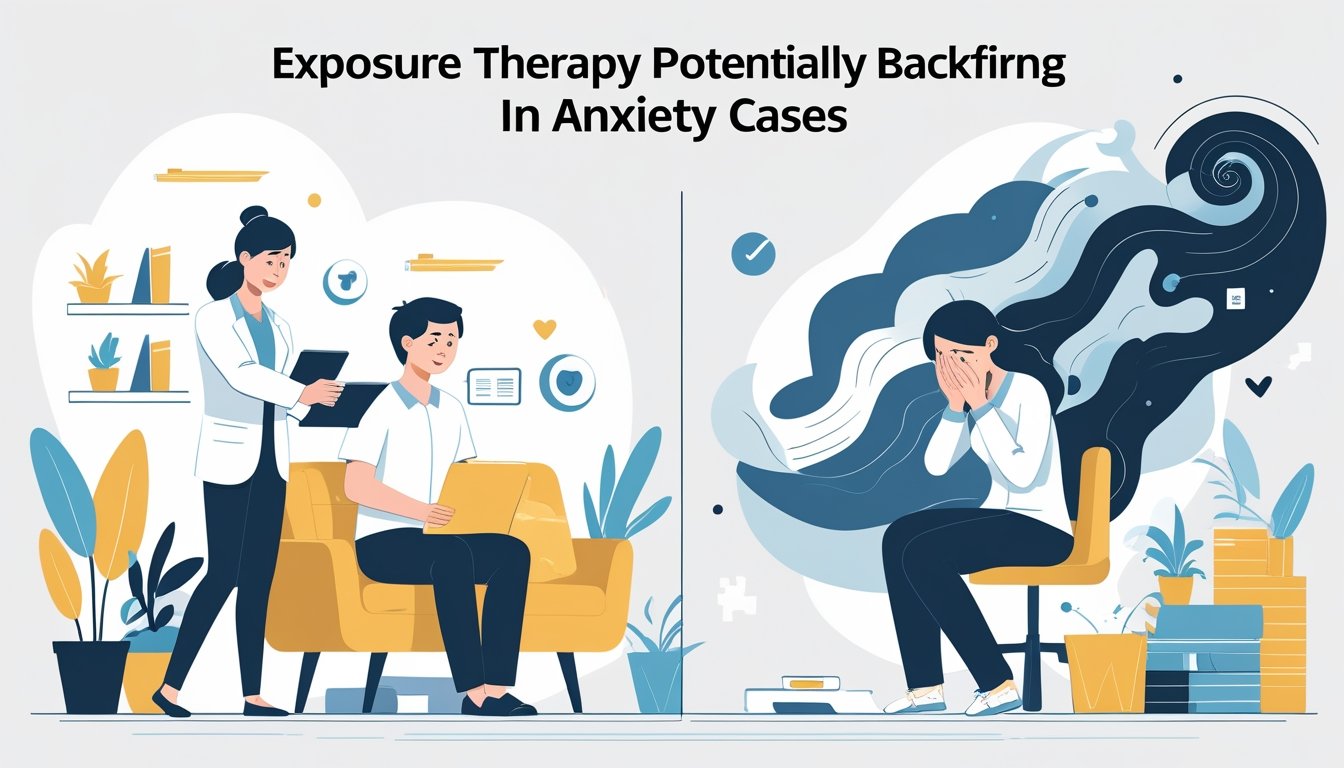
Exposure therapy can help you face fears and reduce anxiety, but it can also make things worse if it’s rushed, poorly planned, or done without the right support.
When exposures go too fast, feel overwhelming, or ignore your safety and limits, anxiety can spike and avoidance can grow stronger instead of fading.
You’ll learn why exposure works for many anxiety problems, when it can backfire, and what warning signs to watch for during treatment.
If you worry about starting exposure, Tides Mental Health offers virtual and Chicago-area in-person care to help tailor a safer, effective plan that fits your needs.
Understanding Exposure Therapy
Exposure therapy helps you face fears in a safe, controlled way to reduce avoidance and panic.
It uses repeated, guided contact with feared situations, thoughts, or images so your natural fear response weakens over time.
Core Principles of Exposure Therapy
Exposure relies on learning and safety.
You slowly confront feared stimuli so your brain learns that danger is lower than expected.
Therapists use a stepwise plan called a hierarchy.
You start with easier tasks and move to harder ones when you can handle them.
Sessions include clear goals, repeated practice, and review of what you learned.
Therapists also teach coping skills such as breathing or grounding, but the main change comes from facing the fear itself.
Consistency matters: doing exposures outside sessions speeds progress and prevents relapse.
Types of Exposure Techniques
In vivo exposure puts you in the actual situation you fear, like crowded places or driving.
It’s best when real-world practice is possible and safe.
Imaginal exposure has you vividly describe a feared memory or catastrophe.
This works when the trigger can’t be recreated or is internal, such as trauma memories or obsessive thoughts.
Interoceptive exposure targets bodily sensations—rapid heartbeat, dizziness—common in panic disorder.
You intentionally produce sensations so you learn they are uncomfortable but not dangerous.
Virtual reality exposure uses simulated environments when in vivo is impractical.
Therapists mix methods based on your needs, treatment goals, and what you can safely practice between sessions.
Goals of Exposure-Based Treatment
The main goal is to cut avoidance and regain control over daily life.
You aim to do things that matter to you despite fear—work, relationships, and routines.
Another goal is to change how you interpret fear signals.
Instead of seeing sensations as danger, you learn they are normal reactions that will pass.
This reduces panic and compulsive behaviors.
Treatment also aims to build long-term resilience.
You practice skills that let you face new fears later without starting over.
How Exposure Therapy Works for Anxiety
Exposure therapy helps you face feared situations in a controlled way so your body and mind learn that the danger is lower than you expect.
It uses gradual steps, repeated practice, and guidance from a trained clinician to change how you react to triggers.
Mechanisms of Fear Reduction
Exposure reduces fear through repeated, safe contact with the feared trigger.
When you repeatedly face a situation without the expected harm, your brain updates its threat predictions.
This process—called extinction—lowers the automatic fear response over time.
Therapists use graded hierarchies so you start with lower-stress steps and move up as you succeed.
Each successful exposure gives you evidence that you can tolerate discomfort and that feared outcomes do not occur.
You also learn coping skills, like slow breathing and grounding, that interrupt panic and reduce avoidance.
Role in Treating Anxiety Disorders
Exposure therapy fits many anxiety disorders, including specific phobias, social anxiety, panic disorder, PTSD, and OCD.
For each condition, the therapist tailors exposures to real-life triggers—public speaking tasks for social anxiety, interoceptive exposures for panic, or controlled memory processing for PTSD.
You usually work with a clinician over multiple sessions.
Therapists monitor progress and adjust pace to prevent overwhelming you while keeping treatment active and goal-focused.
Expected Outcomes
With consistent practice, you can expect reduced avoidance, fewer panic attacks, and lower distress when facing triggers.
Early sessions often bring spikes in anxiety, but these usually fall as exposures repeat and confidence grows.
Many people report greater daily functioning and return to activities they avoided.
Treatment length varies: some phobias respond in a few sessions, while OCD or PTSD may require longer, structured programs.
Your therapist will track measurable goals—like number of panic-free days or minutes spent in a feared situation—to show progress and decide next steps.
Potential Risks and Challenges
Exposure therapy can help reduce fear, but it can also make symptoms worse if used too quickly, without a clear plan, or without proper support.
Below are common risk factors, warning signs, and groups who may need different approaches or extra care.
Factors Enhancing Risk of Backfiring
Exposure that starts too intensely or too soon raises the chance of stronger fear responses.
If you confront a high-feared situation without first learning coping skills, your panic, avoidance, or negative beliefs can get worse.
Poorly structured exposures — those without clear goals, measurable steps, or gradual progression — often fail.
Inconsistent therapist guidance or skipped sessions disrupt learning and make fear feel uncontrollable.
Physical health issues, substance use, or recent major stress can amplify reactions during exposure.
Lack of social support or unsafe living situations also make it harder to practice and consolidate gains.
If you’re getting therapy online, ensure the clinician assesses risk and has a safety plan for crises.
Signs of Negative Reactions
Watch for increases in avoidance that don’t improve after several sessions.
If you start canceling exposures, avoiding new situations more than before, or trading one fear for another, that signals trouble.
Longer or more intense panic attacks, worsening sleep, constant rumination, or new depressive symptoms are red flags.
You might notice heightened irritability, trouble functioning at work or home, or persistent intrusive memories tied to exposures.
If exposures trigger self-harm thoughts, severe dissociation, or suicidal ideas, stop the exposures and get urgent help.
Your therapist should pause the plan, reassess safety, and switch to stabilizing techniques until you’re ready.
Who Might Be Vulnerable
People with recent trauma or unstable living conditions often need slower, skills-first approaches.
If you have untreated substance use, active suicidal thoughts, or severe dissociation, standard exposure can be unsafe.
Complex mental health profiles—like high levels of depression, bipolar disorder, or personality disorders—can make progress uneven.
You may need integrated treatment that addresses mood, safety, and coping before full exposure work.
Older adults with unmanaged medical problems or anyone without reliable access to follow-up care may require in-person options and closer monitoring.
Evidence of Backfire in Anxiety Treatment
Exposure therapy usually reduces fear by having you face feared situations safely.
But when exposure is done too quickly, without clear goals, or without proper support, symptoms can worsen, drop-out can increase, and new avoidance patterns can form.
Research on Adverse Effects
Studies show that adverse effects from exposure are possible but typically uncommon when delivered correctly.
Trials and reviews note increases in short-term distress, panic-like reactions, or temporary symptom spikes during intense exposures.
These responses often reflect normal fear processing rather than lasting harm, especially when a clear hierarchy and safety planning guide sessions.
Research also points to greater risk when clinicians avoid key elements of exposure.
Lack of therapist training, skipped debriefing, or inadequate pacing increases the chance that anxiety will generalize or that you’ll develop new safety behaviors.
Case Examples of Therapy Backfiring
Clinical reports describe cases where poorly planned exposure made symptoms worse.
One example involves a client pushed into high-intensity in vivo exposure without gradual steps; their panic attacks increased and they began avoiding broader social situations.
Another case showed exposure used without pairing with cognitive strategies, leading the client to misinterpret normal anxiety as danger and seek safety behaviors.
In both cases, common factors appear: rushed progression, unclear goals, and limited therapist competence in handling spikes.
When these issues are addressed — slowing pace, setting measurable goals, and adding coping skills — clients often regain progress.
If you face worsening symptoms, ask your provider about session pacing, goal setting, and clinician training.
Reported Incidence Rates
Large reviews find adverse events reported in roughly 1–10% of exposure therapy samples, depending on definitions and follow-up length.
Many studies mark short-term increases in distress but far fewer show lasting deterioration.
Measurement differences cause wide ranges: some trials count any temporary spike; others count only sustained worsening.
Practical takeaway for you: ask about how a clinic tracks adverse effects, what counts as a measurable setback, and what steps they take if exposure increases your symptoms.
Mechanisms Behind Negative Outcomes
Exposure can fail or make things worse when key steps are missed or applied too harshly.
Problems often come from how the exposure is timed, how intense it is, or how the therapist guides the work.
Habituation Failure
Habituation means your fear response decreases with repeated safe exposure.
If exposures are too short or too rare, your body never learns safety.
You might feel slightly better during a session but return to the same fear afterward because the nervous system didn’t get enough consistent signals that the situation is safe.
Expecting rapid change can also hurt progress.
Skipping between different fear triggers without consolidating gains stops learning.
If treatments don’t match your real-life triggers, gains won’t generalize.
That’s why a clear plan that targets real situations and repeats exposures at the right pace matters.
Flooding and Overexposure
Flooding exposes you to intense fear without gradual steps.
This can spike panic or trauma symptoms and make you avoid therapy.
If the exposure overwhelms your coping skills, your brain may link the therapy itself with danger.
That creates stronger avoidance and can undo earlier gains.
Overexposure also happens when sessions push too fast toward highly charged memories or situations.
You need a tolerance-building approach.
Measured increases in intensity, clear safety rules, and tools to manage anxiety during and after sessions reduce the risk of flooding.
Your therapist should pause or lower intensity if you can’t use coping strategies.
Therapist Errors
Therapist mistakes can turn exposure into harm.
Common errors include pushing too hard, not tailoring tasks to your life, or failing to check that learning transfers outside sessions.
Poor assessment of your readiness or skipping psychoeducation leaves you unprepared for strong emotions.
Other problems: using only imaginal exposure for real-world avoidance, neglecting safety behaviors that block learning, and not monitoring progress.
Good therapists set clear goals, get informed consent, teach coping skills, and measure outcomes.
They also adjust plans when you show distress or no improvement.
Identifying Warning Signs During Exposure Therapy
Watch for specific changes in your symptoms, behavior, and relationship with your therapist.
These signs can show when exposure is too intense, poorly paced, or misaligned with your needs.
Increased Anxiety Symptoms
If your heart rate, trembling, chest tightness, or panic attacks grow worse during or after sessions, that can mean exposures exceed your current coping level.
Notice if anxiety stays high for hours or days rather than easing within a few hours.
Track sleep loss, increased irritability, or trouble concentrating—these are common spillover effects that signal harm.
Tell your therapist about new or worsening physical symptoms and emotional distress.
A good clinician will slow the pace, add grounding skills, or switch to imaginal or graded exposures.
Avoidance Escalation
Avoidance can increase in subtle ways.
You might skip session homework, cancel appointments more often, or expand avoidance into new places and activities you used to do.
Avoidance often feels like relief at first, but it reinforces fear and blocks progress.
Track missed tasks and new patterns of avoiding people, places, or thoughts.
Your therapist should help you create small, specific steps and monitor completion.
If avoidance grows despite treatment, ask for a clear, revised plan or consider switching to a clinician skilled in exposure who can reframe goals and rebuild trust.
Therapeutic Alliance Breakdown
A weak or strained relationship with your therapist raises risk.
Signs include feeling unheard, pressured, dismissed, or that your distress is minimized.
You may feel uneasy asking for breaks, or your therapist may push exposures without clear consent or explanation.
Good therapy relies on collaboration and regular check-ins about comfort and goals.
If you feel unsafe or coerced, speak up and request adjustments.
If the issues persist, consider finding another clinician.
Minimizing the Risk of Backfire
You will reduce the chance of exposure therapy making anxiety worse by choosing a skilled clinician, tailoring the plan to your needs, and using slow, measurable steps.
These measures keep you safe, build trust, and help you track progress.
Best Practices for Clinicians
Choose a clinician who states clear goals and explains the exposure rationale. They should share specific safety rules before starting.
Your clinician should assess symptom severity, suicidal risk, and any co-occurring conditions like depression or substance use. They should obtain your informed consent and describe what to expect in sessions, including possible temporary increases in anxiety.
Ask for regular check-ins and objective measures, such as anxiety rating scales or behavior logs. This helps you and your clinician see real change.
The clinician should offer both virtual and in-person options. If you prefer in-person care in Chicago, Tides Mental Health provides local sessions.
Expect clinicians to teach coping skills—breathing, grounding, and brief relaxation—to use between exposures, not as avoidance.
Importance of Individualized Treatment
Your history, current stressors, and treatment goals must shape the exposure plan. If you have trauma or strong avoidance, the clinician should blend exposure with techniques like cognitive restructuring, anxiety-management skills, or medication consultation when needed.
Personalized pacing and target selection reduce the risk of setbacks. Discuss treatment length, expected setbacks, and criteria for stepping up care.
If symptoms worsen despite proper steps, the clinician should reassess and adjust—switch targets, slow the pace, add skills work, or consider more intensive services. You should always be able to contact the team between sessions for guidance on troubling spikes in distress.
Gradual Exposure Strategies
Start with a clear hierarchy of feared situations ranked by distress from low to high. Begin exposures with the easiest items you can face for 10–30 minutes, repeatedly, until your anxiety drops by about 30–50% during the session or across several tries.
Move on only when you can tolerate earlier steps reliably. Use both in-vivo (real life) and imaginal exposures as appropriate.
Track each exposure with brief notes: date, duration, peak anxiety level, and what helped. Combine exposures with skills practice and scheduled follow-ups.
If you use virtual sessions, your clinician can coach you in real time while you face situations at home. You can also choose in-person work through Chicago-based appointments with Tides Mental Health.
Alternatives When Exposure Therapy Is Not Suitable
If exposure feels too intense or unsafe for you, other proven options can reduce anxiety and manage symptoms. These choices include talk-based behavior work, medications to ease symptoms, and supportive therapies that build coping skills and safety.
Cognitive Behavioral Therapy Alternatives
CBT without direct exposure still helps by changing unhelpful thoughts and behaviors. You learn to spot automatic negative thoughts, test them with gentle experiments, and build new thinking habits.
Techniques include cognitive restructuring, behavioral activation for low mood, and skills training like problem solving and planning. You also get practical tools: activity scheduling to lift mood, thought records to track patterns, and graded goal-setting to rebuild confidence slowly.
Therapists tailor sessions to your pace so you don’t face sudden high-stress situations. Tides Mental Health offers CBT-focused virtual and Chicago-area in-person care if you want structured, skill-based therapy without exposure exercises.
Pharmacological Interventions
Medications can reduce anxiety enough for therapy to work more smoothly. Common options include SSRIs and SNRIs for long-term relief, and short-term benzodiazepines or beta blockers for acute spikes in anxiety.
Your prescriber will weigh benefits, side effects, and interactions. Medication can be used alone or combined with therapy.
It often helps when anxiety is severe, when you have co-occurring depression, or when trauma makes exposure unsafe. Tides Mental Health clinicians coordinate with prescribers to monitor effects and adjust treatment while keeping your goals central.
Supportive Therapy Approaches
Supportive therapies build coping skills, safety, and emotional regulation without forced exposure. You might try Acceptance and Commitment Therapy (ACT) to accept uncomfortable feelings while living by your values.
Mindfulness-based CBT and relaxation training teach breath work, grounding, and muscle relaxation to reduce physiological arousal. Other options include interpersonal therapy to address relationship stress and emotion-focused therapy for better emotional understanding.
Group therapy and peer support give practice in social skills and reduce isolation. Tides Mental Health provides virtual groups and individual supportive therapy focused on anxiety, life transitions, and family concerns, with in-person sessions available in Chicago.
When to Consult a Mental Health Professional
If your anxiety gets worse after trying exposure on your own, contact a mental health professional right away. Sudden increases in panic, worsening avoidance, or thoughts of harming yourself are signs you need help now.
Tides Mental Health offers both virtual and in-person options in the Chicago area to support you. Seek professional guidance before starting exposure if you have severe anxiety, active substance use, or recent trauma.
These issues can make self-guided exposure risky. A clinician can assess your situation and suggest safer steps or alternative treatments.
If exposure causes intense distress that lasts more than a few sessions, you should re-evaluate with a therapist. They can adjust the pace, change techniques, or add coping skills like relaxation and grounding.
Consider professional help when anxiety affects work, relationships, sleep, or daily tasks. A therapist can create a tailored plan that fits your goals and life stage.
Tides Mental Health provides adult therapy focused on anxiety, depression, life transitions, and couples or family counseling. If you prefer mostly virtual care, you can get effective exposure-based work online.
About 60–70% of Tides’ sessions are virtual. For in-person care, visit our Chicago clinic for hands-on support.
Professionals help you stay safe, track progress, and prevent setbacks.