
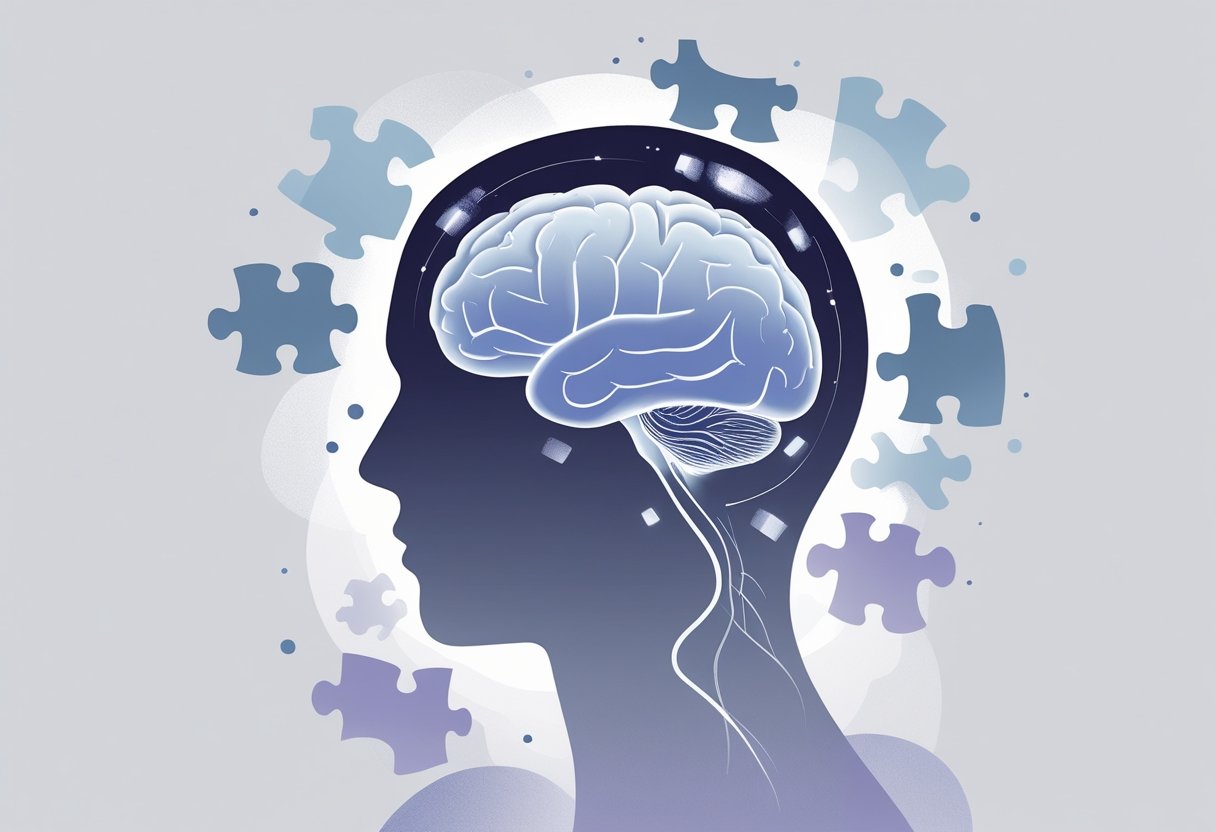
Depression can have a profound impact on various aspects of your life, including your cognitive abilities. Research shows that depression can indeed lead to significant memory problems, affecting both short-term and long-term recall. This connection between depression and memory issues can leave you feeling frustrated and overwhelmed, especially if you’re already grappling with emotional distress.
Understanding how depression influences your memory is essential for managing these symptoms effectively. Many individuals experience difficulties with focus and attention, which in turn can lead to lapses in memory. If you find yourself struggling to remember daily tasks or important information, it could be linked to underlying depressive symptoms.
If you’re encountering these challenges, you may benefit from professional support to address both your emotional well-being and cognitive concerns. Tides Mental Health offers tailored therapy options focusing on anxiety and depression, with both virtual and in-person sessions available in the Chicago area. Seeking help can provide you with effective strategies to improve your memory and overall mental health.
Understanding the Link Between Depression and Memory Problems
The relationship between depression and memory issues may manifest in various ways, affecting different aspects of cognitive function. Understanding how depression influences memory can provide insight into both symptoms and potential treatment avenues.
How Depression Affects Memory
Depression has a profound impact on memory due to its effect on brain chemistry and structure. When you experience depression, your brain releases higher levels of cortisol, which can disrupt cognitive functions. This stress hormone has been linked to damage in regions vital for memory, such as the hippocampus and prefrontal cortex.
As a result, you may find it difficult to encode and retrieve memories effectively. Individuals often report memory complaints, expressing challenges with focusing or recalling information. These symptoms can make everyday tasks more daunting, from remembering appointments to retaining new information.
Types of Memory Impacted
Several types of memory can be impacted by depression, particularly short-term memory and working memory. Short-term memory loss involves the ability to hold and manipulate information temporarily, such as remembering a phone number long enough to dial it. This function may deteriorate, making simple tasks seem next to impossible.
Working memory, which helps you process and utilize information simultaneously, is also affected. This impairment can lead to difficulty organizing thoughts and completing tasks, exacerbating feelings of frustration or inadequacy. Understanding these specific types of memory loss can aid in recognizing the cognitive challenges caused by depression.
Cognitive Impairment and Brain Changes
Cognitive impairment accompanying depression can significantly hinder daily life. Research indicates that neurotransmitter imbalances, including serotonin and dopamine, play a crucial role in cognitive function. Inflammation within the brain may also contribute to these issues and affect your ability to think clearly.
Structural changes, especially in the hippocampus, can further impair memory retention and retrieval. This complex interplay of physiological and psychological factors heightens the risk of developing long-term cognitive deficits if depression remains untreated. Seeking timely and effective treatment can help mitigate these effects and support improved brain function. For those navigating these challenges, Tides Mental Health offers both virtual and in-person support options tailored to your needs.
Specific Memory Issues Associated With Depression
Depression can significantly impact various aspects of memory. Individuals often face specific challenges that can interfere with their daily lives, particularly in cognitive functions related to memory. Understanding these issues can help identify and address them effectively.
Short-Term Memory Difficulties
People experiencing depression frequently report difficulties with short-term memory. This often manifests as forgetfulness in everyday tasks, such as misplacing items or forgetting important appointments. You might find it challenging to retain information that is presented quickly or to remember new names shortly after being introduced. These short-term memory lapses can stem from problems with attention and concentration, which are common symptoms of depression. When your mind is preoccupied with negative thoughts or emotions, it becomes harder to process and recall information effectively.
Episodic and Autobiographical Memory Impairment
Episodic memory, which involves the recall of specific events and experiences, can also be affected by depression. You may struggle to remember important life events or personal milestones, leading to feelings of disconnection from your past. This impairment often results from changes in mood and cognition associated with depression, blocking the neurochemical processes needed for memory formation. Autobiographical memory, which is closely tied to your sense of self, can feel diminished, making it difficult to draw on past experiences for motivation or comfort.
Prospective Memory Challenges
Prospective memory refers to your ability to remember to perform planned actions in the future, such as taking medication or attending a meeting. This aspect of memory is critical for maintaining daily routines and responsibilities. Depression can hinder your prospective memory, leading to missed obligations and additional stress. You may find it hard to remember tasks or deadlines, which can exacerbate feelings of inadequacy or frustration. Techniques such as using reminders or lists can help mitigate these challenges, but addressing the underlying depressive symptoms is crucial for long-term improvement.
Difficulty Concentrating and Focusing
Difficulty concentrating is a prevalent issue for many dealing with depression. You may experience a reduced ability to focus on tasks or process information, leading to increased forgetfulness. This can create a cycle where decreased concentration contributes to memory problems, further adding to the emotional burden. Factors such as fatigue and low motivation often accompany this symptom, making it challenging to engage in activities that require sustained attention. Implementing strategies to improve concentration, such as setting specific goals and breaking tasks into smaller steps, can help improve both concentration and memory.
Underlying Biological and Psychological Mechanisms
Understanding how depression leads to memory problems involves exploring key biological and psychological mechanisms. Various brain regions, including the hippocampus and prefrontal cortex, play essential roles in memory. Additionally, stress and inflammation significantly impact brain health, along with neurotransmitter systems that affect mood and cognitive functions.
Hippocampal and Prefrontal Cortex Effects
The hippocampus is crucial for memory consolidation. In individuals with depression, neurogenesis in the hippocampus can be inhibited, leading to difficulties in forming and recalling memories. Additionally, the prefrontal cortex, responsible for higher cognitive functions, can show reduced activity in depressed individuals. This decline affects your ability to plan, reason, and retain information, which can exacerbate memory issues. Research suggests that stress can further impair these brain regions, compounding the effects on memory and cognitive function.
Role of Stress, Cortisol, and Inflammation
Elevated stress levels lead to increased cortisol production, a hormone that significantly impacts brain function. Chronic high cortisol can damage the hippocampus, impairing memory consolidation and retrieval. Inflammation is another critical player; studies indicate that inflammatory markers are often elevated in individuals with depression. These inflammatory processes can disrupt neurotransmission and synaptic plasticity, further negatively impacting your memory capabilities. Addressing stress and inflammation is essential for restoring cognitive health and improving memory functions.
Neurotransmitter Imbalances
Neurotransmitters such as serotonin, dopamine, and glutamate play vital roles in mood regulation and cognitive processes. In depression, imbalances in these neurotransmitters can hinder the brain’s ability to form and retrieve memories effectively. For instance, low serotonin levels are associated with depressed mood and cognitive difficulties. Additionally, glutamate, responsible for synaptic plasticity, may be dysregulated in individuals with depression, affecting learning and memory. Correcting these imbalances through therapy, lifestyle changes, or medication may help improve cognitive function and alleviate memory problems.
Distinguishing Depression-Related Memory Loss From Dementia
Understanding the differences between depression-related memory loss and dementia is crucial for effective diagnosis and treatment. Key indicators and cognitive patterns differentiate these conditions, influencing the path to recovery and management.
Cognitive Decline and Pseudodementia
Cognitive decline associated with depression can often be mistaken for dementia, a condition characterized by significant memory impairments. This phenomenon, known as pseudodementia, reflects how depression impacts cognitive function.
In pseudodementia, individuals typically report memory complaints that arise from difficulties in concentration and focus rather than genuine memory loss. Short-term memory issues are common, and these problems often improve with effective treatment for depression. In contrast, dementia-related memory loss tends to worsen over time and involves more profound impairments in daily functioning.
Key Identifiers of Pseudodementia:
- Rapid response to treatment: Memory functions may improve significantly once depression is managed.
- Self-awareness of issues: Individuals often recognize their memory challenges more than those with dementia.
- Concentration issues: Difficulty in concentrating can mask short-term memory function.
Depression and Dementia Risk
While depression itself does not cause dementia, it can increase the risk of developing cognitive decline and related disorders. Studies demonstrate that persistent depressive symptoms can lead to changes in brain structure and function, ultimately heightening the likelihood of dementia.
The National Child Development Study has illustrated this link between depression in mid-life and subsequent cognitive decline, emphasizing the importance of treatment. Recognizing and addressing depression early can be vital in preventing later cognitive impairments.
Risk Factors Include:
- Chronicity of depression: Longer episodes may significantly contribute to neurological changes.
- Age factor: Older adults are particularly vulnerable to both depression and dementia, which highlights the need for early detection.
Assessment and Long-Term Studies
Proper assessment is key to distinguishing between depression-related memory issues and dementia. Clinical evaluations often involve cognitive tests and patient interviews to clarify the type and severity of memory complaints.
Long-term studies have provided insight into the relationship between these two conditions. Research indicates that patients with depression may experience reversible cognitive impairments if treated early. Engaging in therapeutic practices, such as those offered by Tides Mental Health, can be beneficial for individuals experiencing anxiety or depression.
Tools for Assessment:
- Cognitive assessments: Tests that evaluate memory function and problem-solving capabilities.
- Patient history: A thorough analysis of past mental health issues can provide context.
- Monitoring changes: Regular follow-ups help track cognitive progress over time.
Addressing these concerns with a knowledgeable professional helps ensure appropriate treatment pathways and enhances mental well-being.
Treatment Approaches and Management Strategies
Effective treatment for memory issues connected to depression involves a multifaceted approach. Addressing underlying conditions, utilizing therapeutic options, implementing lifestyle changes, and supporting cognitive recovery are all vital components to improving memory and overall well-being.
Addressing Underlying Depression
The first step in managing memory problems related to depression is to treat the depression itself. This often involves a combination of therapies. Cognitive Behavioral Therapy (CBT) is a widely recognized form of treatment that helps you identify and change negative thought patterns. Additionally, antidepressants, particularly SSRIs, can be crucial in restoring chemical balance in the brain. Working with a therapist can provide you with coping strategies that directly improve both emotional health and cognitive functions. Regular monitoring by a healthcare provider is essential in adjusting your treatment approach as needed.
Therapeutic and Medication Options
Incorporating various therapeutic techniques can enhance recovery from both depression and memory impairment. Cognitive therapy focuses on enhancing mental clarity and promoting healthier thought processes. Medications like SSRIs can reduce depressive symptoms, which may lead to improved focus and memory. If you find standard treatments ineffective, exploring options for treatment-resistant depression with your healthcare provider is necessary. Collaborating with a mental health professional can ensure you find the right mix of therapy and medication tailored specifically to your needs.
Lifestyle Changes and Memory Aids
Incorporating lifestyle changes can significantly support your cognitive health. Engaging in regular aerobic exercise, which has been shown to improve brain function and reduce depressive symptoms, is essential. Additionally, practices such as mindfulness meditation can enhance focus and reduce stress. Implementing memory aids, such as planners or smartphone reminders, can also help you manage daily tasks and improve memory retention. Prioritizing quality sleep is another crucial aspect; sleep disturbances can greatly affect cognitive function and emotional stability.
Supporting Cognitive Recovery
Supporting cognitive recovery involves utilizing techniques that stimulate your brain and reinforce memory pathways. In addition to therapies and medications, consider engaging in mentally stimulating activities, such as puzzles or reading, which can enhance cognitive skills. Stress management techniques, such as deep breathing exercises or yoga, can improve your emotional health and help you concentrate better. Connecting with support groups can also enhance your recovery experience, providing you with peer encouragement and shared coping strategies. For those in the Chicago area, Tides Mental Health offers resources that focus on comprehensive support for both emotional and cognitive health challenges.
Frequently Asked Questions
Memory problems associated with depression can vary in their manifestation and severity. Understanding these aspects can help you recognize the signs and seek appropriate interventions. Below are common questions regarding memory loss in individuals dealing with depression.
How does memory loss manifest in individuals with depression?
Memory loss in individuals with depression often presents as difficulty concentrating, remembering details, or retaining new information. You may find that recalling names, dates, or even everyday tasks becomes a challenge. These issues can range from minor lapses in memory to more significant cognitive impairments impacting daily life.
Are there specific treatments for memory loss associated with depression?
Treatment options for memory loss related to depression typically focus on addressing the underlying depressive symptoms. Therapy modalities such as cognitive behavioral therapy (CBT) can be effective. Medication may also play a role in managing depression, which can subsequently help alleviate cognitive issues.
What is the connection between depression and anxiety in relation to memory loss?
Depression and anxiety frequently coexist, and both can adversely affect memory. Research indicates that anxiety may exacerbate difficulties with attention and focus, further contributing to memory issues. Managing both conditions through therapy or other interventions can improve cognitive function.
Does the experience of trauma influence depression-related memory loss?
Experiencing trauma can significantly impact mental health and lead to an increased risk of depression. This link may contribute to memory loss, particularly in recalling the traumatic event itself. Therapy focused on trauma, such as eye movement desensitization and reprocessing (EMDR), can help address these memory issues.
How might memory loss differ in men and women who are dealing with depression?
Research suggests that men and women may experience memory loss differently when coping with depression. Women often report more significant concerns related to memory, while men may exhibit more behavioral symptoms of depression that can also affect cognitive functioning. Understanding these differences can aid in tailoring effective treatment approaches.
What tests are available to assess memory loss in people suffering from depression?
Several cognitive assessments can be conducted to evaluate memory function in those with depression. Common tests include the Mini-Mental State Examination (MMSE) and the Montreal Cognitive Assessment (MoCA). These assessments can help healthcare providers determine the extent of memory impairment and guide treatment decisions.
For those seeking support in managing symptoms of depression and associated memory issues, consider exploring therapy options offered by Tides Mental Health, particularly if you reside in the Chicago area. With a focus on addressing both anxiety and depression, you can find effective solutions tailored to your needs.