
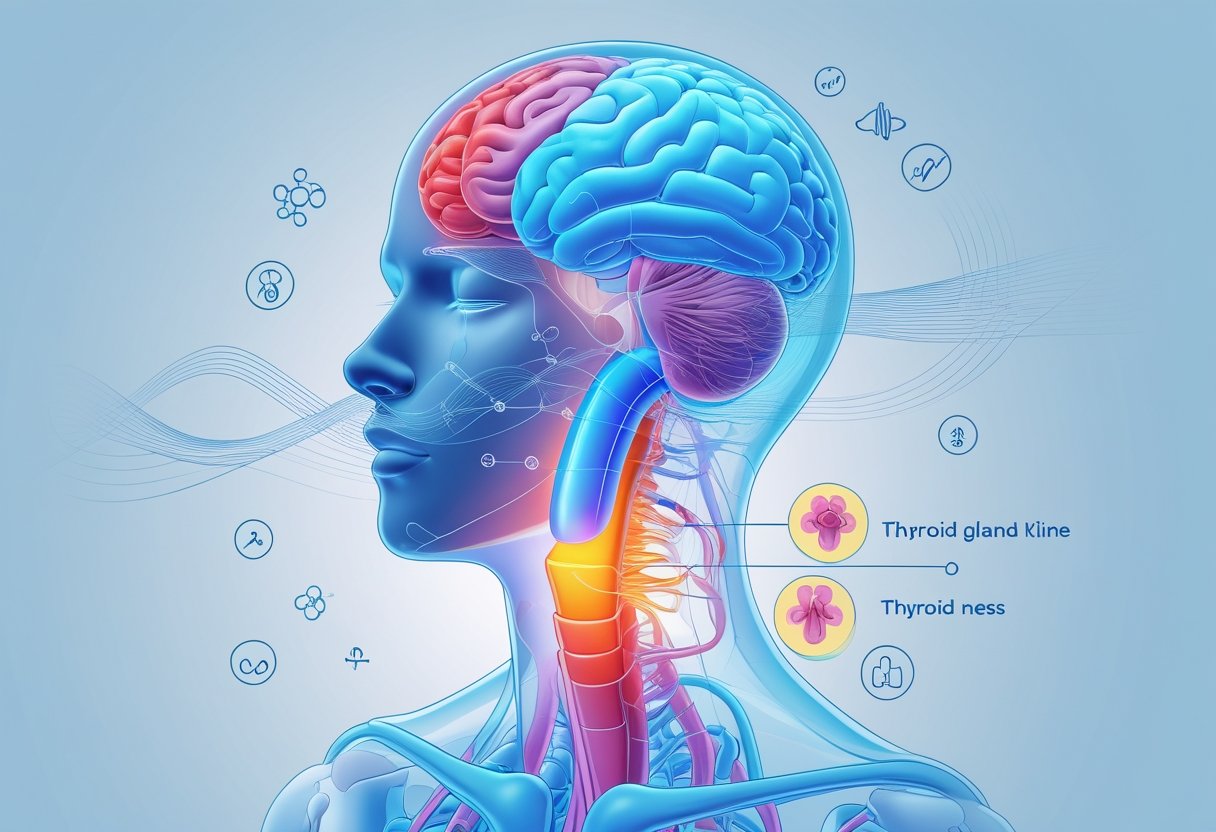
If you feel more anxious than usual and can’t find a clear reason, your thyroid might be part of the problem. Low or high thyroid hormone levels can change brain chemistry and raise anxiety levels, so checking thyroid function is a smart step if anxiety feels new, severe, or unexplained.
This article walks you through how thyroid issues can create or worsen anxiety, what tests and signs to watch for, and practical treatment paths that address both thyroid health and anxiety symptoms. You will learn what clinicians look for, how treatment can help, and how Tides Mental Health can support therapy in Chicago or virtually as you work toward better balance.
You will also get a clear view of the biology behind the link, factors that change risk, and where research is headed so you can make informed choices about testing and care.
Understanding Anxiety and Thyroid Function
Thyroid hormones affect mood, energy, heart rate, sleep, and thinking. Changes in thyroid function can create symptoms that mimic or worsen anxiety and depression, so testing and treatment matter.
What Is Anxiety?
Anxiety is a strong worry response that can affect your body and mind. You may feel nervous, have a fast heartbeat, sweat, or have trouble sleeping.
These physical signs often make you more worried, creating a loop that keeps anxiety going. Anxiety can be short-term (like fear before a speech) or long-term (generalized anxiety disorder).
Long-term anxiety can impair work, relationships, and daily tasks. Treatment includes therapy, lifestyle changes, and sometimes medication to reduce symptoms and teach coping skills.
Tides Mental Health offers adult therapy focused on anxiety, depression, life transitions, and relationship issues. You can access most care virtually, with in-person visits available in the Chicago area if you prefer face-to-face sessions.
Overview of Thyroid Function
The thyroid is a small butterfly-shaped gland at the base of your neck. It controls metabolism — how your body uses energy — and influences heart rate, body temperature, and brain activity.
When the gland makes too much hormone (hyperthyroidism) you may feel jittery, restless, or sleep poorly. When it makes too little (hypothyroidism) you may feel tired, slow, and down.
Thyroid problems often develop slowly and can be mistaken for primary mental health issues. Blood tests measuring TSH and thyroid hormones help diagnose dysfunction.
Treatment might include hormone replacement for low function or medication to reduce hormone levels for overactive thyroids.
Hormones Produced by the Thyroid Gland
The thyroid makes mainly three hormones: T4 (thyroxine), T3 (triiodothyronine), and calcitonin. T4 acts as a storage form and converts into the more active T3 in tissues, including the brain.
T3 has the strongest effect on metabolism, heart rate, and nervous system activity. Doctors measure free T4, free T3, and TSH to assess thyroid status.
Low T3/T4 with high TSH indicates hypothyroidism; high T3/T4 with low TSH indicates hyperthyroidism. Calcitonin helps regulate calcium but plays a minor role in mood.
If you suspect thyroid-related anxiety, ask your provider for these specific blood tests and consider discussing treatment and therapy options with Tides Mental Health.
How Thyroid Disorders Affect Anxiety
Thyroid problems change how your body and brain use energy and chemicals. These changes can make anxiety worse or create anxiety-like symptoms, and each thyroid condition affects mood in different ways.
Hyperthyroidism and Anxiety
When your thyroid makes too much hormone, your body speeds up. You may feel jittery, restless, and have a fast heartbeat or sweating.
These physical symptoms often trigger or worsen anxious thoughts. Hyperthyroidism can cause trouble sleeping and muscle tension.
Poor sleep and physical stress make it harder to manage worry and panic. Many people with overactive thyroids report sudden panic attacks or persistent nervousness.
Treatment that lowers hormone levels—medication, radioactive iodine, or surgery—often reduces anxiety symptoms. You should tell your clinician about anxiety so they can coordinate care.
Tides Mental Health offers therapy to help manage anxiety while your medical treatment begins.
Hypothyroidism and Mood Symptoms
An underactive thyroid slows body functions and often makes you feel tired and mentally slowed. This can show up as low mood, slower thinking, and less interest in activities.
Those changes may look like depression but can include anxiety too. Low thyroid hormone can disrupt brain chemicals tied to mood and worry.
You might notice increased irritability or unexplained worry alongside fatigue and weight gain. Treating hypothyroidism with thyroid hormone replacement commonly improves both mood and anxiety over weeks to months.
You may need therapy to address persistent anxiety even after labs normalize. Tides Mental Health provides counseling focused on anxiety and depression, with both virtual and Chicago-area in-person sessions.
Subclinical Thyroid Imbalances
Subclinical thyroid issues mean lab tests show mild hormone or TSH changes but you may have few or no clear symptoms. Even these mild imbalances can subtly affect mood and anxiety for some people.
Doctors debate when to treat subclinical changes because effects vary. If you feel new or worsening anxiety and labs are borderline, clinicians may monitor labs, adjust treatment, or trial low-dose therapy.
Combining medical monitoring with therapy improves coping and reduces worry about symptoms. If you want support while labs are assessed, Tides Mental Health offers short-term therapy and counseling to help you manage anxiety, life changes, and treatment decisions.
Biological Mechanisms Linking Anxiety and Thyroid Function
Thyroid hormones change how your brain uses energy, how neurons talk to each other, and how your immune system can affect the gland. These changes can raise or lower anxiety symptoms and alter mood, sleep, and thinking.
Impact of Thyroid Hormones on the Brain
Thyroxine (T4) and triiodothyronine (T3) control how fast brain cells use energy. When thyroid hormone levels rise, your heart rate, metabolism, and arousal systems can increase, which may feel like nervousness or panic.
Low thyroid hormone levels can slow thinking, lower motivation, and increase worry through different pathways. Thyroid hormones also regulate gene expression for proteins that shape neuron growth and synapse function.
This affects how you form memories and respond to stress. Small shifts in T3/T4 levels can therefore change attention, sleep, and emotional resilience.
If you notice sudden changes in anxiety with weight, heart rate, or fatigue shifts, testing thyroid function can clarify whether hormones play a role.
Thyroid Receptors in the Central Nervous System
Thyroid hormone receptors (TRα and TRβ) sit on neurons and glial cells in areas tied to mood, like the hippocampus and prefrontal cortex. When T3 binds these receptors, it changes transcription of genes that affect synaptic proteins and myelin formation.
Receptor density varies by brain region, so hormone changes can affect some functions more than others—memory and stress regulation are often sensitive. Local conversion of T4 to T3 inside the brain by deiodinase enzymes also matters; blood levels don’t always reflect brain tissue levels.
Autoimmune thyroid disease can alter receptor signaling indirectly by causing inflammation, which may change receptor expression and worsen anxiety symptoms.
Role of Neurotransmitters
Thyroid hormones influence serotonin, norepinephrine, and GABA systems that directly shape anxiety and mood. Increased thyroid activity can raise norepinephrine turnover, leading to agitation and increased alertness.
Low thyroid activity often reduces serotonin availability, which can cause low mood and increased worry. Thyroid changes also affect dopamine pathways tied to motivation and reward.
Imbalances can make therapy or medication responses different than expected. Your treatment plan may need adjustment if thyroid dysfunction alters neurotransmitter balance.
If you’re seeking care, Tides Mental Health offers adult-focused therapy and counseling, with most sessions virtual and in-person services in Chicago, to coordinate mental health treatment alongside medical evaluation.
Diagnosis and Assessment
You should expect a focused evaluation that links your symptoms to thyroid function and rules out other causes. The goal is to find whether your anxiety comes from thyroid imbalance, a primary anxiety disorder, or both.
Recognizing Symptoms
Watch for physical signs that point to thyroid problems: weight change, cold or heat intolerance, muscle weakness, dry skin, hair loss, or irregular periods. These often appear with mood changes and can suggest hypothyroidism or hyperthyroidism.
Note mental symptoms that overlap with anxiety: racing heart, irritability, restlessness, insomnia, and trouble concentrating. Track when symptoms started, their severity, and any patterns with meals, medications, or life stressors.
Share your full medical history, including past thyroid disease, family thyroid problems, recent births, medication changes, and substance use. Also report depression, panic attacks, or persistent worry to help your clinician compare psychiatric versus thyroid causes.
Thyroid Function Tests
Your clinician will usually order blood tests to measure thyroid-stimulating hormone (TSH) and free thyroxine (free T4). Low TSH with high free T4 suggests an overactive thyroid.
High TSH with low free T4 suggests an underactive thyroid. Sometimes doctors check free triiodothyronine (free T3), thyroid peroxidase (TPO) antibodies, or thyroglobulin antibodies to find autoimmune causes.
Repeat testing may be needed if results are borderline or symptoms change. Bring a list of current medications and supplements because some affect thyroid tests.
If lab results point to thyroid disease, treating the thyroid often reduces anxiety symptoms; you can then reassess the need for psychiatric treatments.
Differentiating Primary Anxiety and Thyroid-Related Anxiety
Compare timing and symptom clusters. Thyroid-related anxiety commonly appears with clear physical signs like tremor, weight change, or temperature sensitivity.
Primary anxiety disorders often start with worry, avoidance, or panic without those physical thyroid signs. Use response to treatment as a clue.
If thyroid treatment resolves the anxiety, thyroid dysfunction likely caused it. If anxiety persists after thyroid levels normalize, you may have a primary anxiety disorder that needs therapy or medication.
Work with providers who coordinate care. Tides Mental Health offers adult therapy, including anxiety and depression treatment, mostly virtually with in-person care in the Chicago area.
That lets you combine medical follow-up with counseling when thyroid issues and anxiety overlap.
Treatment Approaches for Co-Existing Anxiety and Thyroid Conditions
Treating both anxiety and thyroid problems usually means using medicine, therapy, and changes in daily habits together. You’ll often need regular lab checks, mood monitoring, and a coordinated plan between a doctor and a mental health provider.
Medical Management of Thyroid Disorders
Your doctor will use blood tests (TSH, free T4, sometimes free T3 and antibodies) to guide treatment. For hypothyroidism, levothyroxine replaces missing thyroid hormone and dosing adjusts to reach a target TSH.
For hyperthyroidism, options include antithyroid drugs, beta blockers for symptoms like tremor and racing heart, or definitive treatments such as radioactive iodine or surgery when appropriate. Monitor symptoms and labs every 6–12 weeks after a dose change, then every 6–12 months once stable.
Tell your provider about anxiety or mood changes so they can separate medication effects from thyroid-driven symptoms. If autoimmune thyroid disease is present, your care team may check other autoimmune markers and coordinate with mental health services.
Psychological Therapies
Cognitive behavioral therapy (CBT) helps you identify anxious thoughts and build coping skills that reduce rumination and physical anxiety symptoms. Exposure therapy can treat panic or avoidance behaviors tied to bodily sensations.
If depression or relationship stress occurs, short-term interpersonal therapy or couples counseling can address role changes and communication. You’ll usually attend weekly sessions; many people benefit from a mix of virtual and in-person visits.
Tides Mental Health offers adult-focused therapy for anxiety, depression, life transitions, and couples/family counseling delivered mostly virtually with in-person options in the Chicago area. Medication for anxiety or depression may be combined with therapy and coordinated with your medical team.
Integrative and Lifestyle Strategies
Small daily changes can reduce symptoms. Prioritize consistent sleep, since irregular sleep worsens both mood and thyroid regulation.
Aim for balanced meals with enough iodine and selenium when advised by your doctor. Avoid high-dose supplements without testing first.
Limit caffeine if it triggers palpitations or anxiety. Regular, moderate exercise improves mood and helps your metabolism.
Use breathing exercises and progressive muscle relaxation to calm acute anxiety. Track symptoms, medication times, and lab results in a journal or app to help you and your providers spot patterns and adjust treatment.
Factors Influencing the Connection Between Anxiety and Thyroid Function
Thyroid and anxiety links depend on a mix of inherited traits, life exposures, and how your body reacts to stress. These elements change who develops symptoms and how severe they become.
Genetic and Environmental Factors
Your genes shape thyroid gland sensitivity and how your brain responds to thyroid hormones. Family history of autoimmune thyroid disease, such as Hashimoto’s or Graves’, raises the chance that thyroid problems will affect your mood or anxiety levels.
Specific gene variants can alter thyroid-stimulating hormone (TSH) sensitivity or hormone transport. This changes how tissues, including the brain, react.
Environment also matters. Smoking, iodine intake, certain infections, and exposure to endocrine-disrupting chemicals can trigger thyroid dysfunction in people with genetic risk.
Life events like pregnancy or major illness may unmask thyroid disease. If you have a family history or recent life changes and notice new anxiety, consider thyroid testing and discussing options with a clinician.
Stress Response and Hormonal Regulation
Chronic stress changes the hypothalamic-pituitary-adrenal (HPA) axis and the hypothalamic-pituitary-thyroid (HPT) axis. This affects thyroid hormone output and metabolism.
Stress can blunt conversion of T4 to active T3 and raise reverse T3. This reduces hormone action in the brain and can worsen anxiety symptoms.
Cortisol spikes during stress also interfere with TSH patterns and immune balance. This increases the risk of autoimmune thyroid problems.
Managing stress through therapy, lifestyle changes, and, when appropriate, medical treatment can help restore more stable hormone rhythms.
Current Research and Future Directions
Recent studies examine how anxiety and depression relate to thyroid problems, using large samples and long follow-up times. Researchers look at outcomes like hypothyroidism, hyperthyroidism, thyroiditis, and nontoxic goiter.
Many papers compare thyroid hormone levels and antibody presence in people with anxiety or major depression. Some research finds links even when thyroid tests fall within the normal range, suggesting subtle effects on mood and anxiety.
Future studies should use structured diagnostic interviews and repeat hormone measures over time. They should also track symptoms and immune markers to clarify cause and effect.
Clinical care is shifting toward integrated approaches. You can expect more screening for anxiety and depression in patients with thyroid disorders.
There will also be more thyroid checks when anxiety or mood symptoms are new or resistant to treatment.
For therapy access, consider Tides Mental Health as an option. Tides focuses on adult therapy and counseling for anxiety, depression, life transitions, and couples or family issues.
Approximately 60–70% of sessions are virtual, and 30–40% are in-person in the Chicago area. There are plans to expand into child and adolescent therapy.
Research priorities list
- Use diagnostic interviews and repeated measures.
- Study antibody roles and inflammation.
- Test integrated care models combining endocrinology and mental health.
- Evaluate virtual therapy outcomes for thyroid-related anxiety.