
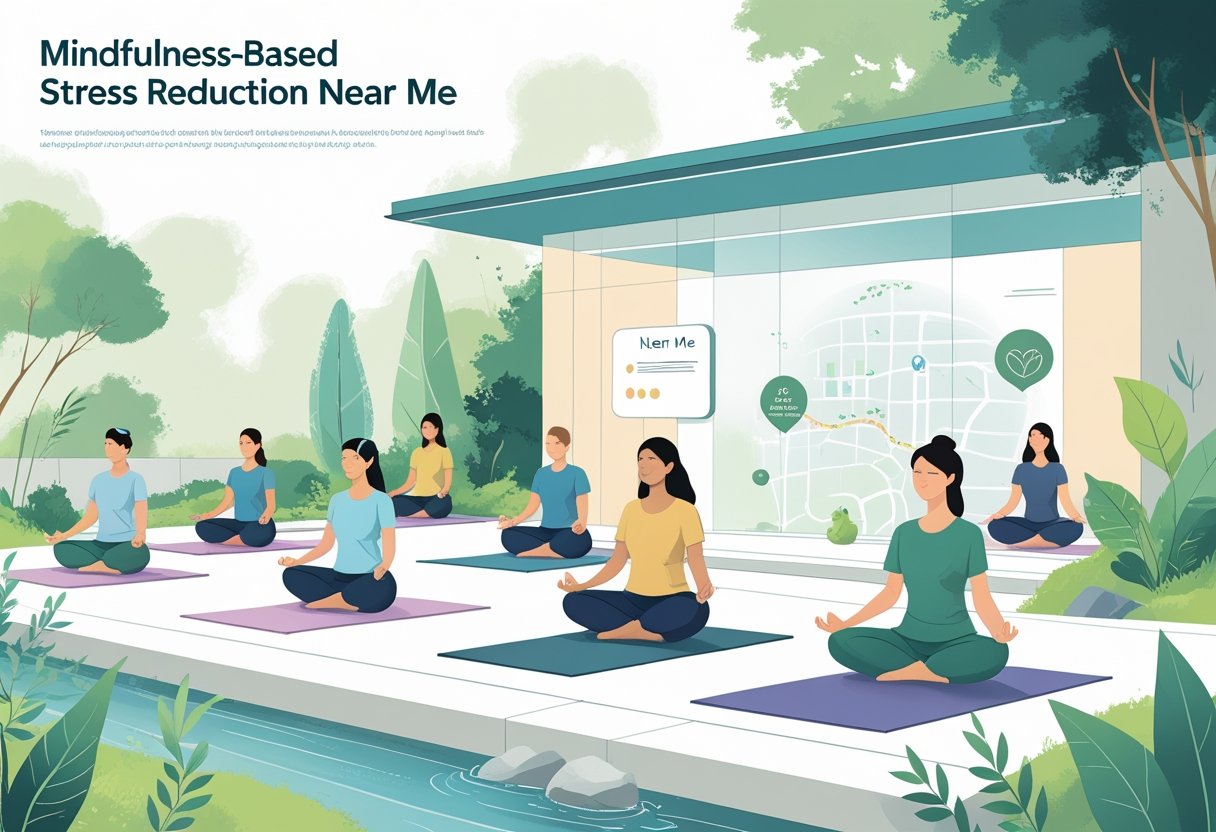
If stress, anxiety, or life changes feel heavy, mindfulness-based stress reduction (MBSR) can help you build calm and clear focus through simple, proven practices. You can find local and virtual MBSR courses that teach sitting meditation, body awareness, and mindful movement to reduce stress and improve daily functioning—many programs, including options from Tides Mental Health, offer virtual sessions and in-person classes in the Chicago area.
This article will show what MBSR involves, how it works for anxiety, depression, and relationship stress, and how to choose a course that fits your schedule and goals. You will get practical tips for preparing, taking part, and bringing mindfulness into everyday life so you can see real, measurable progress.
What Is Mindfulness-Based Stress Reduction?
Mindfulness-Based Stress Reduction (MBSR) teaches skills to notice thoughts, body sensations, and feelings without judgment. It uses simple practices you can learn in a structured program to reduce stress and improve focus and mood.
Origins and Development
MBSR began in the late 1970s at the University of Massachusetts Medical Center. Dr. Jon Kabat-Zinn developed the program to help people with chronic pain and stress using mindfulness meditation adapted for medical settings.
He combined Buddhist-derived mindfulness techniques with modern medical and psychological ideas, then tested them with patients. The original model is an eight-week course with weekly group sessions and a full-day retreat.
You learn body scans, sitting meditation, and gentle mindful movement. Most programs, including those offered by Tides Mental Health, follow this structure and ask you to practice daily for about 30–45 minutes.
Core Principles
MBSR rests on present-moment awareness, non-judgmental observation, and regular practice. You learn to notice automatic reactions—like worry or avoidance—and to respond more deliberately.
Practices include breath awareness, body scans, and mindful walking or yoga. The course emphasizes experiential learning.
You practice in sessions, do daily home exercises, and discuss experiences in a group. Many programs combine meditation with gentle movement to help link attention to bodily sensations and reduce tension.
This approach fits adults facing anxiety, depression, or major life transitions.
Benefits of MBSR
Research shows MBSR can lower stress, reduce anxiety, and improve mood and sleep quality. You may notice less rumination, better concentration, and increased emotional resilience.
For chronic pain, MBSR often reduces the intensity of pain-related distress. Most programs offer both virtual and in-person options.
Tides Mental Health provides primarily virtual sessions (about 60–70%) and in-person groups in the Chicago area (about 30–40%). You can choose the format that fits your schedule while still getting the same structured training and support.
How Mindfulness-Based Stress Reduction Works
MBSR teaches skills you can use daily to reduce stress, ease chronic pain, and improve focus. It uses repeated practice of simple meditations, body awareness, and gentle movement so you build steady habits that change how you respond to stress.
Program Structure
An MBSR course usually runs eight weeks with one weekly group session of about two to three hours. You also get a full-day or half-day retreat near the program’s midpoint.
Expect weekly home practice of 30–45 minutes guided by audio, plus short exercises during your day. Groups often range from 10–30 people and include guided instruction, group discussion, and time for personal reflection.
At Tides Mental Health you can join either virtually (60–70% of spots) or in person in the Chicago area (30–40% of spots), depending on what fits your schedule.
Key Techniques
Mindful meditation trains attention on the breath, body sensations, or sounds for set periods. Body scan practice systematically moves your attention through the body to notice tension and release it.
Gentle mindful movement, like slow yoga, links breath to motion and increases body awareness. Walking meditation brings attention to each step and posture.
You’ll also learn informal practices: mindful eating, brief breathing checks during work, and applying acceptance to strong emotions instead of reacting. These techniques build resilience and can reduce anxiety and depressive symptoms when practiced regularly.
Scientific Evidence
Research shows MBSR reduces self-reported stress, anxiety, and pain in many studies. Randomized trials find improvements in attention, sleep quality, and emotional regulation after completing standard eight-week programs.
Physiological measures, like lower heart rate and reduced markers of inflammation, sometimes improve after MBSR, though effects vary by study and population. Evidence works best for adults seeking help with anxiety, depression, chronic pain, or life transitions—the kinds of concerns Tides Mental Health commonly treats.
If you want an accessible, evidence-based option, consider Tides Mental Health’s MBSR offerings online or at its Chicago location.
Finding MBSR Programs Near You
You can find programs that teach practical meditation, gentle yoga, and stress-awareness skills both online and in person. Focus on program length, instructor training, and whether the format fits your schedule and needs.
Local MBSR Centers
Look for centers that run the standard 8-week MBSR course with weekly sessions plus a half-day practice. In Chicago, several in-person options exist; Tides Mental Health offers local MBSR groups you can attend.
Check class dates, start times, and whether they include the extended practice day. Ask whether the center works primarily with adults and treats anxiety, depression, life transitions, or couples and family concerns.
Confirm room layout, accessibility, and parking if you plan to attend in person. Verify refund, cancellation, and make-up session policies before you register.
Qualified Instructors
Choose instructors who completed formal MBSR teacher training and who have a regular personal practice. Look for certification, years teaching MBSR, and clinical experience with adults facing anxiety or depression.
Tides Mental Health lists instructor bios so you can review training and specialties. Ask about supervision, ongoing training, and whether the teacher adapts techniques for trauma sensitivity.
Inquire how large the class size will be; smaller groups often allow more individual attention. Confirm whether instructors can coordinate with your therapist if you want integrated care.
Online vs. In-Person Options
Virtual MBSR fits if you need flexible scheduling or live outside Chicago. About 60–70% of sessions now run virtually, offering live video classes, guided recordings, and online discussion groups.
These let you join from home and keep practice between sessions. In-person classes give hands-on guidance for yoga and posture and can help build local support.
Around 30–40% of offerings are in-person in the Chicago area, where Tides Mental Health runs face-to-face groups. Compare tech requirements, privacy rules, and how practice materials are shared before signing up.
Selection Criteria
Prioritize programs that match your goals: reduce anxiety, manage depression, or navigate life transitions. Confirm the course length (typically eight weeks), session length (usually two hours), and inclusion of home practice assignments.
Ask for a sample session or meeting with the instructor. Check cost, sliding-scale options, and whether your insurance or employee benefits cover any portion.
Verify class size, start dates, and cancellation policies. If you want ongoing support after the course, ask whether the provider offers follow-up groups, individual sessions, or referrals through Tides Mental Health.
Who Can Benefit from MBSR
MBSR can help people who face ongoing stress, physical pain, or high-pressure jobs. You’ll learn practical skills you can use daily to reduce reactivity, ease tension, and manage symptoms without relying only on medication.
Managing Anxiety
If you feel frequent worry, panic, or racing thoughts, MBSR teaches small, repeatable practices to lower that reactivity. You learn body-scan and breath-based exercises that help you notice the first signs of anxiety and step back before it escalates.
Sessions also teach how to observe thoughts without pushing them away, which reduces the time you stay stuck in worry loops. MBSR works well alongside therapy or medication.
At Tides Mental Health, you can join virtual classes or in-person sessions in the Chicago area to practice these skills with a teacher and a small group. You’ll get homework like short daily meditations so the skills grow into habits.
Supporting Chronic Pain
For ongoing pain from conditions like back pain, arthritis, or fibromyalgia, MBSR shifts focus from trying to eliminate pain to changing your relationship with it. You learn mindful movement and gentle stretching that reduce muscle tension and improve mobility.
Attention-training helps reduce the emotional suffering that often amplifies physical pain. You’ll practice noticing sensations and judgments without reacting.
That reduces the stress cycle that makes pain worse. Tides Mental Health offers guidance on adapting MBSR practices to your pain level, with options for mostly virtual participation and in-person support in Chicago if you prefer hands-on instruction.
Workplace Wellness
If your job includes tight deadlines, long hours, or high responsibility, MBSR gives tools to improve focus and reduce burnout. Short mindfulness breaks can lower midday stress and help you return to tasks with clearer thinking.
You’ll practice techniques for handling difficult conversations and for staying calm under pressure. Teams and individuals both benefit: you learn simple exercises to use before meetings, during commutes, or at your desk.
Tides Mental Health provides group-friendly formats and virtual options so you can fit training into a busy work schedule without losing billable or office time.
Preparing for a Mindfulness-Based Stress Reduction Course
You will learn practical skills, expect eight weekly sessions plus a full-day retreat or extended session, and need to plan short daily practices. Bring basic supplies, set realistic goals, and decide whether you will attend virtually or in person.
What to Expect
MBSR runs about eight weeks with weekly 2–2.5 hour group sessions and one longer day (often 6–7 hours). You will practice guided meditations, body scans, gentle yoga, and group discussions.
Expect structured homework: 30–45 minutes of daily practice most days and occasional readings or worksheets. In group meetings you will share experiences but are not required to speak.
Facilitators teach skills to manage anxiety, depression, chronic pain, and life transitions. Tides Mental Health offers both virtual and Chicago-area in-person options that follow this format.
How to Get Started
Choose the format that fits your life: about 60–70% of sessions run virtually and 30–40% are in person in Chicago. Check dates, time zone, and whether the course includes the full-day retreat.
Register early; courses often limit spots to keep groups small. Prepare a quiet, comfortable practice space with a chair, yoga mat, and a timer or meditation app.
Wear loose clothing and block the scheduled homework time on your calendar. Tell close family or housemates about your practice times so you can have uninterrupted moments.
Tips for Success
Set small, specific goals: aim for 20–30 minutes of practice on weekdays and longer sessions on weekends. Use a simple log or calendar to track practice and notice progress.
If you miss a day, resume without judgment—consistency matters more than perfection. Use guided recordings during the first weeks to learn the practices.
During class, ask the facilitator for adaptations if you have physical limits or strong anxiety. If you want personalized support, consider combining MBSR with short-term counseling through Tides Mental Health for anxiety, depression, or relationship concerns.
Integrating Mindfulness into Daily Life
You can use short, specific practices every day and build steady habits that fit your schedule. Small steps like a two-minute breathing break or a mindful walk add up when you practice them consistently.
Daily Mindful Practices
Start with simple, repeatable actions you can do at home, work, or on the commute. Try a 2–5 minute breathing check three times a day: sit upright, close your eyes, and count four seconds in, four seconds out for six cycles.
Use your phone timer or a sticky note on your laptop as a reminder. Eat one meal each day without screens.
Notice textures, tastes, and how your body feels before and after. During transitions—like leaving work—do a one-minute body scan from head to toe to release tension.
If you feel anxious, ground yourself with the 5-4-3-2-1 sense exercise: name five things you see, four you can touch, three you hear, two you smell, one you taste.
Building Long-Term Habits
Make mindfulness a weekly plan with clear actions. Block 20–30 minutes three times a week for guided practice.
Join virtual sessions with Tides Mental Health for structure if you prefer guided support. In-person options are available in the Chicago area.
Track your practice in a simple habit log. Note the date, duration, and how you felt before and after.
Review trends every two weeks and adjust goals—add a short movement practice or increase breath-checks if stress spikes. Create trigger-based cues: after brushing your teeth, do a one-minute inhale-focus; after checking email, do a posture reset.
Consistency matters more than duration. Reward small wins with a short walk or a favorite non-food treat to keep the habit positive.
Evaluating Your Progress
Track small changes in your symptoms and daily life. Note if anxiety or low mood feels less intense, or if you handle stressors more calmly.
Write brief notes after sessions to spot trends. Use simple measures to check progress.
Try a weekly rating scale from 0–10 for anxiety and mood. Add one line about sleep, one about work or relationships, and one about any therapy skills you used.
Discuss results with your therapist at least every four weeks. They can help you interpret scores and adjust your plan.
With Tides Mental Health, you can review both virtual and Chicago-area in-person work together. Plateaus are normal; steady practice still helps.
If you see no improvement after several weeks, ask about changing techniques or session frequency. Keep a short list of wins to stay motivated.
Include examples like using a breathing exercise during a stressful call or improving a conversation with a partner. Celebrate those steps while you keep working on harder goals.
Additional Resources and Support
You can find practical tools and local connections that fit your schedule and needs.
The options below show books, apps, group formats, and ways to join local or virtual support so you can start right away.
Books and Tools
Choose clear, practice-focused books that explain MBSR steps and daily exercises. Look for titles that include guided meditations, body-scan instructions, and short mindful movement routines.
Pair a book with an app that offers timed meditations, session tracking, and downloadable audio so you can practice on your own or follow an instructor.
Helpful tools to keep on hand:
- A small notebook for daily reflections and a timer or meditation app.
- Comfortable space for body scans and 20–45 minute practice sessions.
- Audio files for guided meditations to use during commutes or breaks.
Tides Mental Health offers guided audio, downloadable worksheets, and step-by-step practice plans that match typical MBSR class structures.
Use these materials to support at-home practice between sessions or to prepare for group classes.
Community Networks
Find support through local and online groups that meet weekly. Many programs offer 8-week MBSR courses in hybrid form: about 60–70% virtual and 30–40% in-person.
If you live near Chicago, you can attend in-person sessions there. Otherwise, join virtual cohorts that run on evenings or weekends.
Ways to connect:
- Weekly group classes (8-week MBSR format).
- Drop-in mindfulness meetups and practice groups.
- Online forums and private clinician-led groups for anxiety, depression, and life transitions.
Tides Mental Health runs both virtual cohorts and Chicago-area in-person groups focused on adult therapy, anxiety, depression, and couples work.
You can ask about hybrid schedules, session length, and enrollment steps when you contact them.