
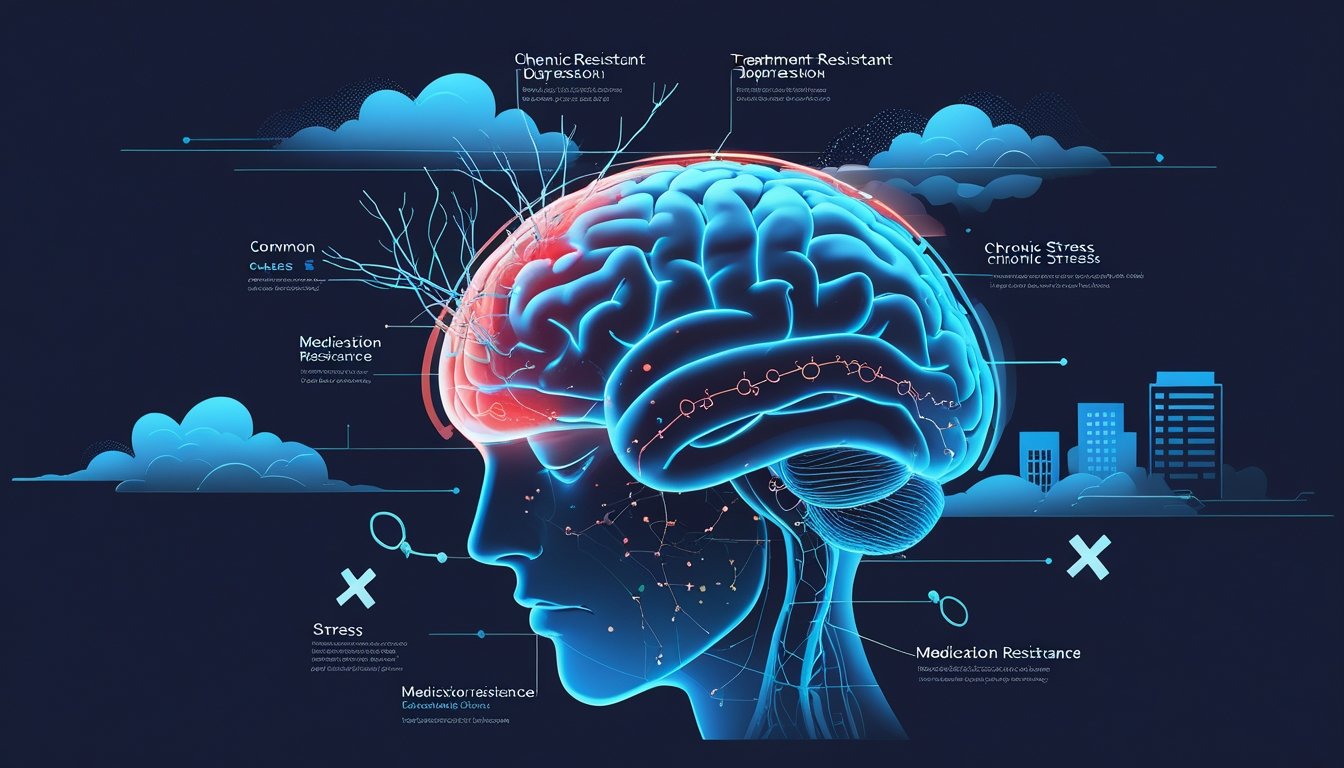
You might feel stuck when common treatments don’t ease your depression. Treatment-resistant depression often happens because standard medications or therapy don’t fully address biological, psychological, or life factors that drive your symptoms.
That means your case may need a different approach, deeper testing, or combined treatments to make real progress. This article will help you spot possible causes—from brain chemistry and genetics to stress, trauma, and gaps in treatment—and show practical next steps you can take.
If you want help exploring options, Tides Mental Health offers virtual and in-person therapy in the Chicago area and can work with you to find a plan that fits your needs.
Understanding Treatment-Resistant Depression
Treatment-resistant depression means your symptoms do not get better after standard steps. You need clear definitions, data on how common it is, and a sense of how this affects your daily life and the healthcare system.
Definition of Treatment-Resistant Depression
Treatment-resistant depression (TRD) usually means you tried at least two different, evidence-based antidepressant medications at adequate dose and length—commonly six to eight weeks each—and your symptoms still cause significant distress or disability.
Providers also check that you took medications correctly, had psychotherapy when appropriate, and that other medical or substance-related causes were ruled out.
TRD can appear during a single depressive episode or across multiple episodes. It does not mean you are untreatable; it signals the need for alternative strategies like medication switching, augmentation, psychotherapy changes, or procedural options.
Prevalence and Epidemiology
About 20–30% of people with major depressive disorder meet common definitions of TRD. Rates vary by how strictly clinicians define “adequate trial” and by patient populations studied.
TRD occurs across ages but is most often reported in adults. Risk factors include longer illness duration, severe initial symptoms, coexisting anxiety, substance use, medical illnesses, and family history of poor treatment response.
Geography and access to care affect detection. When psychotherapy or medication adherence is limited, TRD estimates can appear higher.
Impact on Patients and Healthcare
TRD increases symptom burden, work impairment, and risk of suicide compared with depression that responds to treatment. You may face months or years of persistent low mood, sleep changes, and reduced motivation.
These effects also strain relationships and daily functioning. For healthcare systems, TRD leads to more clinic visits, medication trials, and use of specialized treatments like transcranial magnetic stimulation or ketamine therapy.
Costs rise from repeated care and lost productivity. About 60–70% of Tides sessions are virtual, which can speed access; in-person services are available in the Chicago area.
Biological Causes of Treatment-Resistant Depression
Biological causes can make depression harder to treat. Genes, brain changes, and hormone problems each play a clear role and can affect how you respond to medication and therapy.
Genetic Factors
Some gene variants change the way your brain handles neurotransmitters like serotonin and dopamine. Research links certain genetic profiles to poorer response to standard antidepressants.
For example, variations in genes for the serotonin transporter and drug-metabolizing enzymes (CYP450 family) can alter blood levels of medications and reduce their effectiveness. Family history also raises your risk.
If close relatives had depression that did not improve with treatment, your chance of having treatment-resistant depression (TRD) increases. Genetic testing can sometimes clarify medication choices, but it does not give a complete answer.
You and your clinician can use genetic information alongside symptoms, treatment history, and medical tests to guide safer, more targeted care.
Neurobiological Mechanisms
Structural and functional brain changes often appear in TRD. MRI studies show altered activity in the prefrontal cortex, hippocampus, and limbic system, which affects emotion regulation and stress responses.
Reduced neuroplasticity and impaired synaptic growth can limit the brain’s ability to recover even after treatment. Inflammation also affects the brain.
Elevated inflammatory markers (like CRP and cytokines) link with poorer antidepressant response and more severe symptoms. Abnormalities in glutamate signaling and GABA function can further disrupt mood circuits.
These neurobiological factors help explain why some patients need treatments beyond standard antidepressants, such as targeted neuromodulation, ketamine, or anti-inflammatory strategies.
Hormonal Imbalances
Hormone systems influence mood and treatment response. Dysregulation of the hypothalamic-pituitary-adrenal (HPA) axis is common in TRD, producing chronically high cortisol that harms brain regions involved in mood.
Thyroid dysfunction—both overt and subtle—can blunt antidepressant effects and worsen fatigue, cognitive problems, and low mood. Sex hormones matter too.
Changes in estrogen or progesterone levels during menstrual cycles, postpartum, or menopause can trigger or sustain depressive symptoms that resist treatment. Addressing hormonal issues with medical evaluation, thyroid tests, and endocrine consultation can improve outcomes when combined with psychotherapy or medication.
Psychological and Environmental Factors
Psychological and environmental influences can shape how depression responds to treatment. These factors include past trauma, other mental health conditions, and ongoing life stressors that change brain circuits, habits, and the ability to stick with care.
History of Trauma and Stress
Past trauma, such as childhood abuse or repeated emotional neglect, can make depression harder to treat. Trauma changes stress-response systems and can lower your ability to regulate mood, which reduces how well standard antidepressants or short-term therapy work.
You may show persistent hypervigilance, nightmares, or avoidance that keep symptoms active even when medication helps mood somewhat. Trauma often co-occurs with trust and relationship problems, which can affect therapy engagement and the fit with a clinician.
Trauma-focused therapies, longer-term psychotherapy, and integrated care approaches can help when first-line treatments fail.
If you seek care, Tides Mental Health offers trauma-informed therapy both virtually and in-person in Chicago. Virtual sessions (60–70% of our work) make it easier to keep regular appointments, which improves outcomes after trauma.
Comorbid Mental Health Disorders
Having another mental health disorder raises the chance depression will resist standard treatment. Anxiety disorders, PTSD, bipolar disorder, and substance use commonly occur with depression and alter treatment needs.
For example, unrecognized bipolar depression may worsen with typical antidepressants alone. Co-occurring anxiety can deepen rumination and reduce sleep, making medication effects less clear.
Substance use can blunt medication response and interfere with therapy progress. Treating these conditions together—using mood stabilizers, trauma therapy, or integrated addiction care—usually gives better results than treating depression alone.
Tides Mental Health provides combined approaches for adults, focusing on depression and anxiety, with options for couples and family work as needed.
Chronic Life Stressors
Ongoing stress from work, caregiving, finances, or relationship problems sustains depressive symptoms and can block recovery. Chronic stress keeps your body in a heightened state of cortisol and inflammation, which may blunt antidepressant response and impair concentration and sleep.
Practical stressors also reduce your time and energy for therapy and healthy routines. Addressing these stressors with problem-solving therapy, social supports, and targeted interventions—such as scheduling help, financial counseling referrals, or couples therapy—can make medical and psychotherapeutic treatments more effective.
You can access these supports through Tides Mental Health via telehealth for convenience or in-person in Chicago to coordinate local services and community resources.
Medication and Treatment Limitations
Medication and treatment limits can make depression harder to treat. Problems often come from dose or timing, how your body handles drugs, and other medicines or supplements you take.
Inadequate Dosage or Duration
If a medication dose stays too low, you may not get benefit. Many antidepressants need several weeks at a therapeutic dose before they work.
Stopping early or using a subtherapeutic dose can look like treatment resistance when the medication simply wasn’t tried long enough. Some people tolerate only low doses because of side effects.
That can leave symptoms untreated. Your clinician can try a different antidepressant, a gradual dose increase, or add a second medication to reach an effective level while managing side effects.
Pharmacokinetic and Pharmacodynamic Variability
How your body absorbs, metabolizes, and clears drugs varies by genetics, age, liver and kidney health, and other conditions. These differences change blood levels and drug effects.
Two people on the same pill can have very different responses. Receptor sensitivity and downstream brain chemistry also differ across individuals.
These pharmacodynamic differences mean a drug that works for one person may fail for another. Your provider may order blood tests, genetic testing, or try drugs with different mechanisms to match treatment to your biology.
Drug Interactions
Other prescription meds, over-the-counter drugs, herbal supplements, and even certain foods can cut the effectiveness of antidepressants or raise side effect risks. For example, some drugs speed metabolism and lower antidepressant levels; others block metabolism and raise levels to unsafe ranges.
Always list every medication and supplement you take. Your clinician can adjust doses, switch drugs, or space medications safely.
If you want coordinated care or both virtual and in-person options near Chicago, Tides Mental Health can review interactions and tailor your plan.
Lifestyle and Behavioral Influences
Lifestyle habits can make depression harder to treat. Small daily choices—like using substances, not sleeping well, or skipping activity and proper food—can change how you respond to medications and therapy.
Substance Use and Abuse
Using alcohol, nicotine, or drugs can reduce how well treatments work. Alcohol is a depressant that lowers mood and can interact with antidepressants, making side effects worse or cutting effectiveness.
Recreational drugs like cannabis, cocaine, or stimulants can worsen anxiety, disrupt motivation, and trigger mood swings that mimic or deepen depression. If you take prescription medications that affect the brain (including benzodiazepines or opioids), tell your clinician.
These drugs can mask symptoms or interfere with antidepressant action. Cutting back or stopping often helps, but you should do this with medical support to avoid withdrawal and risk.
Tides Mental Health offers virtual and in-person options in Chicago to help you address substance use alongside depression treatment.
Treatment plans usually combine counseling, medication review, and practical steps to reduce use.
Sleep Disturbances
Poor sleep is common with depression and can block recovery. Insomnia and fragmented sleep raise risk of worsening symptoms and make antidepressants less effective.
Sleep that is too short or too long changes brain chemistry tied to mood regulation. Fixing sleep improves therapy response.
Try a consistent bedtime, limit screens before bed, and avoid caffeine late in the day. If you have persistent insomnia, cognitive-behavioral therapy for insomnia (CBT-I) or a medication adjustment can help.
At Tides Mental Health, many clients use virtual sessions to learn sleep strategies and get coordinated medication reviews. Clinicians track sleep patterns and work with you to make changes that support treatment.
Diet and Physical Activity
What you eat and how much you move affect brain health and treatment outcomes. Diets low in nutrients—especially omega-3s, B vitamins, and vitamin D—can worsen fatigue and focus problems.
High sugar intake and processed foods can increase inflammation linked to depressive symptoms. Regular physical activity helps mood and boosts how well therapy and antidepressants work.
Aim for moderate exercise most days—walking, cycling, or strength training for 30 minutes can increase energy and improve sleep. Start small and build up to steady routines.
If changing habits feels hard, Tides Mental Health can help you set realistic diet and exercise goals through virtual coaching or in-person visits in Chicago. Clinicians tailor plans to your medical needs and track progress with you.
Diagnosis and Identification Challenges
You may face barriers getting an accurate diagnosis and clear plan. Problems often stem from overlapping conditions, incomplete assessments, and unclear criteria for when depression becomes treatment-resistant.
Misdiagnosis or Delayed Diagnosis
Symptoms of depression often overlap with anxiety, bipolar disorder, medical illnesses, or medication side effects. If your clinician misses a co-occurring bipolar spectrum condition or an undetected thyroid or inflammatory disorder, antidepressants may appear ineffective.
Substance use, sleep disorders, and chronic pain also mask or worsen depression, delaying proper treatment. Incomplete treatment trials cause missed diagnoses.
Short medication trials, poor adherence, or lack of psychotherapy mean true resistance is unclear. Your history should include past meds, doses, duration, psychotherapy types, and life events.
Ask for a thorough review if your symptoms persist after two or more adequate antidepressant trials.
Assessment Tools and Criteria
Clinicians use rating scales (PHQ-9, MADRS) and clinical interviews to measure symptoms and track change. These tools help quantify severity, but scores alone don’t confirm treatment resistance.
Accurate assessment needs documented adequate trials: correct dose, at least 6–8 weeks per med, and verified adherence. A comprehensive evaluation also checks medical causes, substance use, and psychosocial stressors.
Expect medication records, therapy history, sleep and substance screening, and basic lab tests (thyroid, CBC, metabolic panel). If you need coordination of care or specialized options, Tides Mental Health offers both virtual and in-person services in the Chicago area to help review your diagnosis and next steps.
Emerging Research on Causes
Recent studies point to specific biological and microbial factors that may make depression harder to treat. These include immune system activity, signals from the gut, and measurable molecules in blood or brain tissue that help explain why some treatments fail.
Inflammation and Immune System Involvement
You may have higher levels of systemic inflammation if standard antidepressants don’t help. Researchers find elevated markers such as C-reactive protein (CRP), interleukin-6 (IL-6), and tumor necrosis factor-alpha (TNF-α) in many people with treatment-resistant depression (TRD).
These molecules can change neurotransmitter metabolism and reduce brain plasticity, which lowers the response to serotonin- or norepinephrine-based drugs. Evidence shows that anti-inflammatory medications or targeting immune pathways can help a subset of patients.
You might benefit from tests that check inflammatory markers to guide treatment choices. If inflammation seems relevant, combining medication with therapies that reduce inflammation—medical or behavioral—may improve outcomes.
Tides Mental Health offers virtual and in-person options in Chicago to help evaluate and integrate these approaches into care.
Gut-Brain Axis
Your gut bacteria and intestinal health can affect mood and drug response. Studies link altered gut microbiome composition and increased gut permeability (“leaky gut”) with inflammation and changes in neurotransmitter production.
These changes can blunt antidepressant effects by shifting tryptophan metabolism away from serotonin toward inflammatory metabolites. Interventions under study include probiotics, dietary changes, and fecal microbiota modulation to restore healthier gut profiles.
You may see symptom improvement when gut-targeted steps are added to conventional care. Tides Mental Health can coordinate assessments and recommend diet or microbiome-informed strategies alongside psychotherapy and medication management, delivered mostly virtually with in-person visits in Chicago when needed.
Novel Biomarkers
Researchers search for reliable biomarkers to predict who will resist treatment and which therapy will work. Candidate markers include genetic variants, inflammatory proteins, neuroimaging patterns, and metabolite profiles from blood or cerebrospinal fluid.
Combining several markers into a panel shows promise for classifying subtypes of TRD and guiding personalized treatment. You could be tested for specific biomarkers to tailor therapy choices, such as neurostimulation, ketamine, or immune-modulating drugs when standard antidepressants fail.
Clinical use of these panels is emerging, not universal, so discuss availability and relevance for your case. Tides Mental Health can help interpret test results and design a treatment plan that fits your needs and access preferences.
Conclusion
You may face treatment-resistant depression for many reasons. Genetics, medical conditions, substance use, or life stress can all make treatments less effective.
Sometimes treatments were not given long enough or at the right dose.
Adjusting medications, adding psychotherapy, or using newer therapies can help.
Tides Mental Health offers adult therapy and counselling focused on anxiety, depression, life transitions, and couples or family work.
Most sessions are virtual (60–70%). In-person care is available in the Chicago area (30–40%).
You can ask your clinician to review your diagnosis, check for medical causes, and reassess medications.
Combining psychotherapy with medication often improves outcomes.
If needed, your clinician might suggest specialized treatments or referrals.
Keep track of symptoms and side effects so you can share clear information with your care team.
Small, steady steps and regular follow-up increase the chance of finding a plan that works for you.
If you want help, contact Tides Mental Health to learn about therapy options and scheduling.