
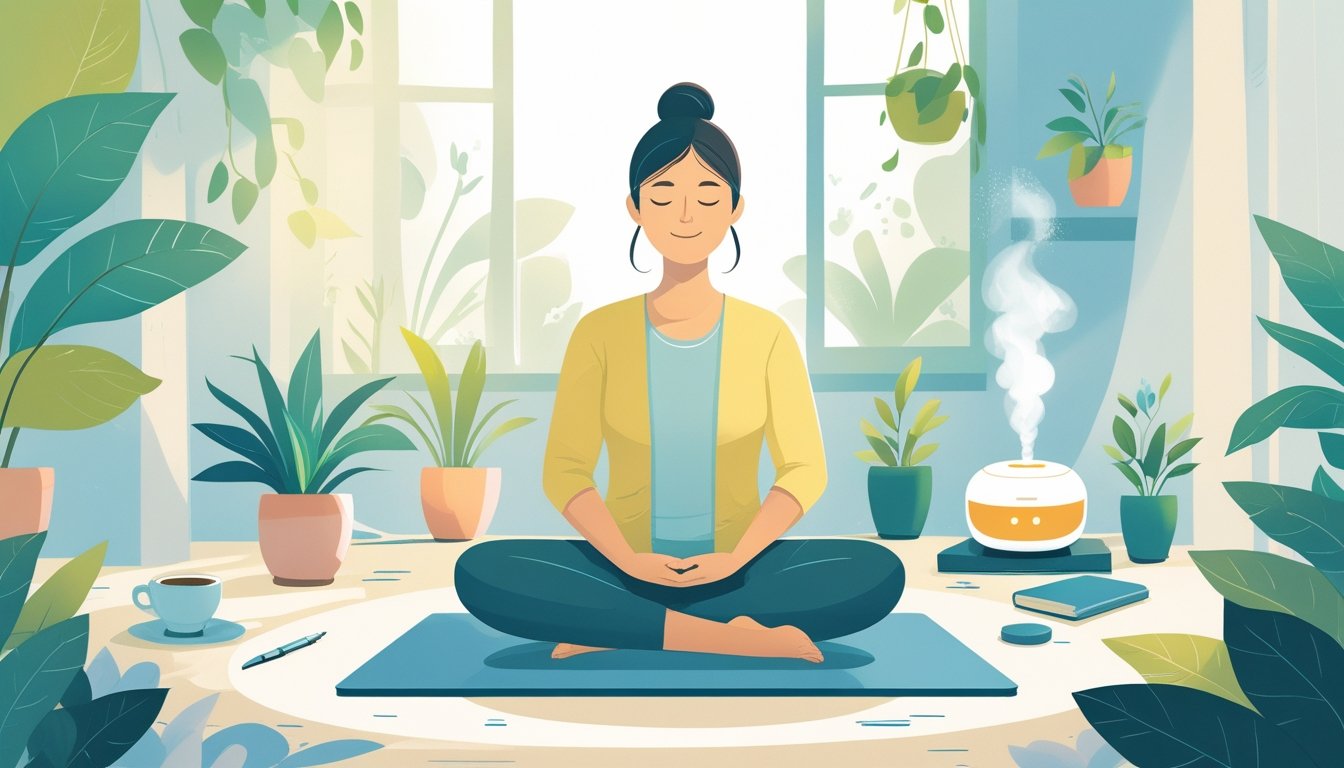
You can learn practical, natural steps to ease panic disorder and regain control of your life. Many people use breathing, relaxation, mindfulness, movement, and nutrition to reduce the intensity and frequency of attacks while building long-term resilience.
Simple tools you can use right away—like paced breathing, grounding exercises, and steady sleep and movement habits—often cut panic symptoms and give you more calm.
This article shows how to use those tools in everyday life and when to seek extra help. If you want guided support, Tides Mental Health offers virtual and in-person therapy in the Chicago area to help you apply these approaches with a clinician.
Understanding Panic Disorder
Panic disorder involves sudden, intense episodes of fear that affect your body and thinking. You can learn to spot symptoms, identify triggers, and see how panic changes daily life so you can seek the right help.
Symptoms and Diagnosis
Panic attacks usually come on quickly and peak within minutes. You may feel a racing heart, sweating, trembling, shortness of breath, chest pain, dizziness, or a sense of losing control.
Some people feel numbness, chills, or nausea. These symptoms can mimic medical problems, so your doctor may rule out heart, lung, or thyroid issues first.
A diagnosis requires recurrent unexpected attacks and ongoing worry about more attacks or behavior changes to avoid them. Clinicians use interviews and screening tools to check symptom patterns, frequency, and how much the episodes interfere with work or relationships.
Keep a symptom log with date, time, what you felt, and what happened before the attack to help your provider make a clear diagnosis.
Common Triggers
Triggers vary, but you can often spot patterns in your life. Physical triggers include caffeine, poor sleep, alcohol, or sudden medical changes.
Situational triggers might be crowded places, public speaking, or driving. Emotional triggers include high stress, major life transitions, or unresolved trauma.
You can track triggers by noting what you did or thought before an attack. This helps you plan practical steps like reducing caffeine, improving sleep, or preparing exit strategies for public situations.
If triggers link to past trauma or recurring stress, therapy with Tides Mental Health can help you learn coping tools and reduce the frequency of attacks.
Impact on Daily Life
Panic disorder can reshape routines and choices. You might avoid events, stop driving, or call in sick to prevent attacks.
That avoidance can strain work, school, and relationships. Even between attacks, constant worry and fatigue lower your energy and focus.
Symptoms also affect physical health. Poor sleep and increased stress hormones can worsen anxiety and mood.
You can protect daily life by using grounding skills, steady breathing, and a regular schedule. If you need structured support, Tides Mental Health offers mostly virtual therapy with in-person options in the Chicago area to help you manage panic and rebuild daily functioning.
Natural Approaches to Managing Panic Disorder
You can use daily habits, self-care tools, and supportive relationships to lower how often panic attacks happen and how intense they feel. Practical steps include changing sleep and exercise patterns, learning calming skills, and getting steady support from trained professionals and trusted people.
Lifestyle Modifications
Adjust your daily routine to reduce triggers and strengthen your stress resilience. Aim for 7–9 hours of sleep nightly and keep a consistent bedtime.
Poor or irregular sleep raises anxiety and makes panic attacks more likely. Build a simple exercise plan you can keep up.
Try 20–30 minutes of brisk walking, cycling, or swimming most days. Moderate aerobic activity lowers baseline anxiety and helps your body handle stress better.
Cut back on caffeine and nicotine. Both stimulate your nervous system and can mimic or trigger panic symptoms.
Track intake for two weeks to see if cutting down reduces attack frequency. Limit alcohol use and avoid heavy late-night meals that disrupt sleep.
Drink water throughout the day. Small, steady changes in diet, sleep, and movement create a steadier nervous system and fewer panic triggers.
Self-Care Strategies
Learn concrete skills you can use during a panic attack and practice them when calm. Use diaphragmatic breathing: inhale for four counts, hold two, exhale for six.
Repeat until your heart rate slows. Use grounding techniques to stop racing thoughts.
Name five things you see, four you can touch, three you hear, two you smell, and one you taste. Carry a small object to touch when needed.
Practice progressive muscle relaxation and short mindfulness sessions daily. Ten minutes of guided practice can lower daily anxiety levels.
Keep a symptom journal to track what helps and when attacks happen. Consider scheduling regular virtual or in-person therapy focused on panic and anxiety.
Tides Mental Health offers therapy that fits your needs, including virtual sessions for most clients and in-person care in the Chicago area.
Building a Support System
Tell a few trusted people what helps during an attack and what you don’t want. Give them simple action steps, like “stay calm, offer water, help me breathe.”
Clear instructions reduce confusion in high-stress moments. Join a peer support group or a therapist-led group for anxiety.
Group settings teach coping skills, normalize the experience, and show how others manage similar problems. Look for groups offered virtually if you prefer remote access.
Work with a licensed therapist for ongoing care. Therapists can teach exposure techniques, cognitive strategies, and relapse prevention.
If you want therapy that fits your schedule and location, Tides Mental Health provides mostly virtual therapy and in-person options in Chicago for adults, couples, and families.
Breathing and Relaxation Techniques
These techniques calm your body and mind by slowing your breath, easing muscle tension, and anchoring you in the present. Practice them regularly so you can use them quickly during panic or high anxiety.
Deep Breathing Exercises
Deep breathing lowers your heart rate and reduces lightheadedness during a panic episode. Sit or lie down comfortably.
Place one hand on your belly and the other on your chest. Inhale slowly through your nose for a count of four, feeling your belly rise.
Hold for a count of two, then exhale gently through pursed lips for a count of six. Repeat for 5–10 cycles.
Use this pattern when you sense panic building. Do shorter sets (2–3 cycles) if you feel dizzy.
Practice twice daily for 5–10 minutes so the pattern becomes automatic during stress. Mobile timers or a simple mantra (for example, “in—two—out—two”) can help you keep the rhythm.
Progressive Muscle Relaxation
Progressive muscle relaxation (PMR) reduces muscle tightness linked to anxiety. Find a quiet place and sit or lie down.
Tense one muscle group for 5–7 seconds, then release for 15–20 seconds. Move through the body in order: feet, calves, thighs, hips, abdomen, chest, hands, arms, shoulders, neck, and face.
Focus on the contrast between tension and release. Keep breaths slow and steady while you work.
Use PMR in the evening to improve sleep or quick 5-minute versions during the day when you notice stiffness or jaw clenching. If you have chronic pain, work with a clinician to adapt intensity.
Grounding Techniques
Grounding brings your attention back to the present and reduces panic by using your five senses. Try the 5-4-3-2-1 method: name 5 things you can see, 4 you can touch, 3 you can hear, 2 you can smell, and 1 you can taste.
Move slowly and describe each item in detail. Other options: press your feet into the floor and notice the pressure, hold a cold object for 20–30 seconds, or stomp your feet for 10 seconds to change your body’s state.
Practice these when anxiety is low so you can do them smoothly during panic. For ongoing support, Tides Mental Health offers virtual and in-person options in the Chicago area to teach these skills and help you build a plan.
Mindfulness-Based Practices
Mindfulness helps you notice panic symptoms without getting swept away. These practices teach breathing, body checks, and calm imagery you can use at home, work, or during telehealth sessions.
Meditation for Panic Disorder
Start with short, focused sittings of 5–10 minutes daily. Sit comfortably, set a timer, and focus on the breath.
When thoughts or sensations appear, label them briefly (“thinking,” “tightness”) and return to breathing. This reduces the reflex to fight or avoid panic sensations.
Use this simple sequence:
- 3–4 slow diaphragmatic breaths to ground your body.
- Count breaths up to 10, then restart if your mind wanders.
- End with a gentle body scan from head to toes.
If a full sitting feels hard, practice a single breath cycle during a panic spike. You can learn these skills in virtual or Chicago-area in-person sessions with Tides Mental Health.
Mindful Awareness in Daily Life
Bring mindfulness into routine moments to reduce overall reactivity. Choose two daily anchors, like morning coffee and handwashing.
During each anchor, notice five details: temperature, texture, sound, smell, and movement. Keep descriptions factual and brief.
Practice these micro-skills:
- Name one feeling and one bodily sensation every hour.
- Pause for one slow breath before answering calls or emails.
- Walk 5–10 minutes with attention on foot contact and posture.
These tiny practices build resilience. Use virtual coaching to tailor anchors to your schedule and to track progress between sessions.
Guided Imagery
Guided imagery uses mental pictures to calm your nervous system. Find a quiet spot, close your eyes, and imagine a safe place with specific sensory details: a cool breeze, soft light, or steady ground under your feet.
Hold the scene for 3–5 minutes while breathing slowly. Follow a simple structure:
- Choose a safe scene (beach, forest, room).
- Add three sensory details (sound, smell, touch).
- Anchor the image with a phrase like “I am steady.”
Record a short 3–5 minute script you can replay during panic or use a clinician-guided version from Tides Mental Health. Practice twice weekly to make the images easier to access when you need them.
Diet and Nutrition for Mental Health
Good food can help steady your mood, calm panic symptoms, and support sleep and focus. Small, consistent changes to what you eat and drink make the biggest difference.
Nutrient-Rich Foods for Anxiety
Choose foods that supply steady energy, build brain chemicals, and lower inflammation. Eat fatty fish like salmon or sardines twice a week for omega-3s, which support brain function and may reduce anxious feelings.
Add leafy greens (spinach, kale) and colorful vegetables for folate and magnesium that help regulate mood. Include lean proteins—chicken, turkey, eggs, beans—at each meal to keep blood sugar stable and provide amino acids for neurotransmitter production.
Snack on nuts, seeds, and plain yogurt for zinc and B vitamins. Aim for whole grains (oats, quinoa) rather than refined carbs to avoid sudden energy drops that can trigger panic.
If you take medications or have health issues, check with your provider before large dietary changes. For personalized guidance or therapy that integrates nutrition and anxiety care, consider Tides Mental Health, which offers virtual and Chicago-area in-person options.
Reducing Caffeine and Sugar
Caffeine can raise heart rate and jitteriness, which mimic panic symptoms. Limit coffee to 1 cup per day or switch to low-caffeine options like green tea.
Watch hidden caffeine in chocolate, energy drinks, and some sodas. Refined sugar causes quick blood sugar spikes and crashes that worsen anxiety.
Replace sugary snacks with fruit, nuts, or whole-grain toast with peanut butter. If you crave sweets, try a small portion of dark chocolate (70% cocoa) which has less sugar and may be calming in moderation.
Cutting back gradually helps avoid withdrawal headaches and mood swings. Track how caffeine and sugar affect your panic levels for two weeks; note times, amounts, and symptoms to find what works best for you.
Hydration and Its Importance
Dehydration can cause dizziness, lightheadedness, and concentration problems—symptoms that feed panic. Drink water regularly throughout the day.
A good starting target is 8 cups (about 2 liters), but increase if you exercise or are in a hot climate. Flavor water with lemon, cucumber, or mint if plain water feels boring.
Limit alcohol, which dehydrates you and disrupts sleep and mood. Keep a water bottle with you and sip during stressful moments; small, steady sips help prevent physical triggers of panic.
If you have kidney, heart, or other medical conditions that require fluid limits, follow your clinician’s advice on how much to drink.
Physical Activity and Movement
Physical activity can lower the intensity and frequency of panic symptoms by changing your breathing, reducing muscle tension, and shifting focus away from anxious thoughts. Moving regularly also improves sleep and mood.
Exercise to Reduce Anxiety
Choose aerobic activity that raises your heart rate for at least 20–30 minutes, three to five times a week. Good options are brisk walking, jogging, cycling, or swimming.
These activities increase endorphins and reduce the body’s stress response, which can make panic attacks less likely. Start slowly if you’re new to exercise.
Warm up for 5–10 minutes, then do steady movement, and finish with a cool-down and light stretching. Monitor your breathing: inhale through your nose for two counts and exhale through your mouth for three.
If your heart races during an attack, paced breathing plus walking can help ground you. Keep a simple log of activity and symptoms.
Note type, duration, and how you felt before and after. This helps you see patterns and adjust intensity safely.
If you have health concerns, check with a medical provider before starting.
Yoga for Calming the Mind
Practice a short yoga routine focused on breath and gentle poses three to four times weekly. Poses like child’s pose, cat–cow, and supported bridge help relax the chest and diaphragm, making breathing easier during anxiety.
Combine each pose with slow, steady breathing. Use 4-count inhales and 6-count exhales for longer, calming breaths.
Add a 5–10 minute guided relaxation or body scan at the end to lower physical tension and quiet the mind. You can follow a video or attend a class, but you can also do a short sequence at home.
If you want help building a plan or addressing panic disorder, Tides Mental Health offers both virtual and Chicago-area in-person options to support your practice.
Gentle Movement Practices
Use low-impact movement when panic or high anxiety feels close. Walking in green space, tai chi, or gentle dance for 10–30 minutes can shift focus and reduce adrenaline.
These activities keep your body moving without causing high heart-rate spikes that might trigger fear. Pair movement with grounding: name five things you see, four you can touch, three you hear, two you smell, and one you taste while you move.
This sensory checklist links movement to the present moment and lowers catastrophic thinking. If needed, mix short bouts of activity throughout the day.
Ten minutes of movement after a stressful call or before bed often helps restore calm. For ongoing guidance, consider scheduling virtual sessions with Tides Mental Health to create a tailored movement plan and coping skills.
Sleep Hygiene and Natural Rest
Good sleep lowers your chance of a panic episode and helps you think clearly during the day. Focus on a steady schedule, a calm bedroom, and simple natural practices that help your body relax before bed.
Establishing a Healthy Sleep Routine
Set a fixed bedtime and wake time, even on weekends. Your body’s clock learns routine and reduces night-time wakefulness.
Aim for 7–9 hours that fit your needs. Create a short wind-down ritual of 20–30 minutes.
Examples: dim lights, turn off screens, read a paper book, or do gentle stretching. Avoid heavy meals, caffeine, and nicotine for at least 4–6 hours before bed.
Use the bed only for sleep and sex. This trains your brain to link the bed with rest, not worry.
If you can’t sleep after 20 minutes, get up, do a quiet activity, and return when drowsy. If you struggle with panic at night, write a quick “worry list” earlier in the evening.
Jot down the worry and one small next step you can take tomorrow. This transfers the problem from your mind to paper.
Natural Ways to Improve Sleep Quality
Control light and sound in your bedroom. Use blackout curtains, eye masks, white noise, or earplugs to block interruptions.
Keep room temperature cool, around 65°F (18°C). Practice calming breathing before bed.
Try 4-4-8 breathing: inhale 4 seconds, hold 4, exhale 8. Repeat 4–6 times to slow heart rate and ease tension.
Combine this with progressive muscle relaxation if you like. Limit alcohol; it may make you sleep but disrupts deep sleep later.
Consider magnesium or a chamomile tea 30–60 minutes before bed if you tolerate them. Talk to your clinician at Tides Mental Health about supplements and whether they fit your care plan.
Keep exercise regular but finish vigorous workouts at least 3 hours before bedtime. Daylight exposure early in the day also helps set your sleep-wake cycle.
If you need help building a plan, Tides Mental Health offers virtual and Chicago-area in-person support to guide your sleep strategies.
Herbal and Supplement Alternatives
Herbal and supplement options can ease physical tension and reduce the frequency of panic symptoms for some people. You should learn which products have evidence, how fast they may work, and what risks to watch for.
Popular Herbal Remedies
Some herbs show consistent calming effects in studies. Chamomile tea or extract can reduce worry and improve sleep for mild anxiety.
Lavender oil, used as a capsule or inhaled, can lower heart rate and nervousness in short-term use. Passionflower and valerian may help with sleep and nighttime panic, though effects vary by person.
Use standardized products when possible so you know the dose. Start with low doses and try one product at a time for a few weeks to see if it helps.
If you take prescription medication or have liver disease, talk to a clinician before using kava or high-dose herbal blends.
Safety and Effectiveness of Supplements
Supplements like magnesium and omega-3 fatty acids have moderate evidence for reducing physical anxiety symptoms, especially muscle tension and mood swings. B-complex vitamins can support nervous system function but do not replace therapy or prescriptions.
Results often take weeks and depend on consistent use. Watch for interactions: herbs and supplements can change how prescriptions work.
Common risks include drowsiness, stomach upset, and liver strain. Always tell your prescriber about every supplement you use.
If you want guided care, Tides Mental Health offers therapy both virtually and in-person in the Chicago area and can help you integrate safe supplement choices with counseling.
When to Seek Professional Guidance
If panic attacks start stopping you from doing daily tasks, driving, working, or caring for loved ones, get help. You can combine natural tools with skilled care to lower attack frequency and improve safety.
Recognizing Severe Symptoms
Seek professional help if panic attacks feel uncontrollable or last longer than 20–30 minutes. Call a doctor or emergency services if you have chest pain, fainting, sudden numbness, or slurred speech.
These symptoms can look like a heart or stroke emergency and need immediate medical evaluation. Also get help when panic becomes frequent—several times a week—or when you avoid places or routines because you fear an attack.
If panic leads to heavy drinking, drug use, self-harm, or suicidal thoughts, contact a clinician right away. Tides Mental Health offers urgent assessments and can set up a same-week appointment, often virtually.
Integrating Natural and Professional Support
Tell your clinician about the natural methods you use—breathing exercises, grounding, reduced caffeine, or regular exercise—so they can fit them into a treatment plan. A therapist can teach cognitive tools to change panic triggers while you keep practical self-care steps at home.
Tides Mental Health provides mostly virtual therapy with some in-person options in Chicago. Your plan can mix short-term medication for severe episodes with ongoing cognitive therapy, lifestyle changes, and support for depression or relationship stress.
Ask about session frequency, homework strategies, and crisis contact methods before you start.
Long-Term Strategies for Coping
Build steady habits that reduce panic frequency and strengthen your ability to respond when symptoms start. Focus on small, measurable goals and track progress so you can adjust what works for you.
Setting Realistic Recovery Goals
Set specific, short-term goals you can measure. For example: “Practice paced breathing for 5 minutes, three times this week” or “Attend one virtual therapy session with Tides Mental Health this month.”
Use clear time frames and simple steps. Break larger aims into weekly tasks.
If your long-term aim is fewer panic attacks, aim first to reduce avoidance behaviors or to practice a grounding skill daily. Make goals flexible.
Panic symptoms can fluctuate, so allow for slower weeks without treating them as failures. Reassess goals every 2–4 weeks and adjust targets based on what you actually do.
Write goals down and put them where you’ll see them daily. This keeps you focused and makes it easier to report progress to your therapist, whether virtual or in-person in the Chicago area.
Tracking Progress Over Time
Choose a tracking method that fits your routine: a short journal, a habit app, or a simple checklist. Record date, trigger, symptoms, coping skill used, and outcome.
Track small wins as well as setbacks. Note days with fewer or milder attacks, longer periods between attacks, or improved sleep and activity levels.
Review your log every 2–4 weeks. Look for patterns like common triggers, times of day, or activities that help.
Use those patterns to update your goals and coping plans. Tides Mental Health can help you interpret this data and adjust your plan through virtual sessions or in-person care in Chicago.