
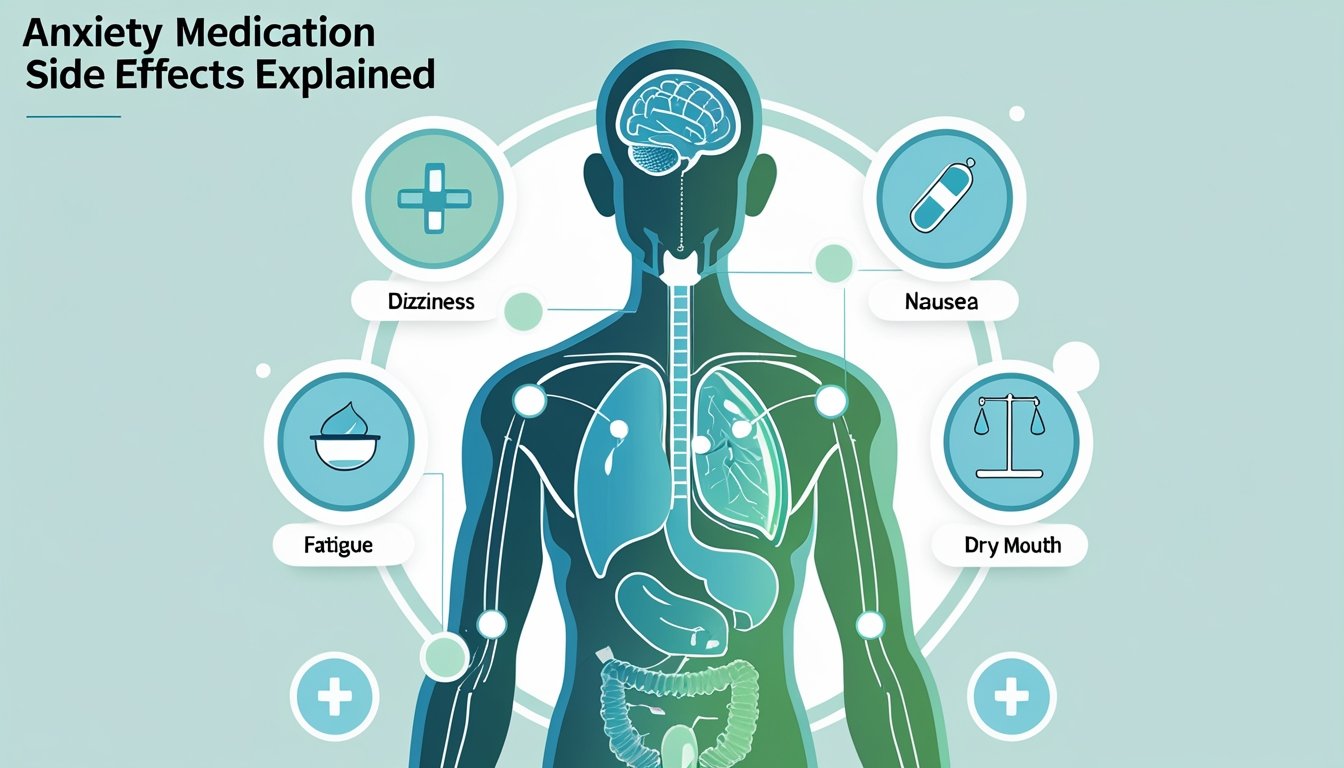
You may feel unsure about what to expect from anxiety medication. Many people find relief, but side effects can range from mild to serious and depend on the drug type, dose, and your personal health.
This article will explain common and rare side effects, how different medication classes compare, and what factors change your risk. You’ll learn practical steps to manage side effects and when to contact a clinician, whether you prefer virtual care or in-person sessions near Chicago with Tides Mental Health.
Overview of Anxiety Medications
Anxiety medications vary by type, how they work, and who might benefit from them. You’ll learn which drug classes treat short-term panic and which manage long-term worry, how they change brain chemistry, and which patients often respond best.
Types of Anxiety Medications
Common classes include SSRIs, SNRIs, benzodiazepines, beta-blockers, and buspirone.
- SSRIs (selective serotonin reuptake inhibitors) — often first-line for generalized anxiety, panic disorder, and social anxiety. Examples include sertraline and escitalopram.
- SNRIs (serotonin-norepinephrine reuptake inhibitors) — used when SSRIs are not enough; venlafaxine is a typical choice.
- Benzodiazepines — work quickly to reduce acute panic and severe short-term anxiety; examples are lorazepam and alprazolam. They can cause sedation and dependence.
- Beta-blockers — reduce physical symptoms like racing heart and tremors during performance anxiety; usually taken as needed.
- Buspirone — helps chronic anxiety with less sedation and lower addiction risk; it can take weeks to work.
Your prescriber will pick a class based on your diagnosis, symptom speed, drug side effects, and any other medicines you take.
How Anxiety Medications Work
Most anxiety drugs change brain chemicals that affect mood and stress response.
- SSRIs and SNRIs increase serotonin and sometimes norepinephrine in brain pathways that regulate worry and mood. This reduces excessive fear signaling over weeks.
- Benzodiazepines enhance GABA, a calming neurotransmitter, which quickly lowers nervous system arousal. Their fast action makes them useful short-term but risky for long-term use.
- Beta-blockers block adrenaline’s effects on the body, lowering heart rate and shaking without altering mood directly.
- Buspirone modulates serotonin receptors and stabilizes anxiety gradually.
You should expect some effects within days for sedating drugs and several weeks for antidepressant classes. Your clinician monitors response and side effects to adjust dose or switch medications.
Who May Benefit From Treatment
You may benefit from medication if anxiety significantly disrupts work, sleep, relationships, or daily tasks.
- People with moderate to severe generalized anxiety disorder, panic disorder, or social anxiety often need medication plus therapy.
- Short-term benzodiazepines help those facing severe panic or crisis, while SSRIs/SNRIs suit long-term management.
- Beta-blockers help people with performance-related anxiety like public speaking.
- Buspirone may be a choice for those who need chronic control without sedation or dependence.
If you prefer virtual care, Tides Mental Health offers mostly online adult therapy with in-person options in Chicago. Your provider will weigh your medical history, other prescriptions, pregnancy plans, and substance use before prescribing.
Common Side Effects of Anxiety Medication
Anxiety medicines can affect your body, mind, and daily routines in different ways. Some effects start soon after you begin a drug, while others develop later or if the dose changes.
Physical Side Effects
Medications often cause physical symptoms you can notice right away. Common ones include nausea, headache, and dizziness.
Benzodiazepines can make you feel sleepy or unsteady, increasing fall risk. Selective serotonin reuptake inhibitors (SSRIs) may cause digestive upset, sweating, or sexual side effects like reduced libido or difficulty ejaculating.
Some medicines change appetite or weight; you might gain or lose weight over weeks. Sleep changes are common too—some drugs make you drowsy, others cause insomnia.
If you have high blood pressure, certain meds can raise it slightly, so monitoring matters. Report severe or persistent symptoms to your prescriber.
Emotional and Cognitive Effects
You may notice shifts in mood, thinking speed, or emotional range. SSRIs and SNRIs can cause emotional blunting—feeling less intense joy or sadness.
Benzodiazepines often slow thinking and impair short-term memory when used daily. Some people experience increased anxiety or agitation at the start of treatment; this usually eases after a few weeks but needs monitoring.
Concentration and reaction time can drop, which affects work and driving. Rarely, medications trigger worsening depression or suicidal thoughts, especially in young adults; contact your provider immediately if this happens.
Keep a brief symptom log to share with your clinician—it helps track changes and guides safer choices.
Impact on Daily Life
Side effects can disrupt routines, relationships, and job tasks. Sleepiness or slowed thinking may affect your ability to drive, care for children, or perform complex work.
Sexual side effects can strain intimate relationships; talk openly with your partner and clinician about options. Some side effects fade over weeks, while others need dose changes or a different drug.
Never stop medication suddenly; withdrawal can cause rebound anxiety, dizziness, and flu-like symptoms. If you want to adjust treatment, plan a taper with your prescriber.
For local in-person care in the Chicago area or for virtual options, Tides Mental Health offers adult therapy and medication coordination to help manage side effects and match treatment to your life.
Serious Risks and Rare Side Effects
Some anxiety medications can cause long-term problems even when they help symptoms. Pay attention to dependence, allergic reactions, and withdrawal signs so you can act quickly if they appear.
Potential for Dependence
Benzodiazepines (like diazepam or lorazepam) pose the highest risk of physical dependence when taken daily for weeks or months. If you use them regularly, your brain may adapt so that you need the drug to feel normal.
Dependence raises the chance you’ll take higher doses, which can impair memory, reaction time, and coordination. Your risk increases with higher doses, longer use, and combining these drugs with alcohol or opioids.
If you have a history of substance use disorder, tell your prescriber. Tides Mental Health can help you weigh medication risks and offer mostly virtual therapy to support safe tapering plans and alternative treatments.
Allergic Reactions
Allergic reactions to anxiety meds are rare but can be serious. Signs include hives, facial or throat swelling, difficulty breathing, and rapid heartbeat.
These require emergency care immediately. Less severe reactions, like skin rash or itching, still need prompt reporting to your prescriber.
Keep a list of all drugs and supplements you take, and show it at every appointment. If you develop new symptoms after starting a medication, stop taking it only if a clinician tells you to, or seek urgent care for severe symptoms.
Withdrawal Symptoms
Stopping some anxiety medicines suddenly can cause withdrawal. Benzodiazepine withdrawal may bring anxiety rebound, insomnia, tremors, sweating, and in severe cases, seizures.
Abruptly stopping certain antidepressants (like SSRIs) can cause dizziness, flu-like symptoms, electric shock sensations, and mood changes. Your prescriber should give a taper schedule to lower dose slowly and reduce withdrawal risk.
Combine tapering with therapy to manage returning anxiety. Tides Mental Health offers virtual and in-person support in the Chicago area to guide medication changes and provide counseling during tapering.
Side Effects by Medication Class
These medications can reduce anxiety but each class raises different risks. Know the common side effects, what to watch for, and how they may affect sleep, concentration, and daily function.
Benzodiazepines
Benzodiazepines (like alprazolam, lorazepam, clonazepam) act fast to reduce intense anxiety and panic. They commonly cause drowsiness, light-headedness, slowed reaction time, and memory problems.
You may notice trouble concentrating or daytime sleepiness, which raises driving and work-safety concerns. Long-term use can lead to tolerance (needing higher doses) and physical dependence.
Stopping suddenly can cause rebound anxiety, insomnia, irritability, and in rare cases seizures. Mixing benzodiazepines with alcohol or opioids raises the risk of life-threatening breathing problems.
Your doctor should set a clear short-term plan and taper schedule. If you need immediate relief while avoiding long-term risk, discuss brief use or nonmedication options like therapy with Tides Mental Health.
Selective Serotonin Reuptake Inhibitors (SSRIs)
SSRIs (such as sertraline, fluoxetine, escitalopram) treat general anxiety, panic disorder, and social anxiety by changing serotonin levels. Early side effects often include nausea, headache, increased anxiety for the first 1–2 weeks, and trouble sleeping.
Sexual side effects (lower libido, delayed orgasm) and weight changes can appear after weeks to months. Most physical side effects lessen over time, but sexual effects may persist.
Rarely, SSRIs can cause serotonin syndrome when combined with certain drugs; symptoms include high fever, fast heartbeat, and confusion. Do not stop SSRIs suddenly; tapering reduces withdrawal-like symptoms.
Talk with your provider about dose changes, timing of doses to limit insomnia, and pairing medication with therapy at Tides Mental Health for better results.
Serotonin-Norepinephrine Reuptake Inhibitors (SNRIs)
SNRIs (for example venlafaxine, duloxetine) target both serotonin and norepinephrine and can help generalized anxiety and panic. Common side effects include nausea, dry mouth, constipation, increased heart rate, and increased blood pressure.
You might also have sleep disturbances, dizziness, or sweating. Like SSRIs, SNRIs can cause sexual side effects and weight change.
Abruptly stopping SNRIs often leads to withdrawal symptoms—dizziness, “electric shock” sensations, mood swings, and flu-like symptoms. Your provider should monitor blood pressure after starting or increasing an SNRI.
Discuss combining medication with virtual or in-person therapy through Tides Mental Health in Chicago to manage side effects and improve outcomes.
Factors Influencing Side Effects
Side effects vary by who you are, what else you take, and any health issues you already have. These three areas often determine how severe side effects will be, how long they last, and which symptoms you might get.
Age and Gender Differences
Your age affects how your body processes medication. Older adults often clear drugs more slowly, so side effects like drowsiness, dizziness, or confusion may be stronger and last longer.
Dose adjustments are common for people over 65 to lower fall risk and reduce interactions. Gender matters too.
Women often have higher blood concentrations of some anxiety drugs at the same dose, which can increase side effects such as nausea or sexual side effects. Hormonal status — pregnancy, postpartum, or menopause — can change drug response and risk.
Talk to your prescriber about pregnancy plans or if you are breastfeeding so they can choose safer options. Children and adolescents metabolize drugs differently, and some meds can affect growth, sleep, or behavior.
If you are seeking care for a young person, mention this so the provider can monitor closely or consider alternatives. Tides Mental Health offers guidance if you need tailored care for adults now and plans to expand youth services later.
Interactions With Other Medications
Mixing anxiety drugs with other medicines can cause new or worse side effects. Combining SSRIs or SNRIs with certain pain meds, migraine drugs, or some supplements can raise the risk of serotonin syndrome, which causes agitation, rapid heart rate, and high fever.
Inform your prescriber about every prescription, over‑the‑counter drug, and herbal supplement you take. Benzodiazepines plus opioids or alcohol greatly increase sedation and breathing problems.
Beta blockers used for stage fright can interact with asthma medicines or diabetes drugs. Your provider can check for interactions and adjust doses or choose safer alternatives.
If you receive care through Tides Mental Health, clinicians will review your full medication list in virtual or Chicago-area in-person visits.
Preexisting Health Conditions
Existing medical problems change side effect risks. Liver or kidney disease can slow drug breakdown, increasing levels and side effects like dizziness, weakness, or confusion.
Heart conditions make drugs that affect blood pressure or heart rate riskier. Close monitoring or different drug choices may be needed.
Mental health history also matters. If you have bipolar disorder, some antidepressants can trigger manic episodes.
A history of substance use disorder raises concern for benzodiazepines because of dependence risk. Respiratory conditions like COPD or sleep apnea increase danger from sedating medications.
Always tell your clinician about chronic conditions so they can pick and monitor the safest option for you.
Managing Side Effects
You can take practical steps to lower side effects, keep anxiety under control, and get support when needed. Small changes in dose, daily routines, and when you contact a clinician make the biggest difference.
Adjusting Dosage
If a medication causes unwanted effects, do not stop it suddenly. Sudden changes can make symptoms worse or cause withdrawal.
Talk with your prescriber about gradual dose reductions, slower titration, or switching to a different drug. Keep a simple symptom diary for one to two weeks.
Note time of dose, side effects, and how severe they are on a 1–10 scale. Share this with your clinician so they can decide if a lower dose or different schedule might help.
Ask about options like taking medication at night to reduce daytime drowsiness or splitting doses to reduce nausea. Your clinician may suggest trying the lowest effective dose first and increasing slowly.
Lifestyle Modifications
Daily habits can reduce many common side effects. If medication causes sleepiness, avoid driving until you know how it affects you and consider taking it in the evening.
For nausea, eat a small snack before the pill. For weight changes, track food and activity.
Add 20–30 minutes of walking most days and choose whole foods over processed snacks. For sexual side effects, time intimacy around when the drug’s effect is lowest and discuss alternative dosing with your prescriber.
Use non-medication supports like therapy, breathing exercises, and sleep hygiene. Tides Mental Health offers virtual and in-person therapy in the Chicago area that focuses on anxiety, depression, life transitions, and couples or family counseling to complement medication plans.
When to Consult a Healthcare Professional
Contact your prescriber right away if you have severe reactions: trouble breathing, chest pain, fainting, high fever, or signs of an allergic reaction such as swelling or hives. Also seek help for new or worsening suicidal thoughts.
Call if side effects interfere with daily life — for example, persistent vomiting, severe insomnia, extreme tiredness, or sudden mood changes. Bring your symptom diary and a list of other medications, supplements, and health conditions to the appointment.
If you need faster access to care, Tides Mental Health offers mostly virtual visits (60–70%) and in-person appointments (30–40%) in Chicago. Their team can review your medication, suggest dose adjustments, or coordinate with your prescriber to change treatment safely.
Long-Term Use and Monitoring
Long-term medication can relieve chronic anxiety but carries risks that need active oversight. You should expect regular checks of symptoms, side effects, and how medicine fits with your life and other treatments.
Regular Medical Reviews
Schedule medical reviews at least every 3 months at the start of long-term treatment, then every 6–12 months once stable. Reviews should include symptom scales (for example GAD-7), side-effect checklists, and a brief physical exam when needed.
Bring a list of all medicines, supplements, and any alcohol or cannabis use so your clinician can spot interactions. Labs or vitals may be needed for some drugs (weight, blood pressure, liver function, or metabolic panels for SSRIs/SNRIs).
If you notice new symptoms — increased tiredness, weight change, sleep problems, or mood shifts — contact your prescriber sooner. You can manage many checks virtually; Tides Mental Health offers both virtual and in-person visits in the Chicago area to fit your needs.
Tolerance and Dependence Over Time
Different drugs carry different risks. Benzodiazepines can cause physical dependence and withdrawal after weeks to months; you and your prescriber should plan limited use or slow tapering if stopping.
SSRIs and SNRIs rarely cause physical dependence but can cause discontinuation symptoms if stopped abruptly, so you need a gradual dose reduction. Watch for reduced benefit over time (tolerance) and for signs of misuse, such as taking higher doses than prescribed or using medicine to avoid therapy or life changes.
Combine medication with therapy to lower the chance you rely solely on drugs. Tides Mental Health can help you pair medication management with counseling — mostly virtual sessions, with in-person care in Chicago when you prefer face-to-face support.
Alternatives to Medication
You can try therapy and counseling to manage anxiety without medication. Cognitive-behavioral therapy (CBT) and other evidence-based approaches teach skills to change anxious thoughts and habits.
These sessions help you practice coping tools you can use daily. Lifestyle changes also reduce anxiety for many people.
Regular exercise, better sleep, and cutting back on caffeine and alcohol often lower symptoms. Simple breathing, mindfulness, and relaxation exercises can calm your nervous system in minutes.
Consider options that combine care types. Therapy plus coaching, group sessions, or peer support can give extra structure and connection.
Tides Mental Health offers adult therapy focused on anxiety, depression, life transitions, and couples or family counseling, with most care available virtually and in-person options in the Chicago area.
If you prefer non-medication routes, discuss a clear plan with a clinician so you know when to reassess or add other supports. Ask about session frequency, expected progress, and how to handle setbacks.
Practical next steps:
- Try a short course of CBT or skills-focused therapy.
- Schedule regular exercise and sleep routines.
- Use daily mindfulness or breathing practices.
- Reach out to Tides Mental Health for virtual or Chicago-area in-person care.