
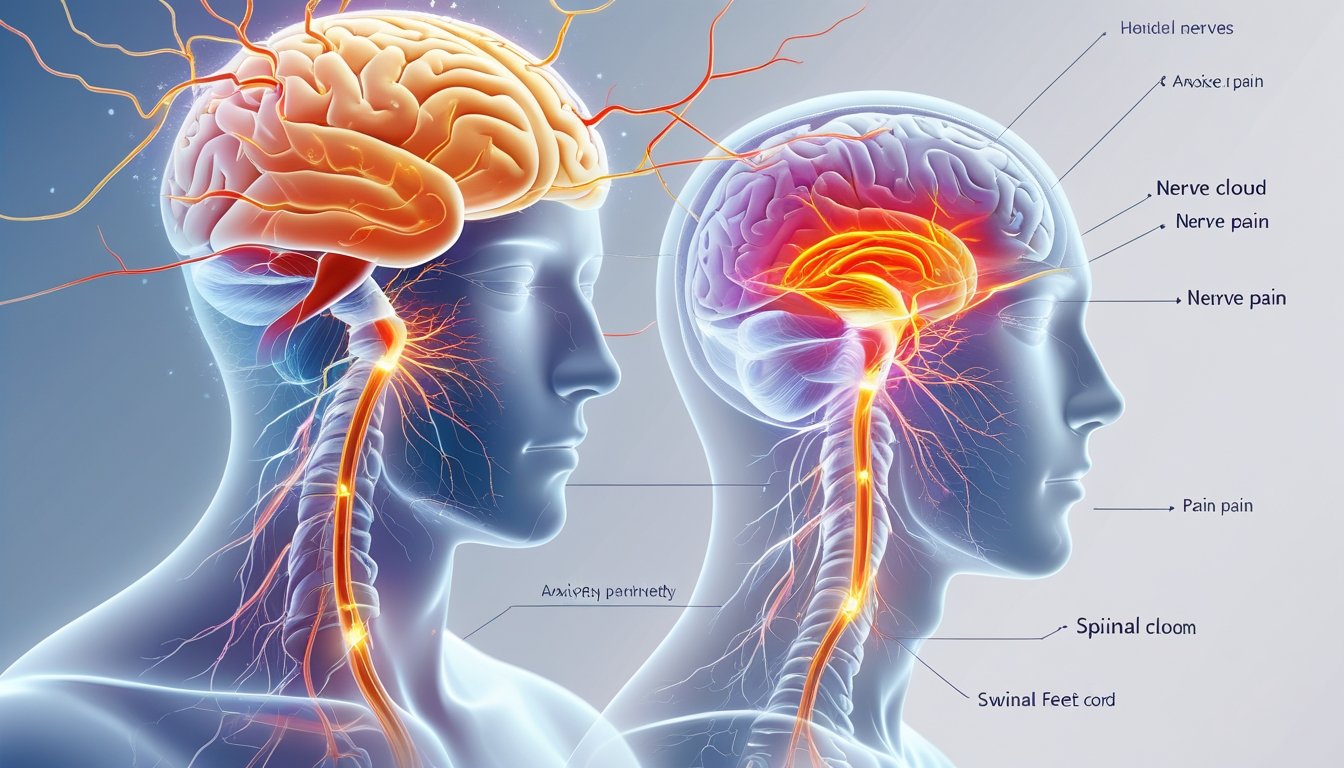
You may feel tingling, burning, or numbness and blame your nerves—but anxiety often mimics or worsens those sensations by changing how your nervous system reacts. Anxiety doesn’t usually destroy nerves; it alters nerve signaling and heightens pain perception, so normal sensations can feel sharp or strange.
This post will show how stress and anxiety shift your body into a constant “fight-or-flight” state. This can cause muscle tension, inflammation, and altered nerve signals that produce neuropathy-like symptoms.
You’ll also learn how clinicians diagnose anxiety-linked nerve pain. Practical steps you can take now, including therapy options like Tides Mental Health (virtual or in-person in Chicago), can help reduce symptoms and regain control.
Understanding Anxiety and Nerve Pain
Anxiety can change how your body feels and how your nerves send signals. You may notice tingling, burning, or sharper pains when stress ramps up, and these symptoms often come from how your nervous system reacts.
What Is Anxiety?
Anxiety is your body’s alert system reacting to perceived threat or stress. It raises your heart rate, tightens muscles, and releases stress hormones like adrenaline.
These physical changes prepare you to act, but when anxiety is long-lasting they can wear down your body and increase physical sensations. You might feel constant worry, restlessness, trouble sleeping, or persistent muscle tension.
Those symptoms change how your nerves fire and can make normal sensations feel painful or amplified. If anxiety affects your daily life, talk to a therapist or mental health provider for assessment and treatment.
Defining Nerve Pain
Nerve pain, or neuropathic pain, comes from damaged or overactive nerves. It often feels like burning, sharp shooting pains, tingling, numbness, or electric shocks.
Nerve pain differs from muscle or joint pain because it follows nerve paths and can be constant or come in sudden spikes. Medical causes include diabetes, infections, and physical nerve injuries.
But nerves also respond to stress and chemical changes in the body. If you notice new or worsening nerve-like symptoms, see a doctor to rule out medical causes before assuming anxiety is the sole reason.
Nervous System Functions
Your nervous system has two main parts: the central system (brain and spinal cord) and the peripheral nerves (sending signals to limbs and organs). It senses touch, temperature, and pain, then tells your brain how to react.
Proper function depends on balanced chemicals and clear signal pathways. Stress hormones and chronic anxiety change how nerves communicate.
They can increase sensitivity, reduce pain thresholds, and lead to misfiring signals that feel like nerve pain. Targeted therapy and medical evaluation can help reset these signals and reduce symptoms.
Consider Tides Mental Health for anxiety-focused therapy, offered mainly online with in-person care in the Chicago area.
How Anxiety Impacts the Nervous System
Anxiety changes how your body reacts, how your brain sends signals, and how long those changes last. These shifts can make nerves feel more sensitive and raise the chance of tingling, burning, or sharp sensations.
Fight-or-Flight Response
When you feel threatened, your sympathetic nervous system kicks in. Your heart rate and breathing speed up, blood flow shifts to muscles, and senses become sharper.
That surge primes you to act fast, but it also raises nerve sensitivity. Muscle tension often follows.
Tight muscles press on nearby nerves or limit blood flow, which can cause numbness or pins-and-needles sensations. You may notice this as tingling in your hands, a burning feeling in your arms, or sharp pains in the neck and shoulders.
Repeated activation of fight-or-flight makes nerves more reactive over time. Small sparks of stress can then trigger big physical sensations.
Role of Stress Hormones
Stress hormones such as adrenaline and cortisol flood your body during anxiety. Adrenaline increases nerve firing and makes sensations feel louder.
Cortisol affects inflammation and how nerves repair themselves. High cortisol over time can lower pain thresholds, so normal sensations feel painful.
It also alters immune activity, which may increase inflammation around nerves. That added inflammation can worsen burning or shooting pains.
Hormone spikes also change sleep and digestion. Poor sleep and gut issues reduce your body’s ability to calm nerves.
Chronic Stress Effects
Chronic stress keeps your autonomic nervous system out of balance. Your body may stay in a semi-alert state, with persistent muscle tension and heightened nerve signals.
This ongoing state makes nerve pain more likely and harder to treat. Long-term stress can lead to mood changes like anxiety and depression, which amplify pain perception.
You might notice everyday sensations becoming more painful, or pain lingering longer after the trigger ends.
Mechanisms Linking Anxiety to Nerve Pain
Anxiety can change how your body signals pain, tighten muscles around nerves, and make you feel small sensations as sharp pain. These three pathways often work together and can make nerve-like symptoms worse.
Neurotransmitter Imbalances
Anxiety alters levels of brain chemicals that pass messages between nerves. Low GABA and serotonin can reduce the brain’s ability to calm nerve firing.
That leaves pain pathways more excitable, so normal sensations may register as tingling, burning, or shooting pain. Stress also raises norepinephrine and cortisol.
Higher norepinephrine increases vigilance and can amplify nerve signals. Elevated cortisol over time may affect nerve repair and increase inflammation, which makes nerves more sensitive.
You may notice these changes as sudden electric shocks, pins-and-needles, or persistent numbness without clear nerve injury. Treatment that targets mood and chemical balance—like therapy combined with medication when needed—can reduce these neurotransmitter-driven pain signals.
Muscle Tension and Nerve Compression
Anxiety makes many people hold tension in the neck, shoulders, and back. Tight muscles can press on nearby nerves or irritate nerve roots where they exit the spine.
This pressure causes localized numbness, tingling, or radiating pain along an arm or leg. Repetitive posture during stress—hunched shoulders, forward head—adds sustained pressure.
Even mild compression over time can change nerve conduction and cause symptoms that mimic neuropathy. You can ease this with posture work, targeted stretching, and body-focused therapy.
Heightened Pain Sensitivity
Anxiety lowers your pain threshold. Your brain’s pain filter becomes less effective, so weak stimuli feel intense.
This central sensitization means normal touch or mild pressure may create burning or stabbing sensations. Hypervigilance plays a role.
When you constantly scan your body for threat, your attention magnifies minor sensations into full-blown pain episodes. Sleep loss and fatigue from anxiety worsen this sensitivity and slow recovery.
Addressing sensitivity requires both mental and physical approaches. Cognitive-behavioral techniques, breathing work, and consistent sleep help reduce hypervigilance.
Common Symptoms Associated With Anxiety-Induced Nerve Pain
Anxiety-related nerve pain shows up in specific ways: pins-and-needles, burning, or sudden sharp jolts. Each symptom has its own feel and common triggers that affect how you manage it.
Tingling or Numbness
You may feel pins-and-needles or a loss of feeling in your hands, feet, face, or arms. These sensations often come during or after a panic attack or when you stay in one position while tense.
Breathing shallowly or clenching muscles can reduce blood flow and change nerve signals, which causes the tingling. Tingling from anxiety usually shifts with position and stress level.
If numbness lasts, worsens, or affects movement, seek medical care to rule out nerve damage. For ongoing symptoms, therapy can help reduce anxiety that keeps triggering these episodes.
Burning Sensations
A burning, hot, or prickly feeling can occur along nerves in your arms, legs, chest, or face. This often feels different from ordinary skin irritation because it comes from deep nerves rather than the surface.
Stress hormones and muscle tension can amplify nerve signals, making normal sensations feel like heat or burning. Burning due to anxiety may come and go with stress levels and improves when you use calming techniques, relaxation, or targeted therapy.
If the burning is constant, wakes you at night, or follows an injury, get evaluated by a clinician. You can reduce episodes by treating the anxiety that fuels nerve sensitivity.
Shooting Pain
Shooting pain feels like brief, electric shocks that travel along a nerve path. You might get sharp jolts in the arm, leg, or torso that last seconds to minutes.
These pains can follow muscle spasms or sudden stress and often appear with other anxiety symptoms like rapid heartbeat or sweating. These shock-like pains often resolve as anxiety decreases, but repeated episodes deserve medical review to exclude conditions like compressed nerves.
Behavioral therapy, breathing work, and muscle-relaxation exercises lower the frequency of shoots.
Diagnosing Anxiety-Related Nerve Pain
You will need a clear medical and mental health review to find out if anxiety is causing your nerve pain. The next steps show what doctors check and how they rule out other medical causes so you get the right treatment.
Medical Evaluation Process
Your provider will start with a detailed history and physical exam. Expect questions about when the pain began, what it feels like (tingling, burning, numbness, sharp), where it moves, and what makes it better or worse.
They will also ask about sleep, recent stressors, mood, panic attacks, and substance use. The physical exam checks reflexes, strength, sensation, and coordination.
Simple bedside tests map which nerves might be involved. Your clinician may order blood tests (glucose, B12, thyroid) and imaging (MRI) if signs point to a structural cause.
If nerve damage is unclear, nerve conduction studies or EMG can measure how well nerves and muscles work. A mental health screen for anxiety, panic disorder, or depression often accompanies these tests.
If results suggest anxiety-related symptoms, your provider will discuss therapy and symptom-focused treatments with you.
Rule-Out of Other Medical Conditions
Doctors must exclude physical causes that mimic anxiety nerve pain. Common conditions to rule out include diabetes-related neuropathy, vitamin deficiencies, thyroid problems, autoimmune disorders, and spinal compression.
Each has specific tests: fasting glucose or A1c for diabetes, serum B12 and folate, TSH for thyroid, and MRI for suspected spinal issues. You may get targeted lab panels or neurologic imaging based on your risk factors and exam findings.
If labs or imaging show a treatable medical condition, treating that condition becomes a priority. If those tests are normal and anxiety symptoms match your pain pattern, clinicians will consider anxiety as a primary driver and recommend mental health treatment.
Treatment Approaches for Anxiety-Driven Nerve Pain
You can reduce nerve pain linked to anxiety by treating both the mind and the body. Effective care combines talk therapy, selective medications, and daily habit changes that lower stress and soothe nerves.
Cognitive Behavioral Therapy
CBT helps you change worry patterns and the behaviors that keep your nervous system activated. In sessions, you learn to notice catastrophic thoughts, test them with evidence, and replace them with more balanced beliefs.
You also practice exposure or relaxation techniques to lower physical arousal that fuels tingling or burning sensations. Therapists work with you on specific skills: paced breathing, progressive muscle relaxation, and grounding exercises you can use during flare-ups.
Most adults benefit from weekly sessions for 8–16 weeks; many people continue periodic check-ins.
Medications
Medication can ease anxiety and reduce nerve-related symptoms, but a provider must tailor choices to your needs. Common options include SSRIs or SNRIs for anxiety and certain antidepressants that also help nerve pain.
For short-term severe anxiety, benzodiazepines may provide quick relief but carry risks with long-term use and can mask warning signs of underlying nerve conditions. If nerve pain is pronounced, providers may add medications like gabapentin or pregabalin, which target neuropathic pain pathways.
Your clinician monitors benefits and side effects, adjusts doses, and avoids dangerous combinations.
Lifestyle Changes
Daily habits have a big effect on both anxiety and nerve symptoms. Prioritize consistent sleep, 30 minutes of moderate exercise most days, and a low-sugar, nutrient-rich diet to reduce inflammation and improve nerve function.
Limit alcohol and quit smoking, since both worsen nerve pain and anxiety over time. Build a short, repeatable routine for flare-ups: sit or lie down, use paced breathing for 5 minutes, and apply heat or cold to affected areas if that helps.
Track patterns in a journal to spot triggers like caffeine, poor sleep, or stressful interactions.
Managing and Preventing Anxiety-Linked Nerve Pain
You can reduce nerve pain by lowering stress, improving daily habits, and building emotional strength. Practical techniques, regular movement, good nutrition, and steady support help stop flare-ups and lessen symptoms over time.
Stress Management Techniques
Learn clear tools to calm your nervous system when anxiety spikes. Try paced breathing: inhale for four counts, hold two, exhale for six.
Do this for three to five minutes whenever you feel tingling or burning sensations. Use progressive muscle relaxation: tense a muscle group for five seconds, then release and notice the difference.
Set a daily worry period of 15 minutes. Write down anxious thoughts then close the notebook when time ends.
Limit caffeine and nicotine, which can raise nerve sensitivity. If anxiety keeps returning, consider cognitive-behavioral therapy (CBT) to change thinking patterns that trigger physical symptoms.
Tides Mental Health offers virtual CBT sessions and in-person care in the Chicago area if you want guided support.
Exercise and Nutrition
Move in ways that reduce nerve irritation and improve blood flow. Aim for 20–40 minutes of moderate aerobic activity, like brisk walking or cycling, at least three times a week.
Add gentle strength work twice weekly and daily stretching for tight muscles that can worsen nerve sensations.
Eat a balanced diet to support nerve health. Include foods rich in B vitamins (eggs, leafy greens), omega-3s (fatty fish, flaxseed), and vitamin D (fortified milk, sunlight).
Stay hydrated and avoid excess alcohol, which can worsen nerve symptoms. If you have persistent neuropathy signs, get blood tests for vitamin deficiencies and glucose control.
Talk with Tides Mental Health about coordinating care with local medical providers in Chicago.
Building Resilience
Strengthen your ability to cope so symptoms become easier to manage. Practice small daily routines: consistent sleep times, a 10-minute morning mindfulness habit, and scheduled social contact three times a week.
These routines lower baseline anxiety and reduce nerve pain triggers.
Develop a relapse plan. List early warning signs, two breathing or grounding exercises, and one person to contact when symptoms rise.
Consider short-term therapy to learn coping skills and a maintenance plan after symptom improvement. Tides Mental Health provides mostly virtual sessions (60–70%) for flexibility, plus in-person care in Chicago (30–40%) to help you build and keep resilience.
When to Seek Professional Help
If your nerve pain is new, severe, or getting worse, see a doctor right away. Sudden weakness, loss of feeling, or trouble walking need immediate medical attention.
If pain links to panic attacks, ongoing anxiety, or low mood, consider therapy. You can work with a therapist to learn tools that reduce both anxiety and the physical symptoms it causes.
If self-help steps don’t reduce symptoms after a few weeks, reach out for professional care. Persistent numbness, burning, or tingling that interferes with sleep, work, or relationships deserves evaluation.
You may benefit from a combined approach: medical checks for nerve conditions plus counseling for anxiety.
Tides Mental Health offers adult therapy focused on anxiety, depression, life transitions, and couples or family counseling. Most sessions are virtual (about 60–70%), while in-person care is available in the Chicago area (about 30–40%).
Ask about treatment plans that include short-term strategies for immediate relief and long-term practices to prevent recurrence. If you’re unsure where to start, contact a clinician who can assess both your physical symptoms and mental health needs.
Outlook for Individuals With Anxiety-Related Nerve Pain
You can expect improvement when you treat both anxiety and nerve symptoms together. Addressing stress, sleep, and mood often lowers nerve pain intensity and reduces flare-ups.
Therapy and counseling play a big role. Tides Mental Health offers adult therapy focused on anxiety, depression, life transitions, and couples or family concerns.
About 60–70% of sessions are virtual, and 30–40% are in-person in the Chicago area. This makes regular care easier to maintain.
Medical care and self-care work alongside therapy. A provider may suggest medication, physical therapy, or nerve-focused treatments while you learn coping skills.
Simple habits — paced activity, sleep routines, and stress management — often cut symptoms and improve daily function.
Setbacks are common but not a sign that treatment failed. Keep regular appointments, track symptoms, and tell your clinician about changes so your plan can adapt.
If you need help now, consider reaching out to Tides Mental Health for adult-focused therapy and counseling. You can get ongoing virtual care or in-person visits in Chicago to match your needs.