
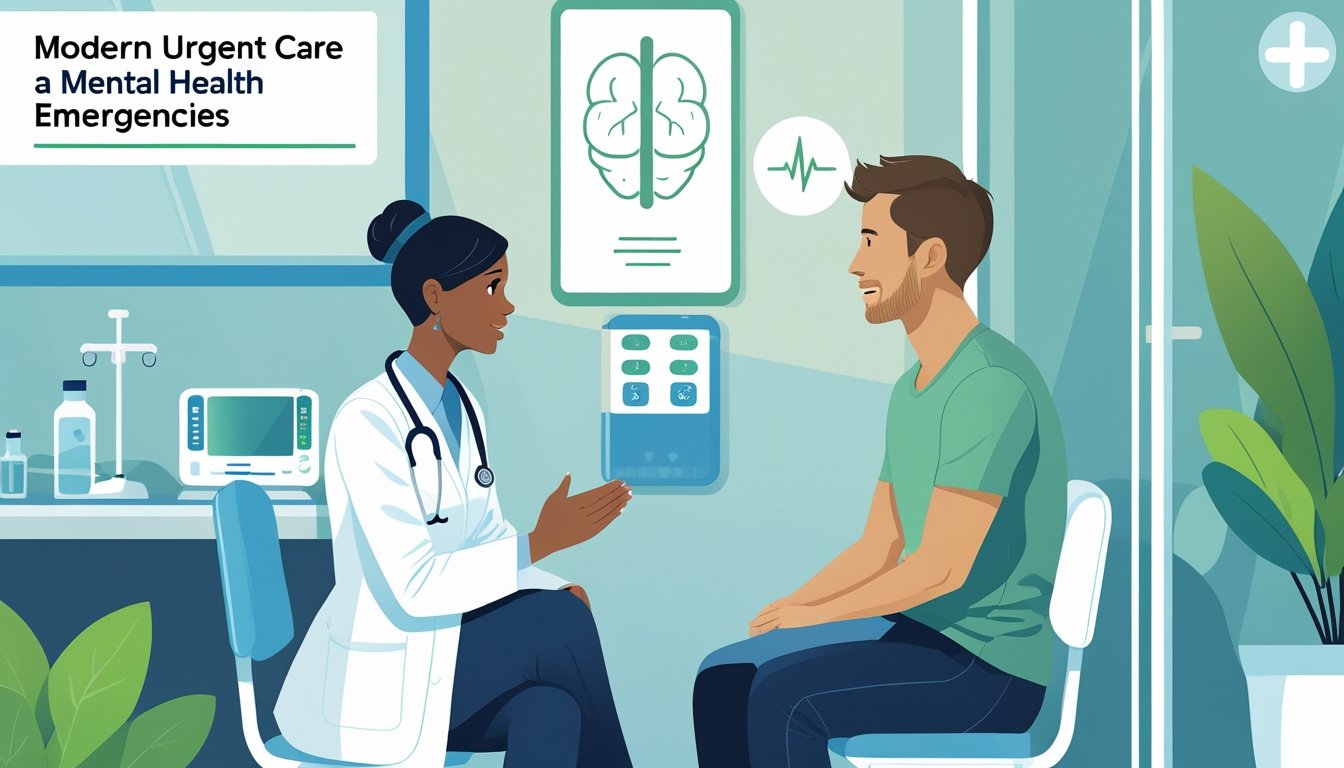
You can get urgent help for some mental health crises, but not all emergencies belong there. If you or someone else faces immediate danger—like active suicidal behavior, violent actions, or severe psychosis—you should go to the ER or call emergency services. For many other acute issues, psychiatric urgent care or behavioral health urgent care can provide timely assessment, short-term treatment, medication adjustments, and referrals.
If you feel sudden intense anxiety, a panic attack, severe depression that you haven’t managed, or an acute problem with medication, urgent care clinics with mental health services can stabilize you. They can connect you to follow-up therapy and help plan next steps.
Tides Mental Health offers virtual and in-person options in Chicago and can be part of that follow-up care. This can help you move from crisis to steady treatment.
Can Urgent Care Treat Mental Health Emergencies
Urgent care can offer quick assessments, short-term stabilizing care, and referrals when you need immediate help. It works best for sudden, non-life-threatening episodes and for connecting you to follow-up resources like Tides Mental Health for therapy and counseling.
Types of Mental Health Emergencies Often Seen
Urgent care commonly treats acute anxiety attacks, severe panic, and sudden worsening of depression. Staff can evaluate your risk of harming yourself or others, provide medication for immediate symptoms, and suggest short-term safety plans.
You may also receive help for panic with physical symptoms (rapid heart rate, breathing trouble) and for severe sleep disruption tied to mood problems. Urgent care can start or adjust medications for anxiety or depression and arrange same-day or next-day follow-up.
If you need ongoing therapy, Tides Mental Health can provide adult counseling for anxiety, depression, life transitions, and couples or family work. You can access most care virtually (60–70%) or in person in the Chicago area (30–40%).
Severity of Cases Handled by Urgent Care
Urgent care handles moderate, non-life-threatening crises. That includes panic attacks that are intense but where you are not suicidal or violent, acute stress reactions, and short-term psych medication needs.
Staff can do risk screening, brief crisis counseling, and provide medications or referrals. They can also set up follow-up with outpatient providers, including virtual therapy through Tides Mental Health, so you get continued care after the visit.
For severe cases—active suicidal intent, psychosis, or harm to others—urgent care will stabilize and transfer you to an emergency department or psychiatric facility. Urgent care is a bridge, not a full substitute for inpatient psychiatric care when high danger exists.
Limitations of Urgent Care for Mental Health Crises
Urgent care centers have limited time and resources for long psychotherapy or complex psychiatric evaluation. Expect a focused, short visit rather than ongoing therapy sessions.
They may not have psychiatrists, inpatient beds, or specialized teams for severe psychosis or prolonged suicidal risk. If your needs exceed triage and stabilization, they must arrange transfer to emergency or specialty services.
For ongoing counseling needs after stabilization, consider Tides Mental Health. You can get focused adult therapy for anxiety, depression, life changes, or couples and family work mostly by virtual sessions, with in-person options in Chicago.
How Urgent Care Addresses Mental Health Needs
Urgent care provides fast, practical help for sudden worsening of anxiety, depression, or stress. You can expect a quick evaluation, immediate safety planning if needed, and connection to follow-up care that fits your needs.
Initial Assessment and Triage Procedures
When you arrive, staff check your immediate safety first. A clinician asks specific questions about suicidal thoughts, harm to others, substance use, recent behavior changes, and current medications.
They also measure vitals and note any physical issues that could affect your mental state. Triage sorts patients by risk and urgency.
High-risk cases get rapid psychiatric review and possible transfer to an emergency department. Lower-risk patients receive a focused mental health assessment and a plan for same-day or next-day follow-up.
You’ll be told whether to wait for an in-person spot in Chicago-area clinics or to use a virtual visit with Tides Mental Health for faster access. The team documents your history, current stressors, and goals for treatment.
That record helps staff decide whether brief crisis therapy, medication, or referral to ongoing counseling is best for you.
Immediate Interventions and Support Offered
Urgent care can give short-term treatments to stabilize you. Clinicians may provide brief crisis counseling, de-escalation techniques, and safety planning you can use at home.
If needed, they can start or adjust medications for anxiety or depression and explain side effects and follow-up steps. You may receive written resources, coping strategies, and referrals to ongoing therapy.
For adults, options include scheduling virtual therapy sessions—where 60–70% of care currently occurs—or in-person appointments at Chicago locations for couples, family, and adult counseling. Tides Mental Health stands ready as an option for quick virtual or local in-person follow-up.
If the issue needs specialty care, urgent care links you to outpatient psychiatry, community programs, or same-day psychiatric urgent care clinics. Staff ensure you leave with clear next steps, emergency contacts, and a plan to keep you safe until longer-term care begins.
Comparing Urgent Care and Emergency Room Capabilities
Urgent care and emergency rooms serve different levels of need. One treats urgent but stable issues and can connect you to outpatient help; the other handles life-threatening risks and can start involuntary holds or inpatient admissions.
Differences in Available Resources
Emergency rooms have 24/7 access to psychiatrists, inpatient beds, and medical teams that can manage severe crises like suicidal behavior, active psychosis, or violent agitation. ERs can give IV medication, run full medical tests, and place involuntary holds when safety laws require it.
They also admit you directly to a psychiatric unit if needed. Psychiatric urgent care centers and many urgent care clinics focus on rapid assessment and short-term stabilization for non-life-threatening problems.
They often offer walk-in behavioral health visits, crisis counseling, medication refills, and referrals to outpatient care. Most urgent care centers do not have inpatient beds, full medical labs, or the authority to detain patients for safety.
If you need immediate inpatient care or complex medical evaluation, urgent care will arrange transfer to an ER.
When to Choose Emergency Room Over Urgent Care
Go to the ER if you or someone else is actively suicidal, making a plan, or has attempted self-harm. Seek ER care for severe psychosis with hallucinations that impair safety, violent behavior, or symptoms that suggest a medical cause like severe confusion, high fever, or a head injury.
The ER can perform rapid medical workups and start emergency meds. Choose urgent care if you feel very distressed but not an immediate danger to yourself or others.
Urgent care suits acute worsening of anxiety, depression, medication issues, or needs for quick counseling and follow-up planning. Tides Mental Health offers mostly virtual scheduling (60–70% telehealth) plus in-person therapy in the Chicago area (30–40%) for adults needing anxiety, depression, life transitions, or couples and family counseling, and can help bridge care between urgent visits and longer-term treatment.
Referral Processes and Follow-Up Care
Urgent care can start immediate safety steps and connect you to longer-term support. You should leave with a clear plan that lists who will see you next, how to contact them, and what to do if symptoms get worse.
Typical Referral Practices to Mental Health Professionals
When urgent care staff determine you need follow-up, they often give a direct referral to a mental health provider. Referrals can include a scheduled telehealth appointment or an in-person intake with a therapist in the Chicago area.
You may receive contact details, appointment times, and any paperwork needed before the visit. Referrals usually match your needs: anxiety or depression treatment, couples or family counseling, or help with life transitions.
If you need medication management, urgent care may refer you to a psychiatrist or a primary care clinician who handles psychiatric meds. Tides Mental Health is available as an option for follow-up care, offering both virtual and Chicago-based in-person services.
Urgent care staff send clinical notes to the referred provider and advise you on insurance, sliding-scale fees, or self-pay options. They also explain emergency steps—who to call and when to return to urgent care or the emergency room.
Importance of Continued Mental Health Care
Continued care reduces the chance of repeat crises and helps you build coping skills over time. Regular therapy sessions—mostly virtual (60–70%) with some in-person visits (30–40%)—let you work through anxiety, depression, relationship issues, or life transitions consistently.
Follow-up includes scheduled therapy, medication check-ins, and crisis plans. You should get a clear timeline for the next appointment and instructions for urgent contact.
If you start with brief urgent-care counseling, plan a transition to ongoing therapy to maintain progress. Tides Mental Health offers ongoing adult therapy and counseling and plans to expand into child and adolescent services.
You can expect care focused on measurable goals, session frequency recommendations, and regular progress reviews to keep your treatment on track.
Challenges and Considerations for Mental Health Treatment at Urgent Care
Urgent care can give fast help, but limits exist in staffing, space, and privacy that affect the type and length of mental health care you receive. Know what to expect so you can get the right next steps and follow-up care.
Resource Availability and Staffing
Many urgent care centers have clinicians trained for short-term medical issues, not long mental health therapy. You might see a nurse practitioner, physician assistant, or primary care clinician who can assess risk, prescribe short-term medication, and make referrals.
They may not have a psychiatrist for complex medication management or therapists for talk therapy. Behavioral health urgent care clinics often staff mental health specialists, but these are less common than general urgent care locations.
If you need ongoing therapy for anxiety, depression, couples work, or life transitions, ask whether the center can schedule follow-up care or connect you with Tides Mental Health. In-person options for longer-term therapy are available in the Chicago area; most ongoing care remains virtual (about 60–70% virtual, 30–40% in-person).
Confirm staffing hours and whether the clinic handles pediatric crises, since many centers focus on adults.
Privacy Concerns in Urgent Care Settings
Urgent care spaces can be busy and open, which can limit privacy during mental health visits. You might speak in a curtained area or a shared triage room rather than a private therapy office.
That can make it hard to discuss sensitive topics like suicidal thoughts, family issues, or trauma. Ask how the clinic protects your information and whether they offer a private room for mental health assessments.
If privacy is limited, request a private consult or a virtual visit with Tides Mental Health, where secure telehealth preserves confidentiality. Also check how the center documents mental health notes and who can access them, especially if you prefer therapy notes kept separate from general medical records.
Improving Access to Mental Health Crisis Care
You need quick, clear options when a mental health crisis hits. Urgent care and crisis centers can give same-day assessments and short-term support.
These centers also help with medication and care coordination. They reduce pressure on emergency rooms and get you to the right care faster.
Tides Mental Health offers both virtual and in-person crisis support you can use right away. About 60–70% of care is virtual, so you can get counseling and urgent assessments from home.
If you prefer face-to-face help, in-person services are available in the Chicago area.
For concerns like anxiety, depression, life transitions, and relationship stress, urgent behavioral health clinics and mental health urgent care provide fast access to therapy and brief treatment.
They connect you to ongoing outpatient care, referrals, and community resources when needed.
If you or someone you know needs immediate help, call local crisis lines or present to an urgent behavioral health clinic.
Tides Mental Health can coordinate follow-up care, including adult therapy, couples and family counseling, and plans to expand child and adolescent services.