
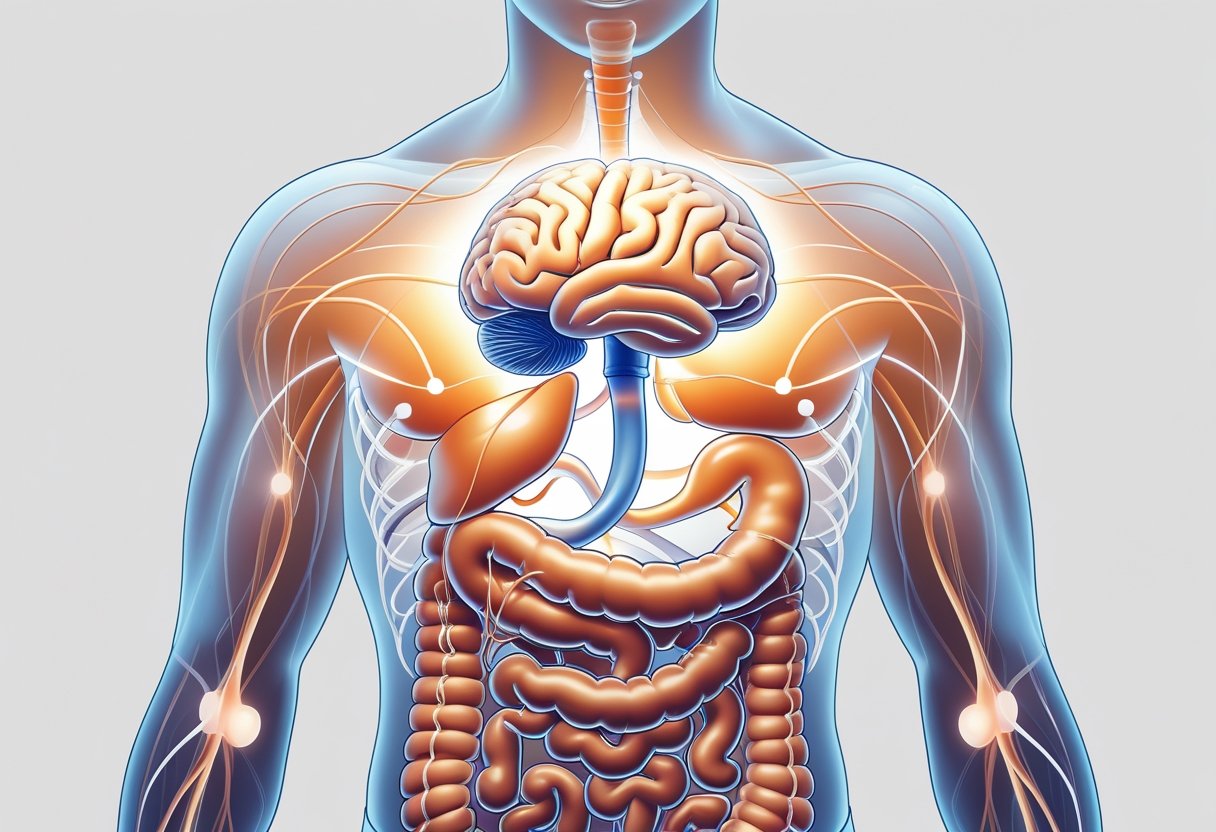
Anxiety affects various aspects of your life, often presenting physical symptoms that go beyond mental distress. Many individuals experience digestive issues alongside their emotional struggles, leading to discomfort and frustration. Understanding the connection between anxiety and digestive issues can help you manage both your mental and physical well-being.
Your gut is sensitive to emotions; stress and anxiety can manifest as nausea, diarrhea, or even stomach pain. This bidirectional relationship shows how psychological and physical health are intertwined, making it essential to address both areas for effective relief. If you’ve noticed persistent stomach problems linked to feelings of anxiety, you are not alone, and recognizing this connection is the first step towards finding a solution.
Tides Mental Health can provide support tailored to your needs, helping you navigate the challenges of anxiety and its impact on your digestive health. By exploring therapeutic options, you can work towards a healthier mind and body.
Understanding the Connection Between Anxiety and Digestive Issues
Anxiety significantly affects your digestive health, creating a complex interaction between mental and physical well-being. The symptoms can manifest in various ways, demonstrating the close relationship between your mind and digestive system.
How Anxiety Triggers Digestive Symptoms
Anxiety activates your body’s fight-or-flight response, which directly influences your digestive system. When you’re anxious, your body releases stress hormones like cortisol and adrenaline. These hormones can slow down digestion or lead to increased gut motility, resulting in symptoms such as nausea, diarrhea, or abdominal discomfort.
Moreover, anxiety can lead to changes in your appetite. You may notice that you eat less or seek comfort food, both of which can impact your digestive health. Over time, this can create a cycle where digestive issues exacerbate your anxiety, leading you to feel a sense of discomfort and distress after eating.
The Role of Stress and Anxiety in Gut Health
The relationship between stress, anxiety, and gut health is rooted in the gut-brain axis, a communication network between your digestive system and brain. When you’re under stress, this axis becomes disrupted. Stress can alter gut bacteria, leading to an imbalanced microbiome, which is crucial for healthy digestion.
Chronic stress can also contribute to conditions like Irritable Bowel Syndrome (IBS) and gastroesophageal reflux disease (GERD). Both conditions often see an increase in symptoms during periods of heightened anxiety. Understanding this connection can help you identify triggers and seek appropriate therapeutic support, such as those offered at Tides Mental Health.
Common Digestive Symptoms Associated With Anxiety
Anxiety can lead to a variety of digestive symptoms that may vary in intensity and type. Common symptoms include:
- Nausea: A feeling of unease in the stomach that can occur suddenly.
- Diarrhea: Frequent loose or watery stools that can be triggered by anxiety.
- Constipation: Difficulty in passing stools may arise due to a tense digestive system.
- Bloating: A feeling of fullness or swelling in the abdomen can manifest during stressful times.
- Heartburn: Stress can exacerbate acid reflux, leading to a burning sensation in your chest.
Recognizing these symptoms is vital for managing both anxiety and digestive health. If you experience severe or persistent digestive problems, consulting with a mental health professional can provide targeted strategies to help you cope effectively.
The Gut-Brain Axis: Communication Pathways
The gut-brain axis represents a complex communication network between your digestive system and brain, influencing your emotional and physical wellbeing. Its mechanisms involve the enteric nervous system, various neurotransmitters, hormonal signals, and the role of the microbiome. Understanding these pathways can offer insights into managing anxiety and digestive issues.
Enteric Nervous System and Neurotransmitters
The enteric nervous system (ENS) is often referred to as your “second brain.” It contains millions of neurons that allow it to operate independently of the central nervous system. The ENS communicates with the brain through the vagus nerve, facilitating a bidirectional exchange of information.
Key neurotransmitters produced in the gut include serotonin, which is critical for regulating mood, and gamma-aminobutyric acid (GABA), known to have calming effects. Approximately 90% of serotonin is synthesized in the gastrointestinal tract. When there are disruptions in gut health, such as dysbiosis, the balance of these neurotransmitters can be affected, potentially leading to heightened anxiety.
Hormonal and Chemical Messengers
In addition to neurotransmitters, hormonal and chemical messengers play a vital role in the gut-brain communication pathway. Cortisol, often called the stress hormone, can influence gut function. Prolonged stress can lead to elevated cortisol levels, which may disrupt digestion and contribute to gastrointestinal conditions.
Adrenaline, another stress-related hormone, can also impact your gut’s responsiveness. When you’re anxious, your body may divert energy away from digestion, causing issues like bloating and discomfort. Understanding how stress hormones interact with the gut can help you identify ways to mitigate anxiety-induced digestive problems.
Microbiome and Probiotics
The gut microbiome consists of trillions of microorganisms that influence various aspects of your health, including brain function. A balanced microbiome can contribute to the production of beneficial neurotransmitters while a disrupted microbiome can exacerbate feelings of anxiety.
Probiotics are beneficial live bacteria that can enhance gut health and, in turn, support mental wellbeing. Research indicates that probiotics may help reduce symptoms of anxiety by restoring gut balance and positively influencing neurotransmitter levels. Incorporating probiotics into your routine, whether through diet or supplements, can thus be a strategic approach to improving both digestive and mental health.
How Anxiety Manifests in Digestive Problems
Anxiety can lead to a range of digestive issues that significantly impact daily life. Understanding how anxiety connects to specific gastrointestinal disorders helps identify and manage the symptoms effectively.
Irritable Bowel Syndrome and Gastrointestinal Disorders
Irritable Bowel Syndrome (IBS) is a common condition that often coexists with anxiety disorders. It is characterized by symptoms like abdominal pain, cramping, and alterations in bowel habits. Approximately 60% of IBS patients experience anxiety, indicating a strong link. This relationship can intensify gastrointestinal discomfort, leading to flare-ups when anxiety levels rise. Stress may contribute to inflammation in the digestive tract, exacerbating symptoms. It’s essential to address both anxiety and IBS symptoms simultaneously for effective management.
Bowel Irregularities: Diarrhea and Constipation
Anxiety can disrupt normal bowel movements, resulting in both diarrhea and constipation. During periods of heightened stress, you may experience urgent and frequent diarrhea, which can cause dehydration and further anxiety. In contrast, some individuals may find that anxiety leads to constipation, characterized by infrequent bowel movements and straining during excretion. This variability in bowel function reflects how emotions profoundly influence the digestive system. Recognizing these patterns can aid in developing coping strategies tailored to your individual experience.
Nausea, Bloating, and Indigestion
Nausea and bloating are common manifestations of anxiety that can leave you feeling uncomfortable and stressed. Anxiety triggers the release of stress hormones that can lead to an upset stomach, resulting in discomfort and a sense of fullness. Alongside nausea, you might experience indigestion marked by stomach cramps and acidity. These symptoms often feel overwhelming and can deter individuals from eating, further complicating digestive health. Managing anxiety through therapeutic approaches may alleviate these gastrointestinal manifestations effectively.
Appetite Changes: Loss of Appetite and Unnatural Hunger
Anxiety affects your appetite in varied ways. For some, stress leads to a loss of appetite, making it challenging to consume adequate nutrients. This can weaken your immune system and overall health. Conversely, others may experience unnatural hunger, driven by emotional eating in response to stress. This could lead to poor food choices, affecting digestion and leading to symptoms like bloating or discomfort. Recognizing your emotional triggers and working with a professional can help restore a healthy relationship with food while addressing both anxiety and its impact on your digestive system.
For those seeking support, Tides Mental Health offers comprehensive services tailored to address anxiety and its related digestive issues, available through virtual or in-person sessions in the Chicago area.
The Vicious Cycle: How Digestive Issues Impact Anxiety
Chronic digestive issues can create a feedback loop that exacerbates anxiety. When you experience persistent gastrointestinal symptoms, it’s common to see increased mental strain. This section explores how digestion affects mental health, behavioral responses, and when to seek professional guidance.
The Psychological Effects of Chronic Digestive Symptoms
Living with chronic digestive symptoms can significantly affect your mental well-being. You may find yourself feeling heightened anxiety and stress due to fears of having an episode while in social settings or at work. Common symptoms like bloating, diarrhea, or stomach pain can lead to feelings of frustration and a sense of loss of control.
The psychological toll can manifest as chronic anxiety or even lead to more serious mental health disorders. Regular discomfort may contribute to a state of hyper-vigilance, where you constantly monitor your body and environment for triggers. Over time, this can inhibit your ability to enjoy daily activities or even lead to avoidance behaviors, further isolating you and compounding feelings of anxiety.
Behavioral Responses and Social Impact
The impact of digestive symptoms often extends beyond personal discomfort. You may find yourself avoiding social engagements out of fear your symptoms will flare up. This behavioral response can lead to social withdrawal and a reduction in your overall quality of life.
In many cases, the stigma around gastrointestinal issues makes it challenging to discuss your experiences openly, causing a strain on relationships with friends and family. It can also affect your job performance, as the anxiety about potential symptoms may hinder your focus and productivity. This cycle can perpetuate feelings of inadequacy or failure, which are additional stressors that can worsen existing mental health concerns.
Recognizing When to Seek Medical Help
It’s crucial to recognize the signals that indicate it’s time to consult a professional. If you notice that your anxiety is becoming overwhelming, or if digestive symptoms are persistent and affecting your daily life, seeking expert guidance is essential. A gastroenterologist can help assess your digestive health, while a mental health professional can address the emotional aspects.
You might benefit from therapy focused on managing both anxiety and digestive symptoms. Practices that include relaxation techniques and cognitive behavioral therapy can be effective. If you’re located in the Chicago area and seek in-person support, consider reaching out to Tides Mental Health. They provide services tailored for individuals facing these interconnected challenges. Remember, you are not alone in this experience, and support is available to break the cycle between anxiety and digestive issues.
Effective Strategies to Manage Anxiety-Related Digestive Issues
Managing anxiety-related digestive issues involves implementing specific strategies that can enhance your well-being. Focusing on relaxation techniques, physical activity, mindful eating, and seeking professional support can be highly effective in alleviating symptoms.
Relaxation Techniques and Deep Breathing
Incorporating relaxation techniques into your daily routine can significantly reduce anxiety and its impact on digestion. Deep breathing exercises are especially beneficial; they help activate the body’s relaxation response. Focus on inhaling slowly through your nose, allowing your abdomen to rise, and then exhaling gently through your mouth. Repeat this for several minutes.
You may also explore other methods such as progressive muscle relaxation, guided imagery, or meditation. These techniques can facilitate mental clarity and physical relaxation, reducing tension that interferes with digestion. Consider setting aside a few minutes daily to engage in these practices, especially before meals.
Exercise, Physical Activity, and Yoga
Regular exercise plays a crucial role in managing anxiety and improving digestive health. Physical activity releases endorphins, which elevate your mood and reduce stress. Aim for at least 30 minutes of moderate exercise most days, whether it’s walking, cycling, or dancing.
Yoga can be particularly effective due to its combination of physical movement and deep breathing. Poses such as Child’s Pose, Seated Forward Bend, and Cat-Cow not only strengthen your body but also enhance relaxation. Additionally, engaging in 15 minutes of yoga daily can promote better digestion by stimulating gut motility.
Mindful Eating and Dietary Changes
Mindful eating encourages you to focus fully on your meals, which can help mitigate anxiety-related digestive issues. Slow down and savor each bite, paying attention to flavors and textures. This practice fosters better digestion and reduces overeating.
Alongside mindful eating, consider making dietary changes to support your gut health. Reduce processed foods, sugar, and caffeine, as they can exacerbate anxiety and digestive discomfort. Instead, incorporate foods rich in fiber, probiotics, and healthy fats, such as fruits, vegetables, yogurt, and nuts. A balanced diet can improve gut function and overall well-being.
Therapy and Professional Support
Seeking therapy is an effective way to address anxiety and its related digestive issues. Engaging with a mental health professional can help you develop coping strategies for stress and anxiety. Therapy sessions provide a safe environment to explore underlying issues affecting your emotional and physical health.
Tides Mental Health offers a range of virtual and in-person therapy options tailored to your needs. Working with professionals skilled in anxiety and life transitions can equip you with tools to manage stress effectively. If you live in the Chicago area, consider scheduling an in-person session to benefit from face-to-face interaction, which some individuals find particularly supportive.
Long-Term Outlook and Improving Digestive and Mental Health
Maintaining a balanced gut and mental health requires commitment and regular evaluation. By actively tracking symptoms, building sustainable habits, and enhancing communication with healthcare providers, you can foster significant improvement over time.
Tracking Symptoms and Monitoring Progress
Establish a routine for tracking your symptoms related to both anxiety and digestive health. Use a journal or a digital app to log daily experiences, including mood fluctuations, digestive patterns, and any triggers you observe. Note specific foods, stress levels, and any lifestyle changes you attempt. By analyzing this data over time, you may identify patterns that correlate with improvements or setbacks.
Consider incorporating tools such as charts or graphs to visualize symptom patterns. Regular self-assessment will empower you to make informed decisions about your health and adapt your strategies when necessary. Recognizing gradual changes can motivate you to stay on course.
Building Sustainable Habits for Gut and Mind
Adopting lifestyle changes that prioritize both digestive health and mental well-being is vital for long-term success. Focus on creating a balanced diet rich in nutrients that support gut health, such as probiotics and prebiotics. Integrate foods like yogurt, kimchi, and whole grains into your meals.
Regular physical activity also plays a crucial role. Aim for at least 150 minutes of moderate exercise weekly, as this supports both digestive function and mental clarity. Additionally, practice stress-reduction techniques—like mindfulness, yoga, or deep breathing—that can alleviate anxiety and promote gut health. Setting realistic goals for these habits ensures they become an integral part of your lifestyle.
Enhancing Communication With Healthcare Providers
Effective communication with your healthcare provider is essential for managing both anxiety and digestive issues. Prepare for appointments by compiling notes on your symptoms, potential triggers, and lifestyle changes implemented. This information will help your provider understand your situation better and provide tailored advice.
Be open about your mental health concerns, as anxiety can directly impact digestive function. Regular check-ins allow for adjustments in treatment plans when necessary. Virtual therapy options may offer convenience, allowing you to maintain support for your mental health. Engaging with professionals, like those at Tides Mental Health, can be instrumental in developing a personalized plan that addresses the connection between your digestive health and anxiety.
Frequently Asked Questions
Understanding the connection between anxiety and digestive issues can raise several questions. Here are some key points related to how anxiety manifests in the body, specific symptoms to look for, and strategies to improve both mental and digestive health.
How does anxiety manifest as stomach pain?
Anxiety can lead to stomach pain through various mechanisms. When you experience anxiety, your body enters a state of heightened alertness. This can cause muscle tension, including in your stomach, leading to discomfort or sharp pain. Additionally, stress hormones can disrupt typical digestive processes, resulting in cramping or bloating.
What symptoms might indicate anxiety-related digestive discomfort?
You may notice several symptoms that suggest a link between anxiety and digestive issues. Common manifestations include nausea, diarrhea, and changes in appetite. Abdominal pain can also occur, often without a clear physical cause. These symptoms frequently align with feelings of stress or anxiety, reinforcing the gut-brain connection.
In what ways can treating the gut-brain axis improve anxiety?
Addressing the gut-brain axis can enhance your overall mental health. Studies suggest that improving gut health through dietary changes or probiotics can positively affect mood and anxiety levels. By fostering a balanced gut microbiome, you may enhance your body’s ability to manage stress and anxiety more effectively.
What strategies can enhance gut health to alleviate anxiety symptoms?
To improve gut health and potentially alleviate anxiety, consider integrating certain foods into your diet. Consuming probiotics found in yogurt or fermented foods can support digestive health. Additionally, a diet rich in whole grains, fruits, and vegetables can provide necessary nutrients that promote both gut and mental health.
Is there a relationship between chronic stress and digestive disorders?
Yes, chronic stress is known to correlate with various digestive disorders. Prolonged stress can exacerbate conditions such as Irritable Bowel Syndrome (IBS) and gastroesophageal reflux disease (GERD). The ongoing interaction between stress and your digestive system can lead to a cycle of worsening symptoms.
How do digestive issues potentially trigger or worsen anxiety?
Digestive issues can create a feedback loop, where discomfort increases anxiety, which in turn exacerbates digestive problems. When you experience digestive pain or irregularities, it can lead to increased worry and stress about your health. This heightened anxiety can make existing digestive issues feel more intense or frequent.