
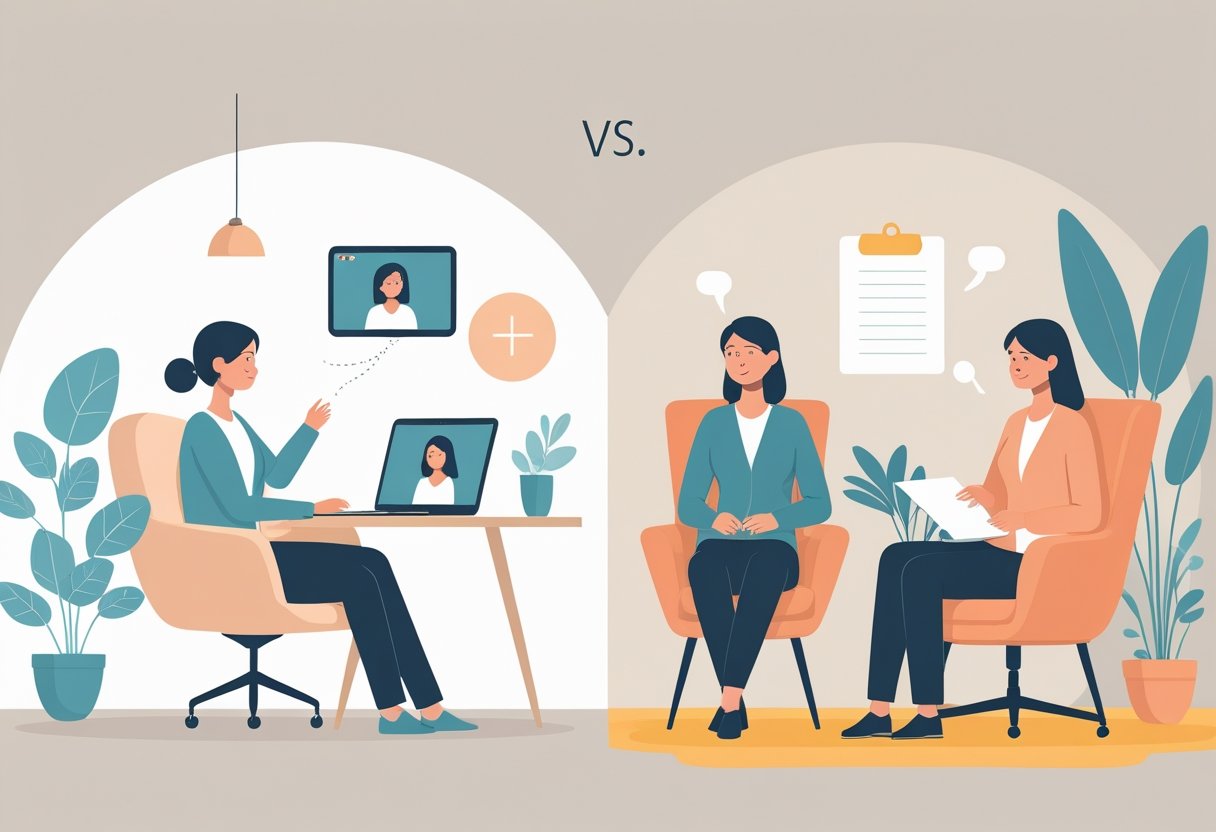
The choice between online therapy and in-person therapy has become increasingly relevant as many individuals seek mental health support. Research indicates that both formats can be equally effective, depending on individual needs and specific conditions. This article will explore the strengths and limitations of each approach, helping you to decide which option best fits your lifestyle and therapeutic goals.
Online therapy offers advantages such as flexibility and accessibility, making it a convenient choice for many dealing with anxiety, depression, or life transitions. On the other hand, in-person therapy may provide a deeper interpersonal connection, which some find crucial for their healing process. As you consider these options, it’s essential to weigh how each format aligns with your preferences and circumstances.
For those in the Chicago area, you have the convenience of choosing either virtual sessions or in-person meetings to cater to your specific needs. At Tides Mental Health, we understand the importance of this decision and offer tailored solutions to support your journey. Reading further will help clarify which therapy option could be the most beneficial for you.
Defining Online Therapy and In-Person Therapy
Understanding the distinction between online therapy and in-person therapy is fundamental in selecting the right approach for your mental health needs. Each method has its unique characteristics and can cater to different preferences and circumstances.
Overview of Therapy Delivery Methods
Therapy is primarily delivered through two main modalities: online and in-person. Online therapy, often referred to as telehealth or telemedicine, utilizes technology to connect clients with therapists through video conferencing, phone calls, or messaging. This method offers flexibility and convenience, allowing you to access mental health services from home or any location.
In contrast, in-person therapy involves face-to-face interaction with a therapist at a designated office or clinic. This traditional approach is characterized by a physical environment that may enhance certain aspects of the therapeutic experience, such as non-verbal communication and personal connection. Both methods aim to address mental health issues like anxiety, depression, and life transitions, providing tailored support to meet your specific needs.
Technology and Settings for Online Therapy
Online therapy leverages various technologies to facilitate communication. Platforms often include video conferencing tools, secure messaging systems, and digital appointment scheduling to streamline the process. Therapists can use accessible software designed to maintain confidentiality, ensuring that your information remains private and secure.
The setting for online therapy is typically any quiet and private space you choose, enabling you to create a comfortable environment. The increased availability of virtual therapy means you can easily find a qualified therapist without geographical restrictions. Research indicates that many clients find comfort in engaging with therapists from familiar settings, leading to increased participation and adherence to treatment plans.
Traditional Approaches in Face-to-Face Therapy
In-person therapy has remained a longstanding method for delivering mental health services. This approach allows for rich interpersonal dynamics, including the ability to observe body language and notice emotional cues that could enhance therapeutic understanding. Therapists often design office spaces to promote safety and relaxation, which can facilitate open dialogue.
Face-to-face interactions can foster a deeper sense of trust and connection, which may be particularly impactful in sensitive settings like couples or family counseling. In-person therapy offers structured sessions that can enhance accountability and commitment. This method remains prevalent, especially among individuals who prefer the personal touch that physical presence provides. For those based in the Chicago area seeking in-person solutions, Tides Mental Health can offer tailored support to address your unique circumstances.
Comparative Effectiveness: What the Research Shows
Research on the effectiveness of online versus in-person therapy provides valuable insights into patient outcomes, the severity of symptoms, and overall quality of life. Understanding these dynamics can help you choose the most suitable therapy approach for your needs.
Clinical Outcomes and Patient Results
Numerous studies indicate that online therapy is comparable to in-person therapy in treating conditions like depression and anxiety. For instance, a meta-analysis found no significant difference in clinical outcomes between the two modalities. Patients often report similar levels of satisfaction and improvement in depressive symptoms. Teletherapy can also enhance accessibility, making it easier for you to fit sessions into your schedule.
With programs that maintain strong therapeutic relationships, such as those offered through Tides Mental Health, you can benefit from a tailored approach, regardless of whether your sessions are virtual or in-person. Both methods have shown positive patient outcomes, emphasizing that the most effective therapy ultimately depends on individual preferences and specific circumstances.
Randomized Controlled Trials and Systematic Reviews
A review of randomized controlled trials consistently shows that online therapy is as effective as face-to-face therapy for various mental health issues. One study highlighted that both methods led to significant reductions in symptoms of anxiety and depression over time.
Moreover, systematic reviews reveal that while online therapy might not be suitable for every case, its efficacy is apparent for many common mental health issues. Research indicates you can achieve similar therapeutic goals through virtual means, particularly when you are engaged and committed to the process. Tides Mental Health leverages these findings to ensure you receive effective care, whether you opt for virtual or in-person sessions.
Symptom Severity and Quality of Life
The impact of therapy on symptom severity and quality of life is crucial to your mental health journey. Research suggests that both online and in-person therapeutic approaches significantly improve quality of life for individuals with anxiety and depressive symptoms.
Therapists using either method have been found to facilitate meaningful change, leading to better management of mental illness. Improved stability and coping skills enhance your overall well-being, allowing for smoother life transitions. When choosing a method, consider how each option aligns with your lifestyle. Tides Mental Health focuses on personalizing therapy to help you navigate these personal challenges effectively.
Factors Impacting Therapy Effectiveness
The effectiveness of therapy—whether online or in person—depends on several key factors. Understanding these elements can help you make more informed choices in your mental health journey.
Therapeutic Alliance and Engagement
The relationship you build with your therapist, known as the therapeutic alliance, is crucial. A strong therapeutic alliance promotes trust, which can enhance your engagement during therapy sessions. Engagement creates an open communication channel, allowing for deeper exploration of issues related to anxiety, depression, or life transitions.
Therapists often use various treatment modalities tailored to your needs, such as Cognitive Behavioral Therapy (CBT) or psychodynamic approaches. The success of these modalities often hinges on how well you connect with your therapist. According to the American Psychological Association, a solid alliance can lead to positive outcomes, regardless of whether your sessions are virtual or in-person.
Suitability for Various Mental Health Conditions
Not all therapy methods work equally for every mental health condition. For example, online therapy can be particularly effective for anxiety and mild to moderate depression. In contrast, more complex issues may benefit from in-person sessions, where non-verbal cues and body language can enhance communication.
When assessing the suitability of therapy formats, consider your specific mental health needs. For couples or family counseling, in-person sessions might allow for richer interactions among participants. Each condition may require different approaches, so you should discuss your options with a licensed therapist who understands your unique situation.
Role of Licensed Therapists and Professional Guidelines
The qualifications of your therapist play a significant role in treatment effectiveness. Licensed therapists adhere to professional guidelines set by organizations like the American Psychiatric Association. Their training ensures they are equipped to handle a variety of conditions and modalities competently.
You should prioritize working with a licensed professional who is familiar with both online and in-person therapies. Therapists trained in current evidence-based practices can provide you with effective intervention strategies specifically designed for your needs. For those located in the Chicago area or considering options for virtual sessions, Tides Mental Health offers qualified therapists to support your mental health journey effectively.
Effectiveness Across Specific Mental Health Conditions
The effectiveness of therapy can vary significantly depending on the mental health conditions being addressed. Understanding how online and in-person therapy compare for different issues can help you make informed decisions about your treatment options.
Depression and Anxiety Disorders
Research shows that both online and in-person therapy are effective in treating depression and anxiety disorders. Cognitive Behavioral Therapy (CBT), widely used for these conditions, has demonstrated similar success rates in both formats. A study highlighted findings that indicated telehealth treatment resulted in improvements comparable to traditional therapy in reducing depressive symptoms and anxiety levels.
Moreover, clients often appreciate the accessibility and convenience of online therapy, which can alleviate barriers like location and scheduling conflicts. With online platforms, you can access mental health support more readily, which is particularly beneficial for individuals with busy lifestyles or those living in remote areas.
Addiction and Eating Disorders
When it comes to addiction disorders and eating disorders, in-person therapy traditionally provides critical face-to-face support necessary for these complex issues. However, recent studies indicate that online therapy can also be effective, providing a flexible option for those in recovery.
Research conducted with large participant groups found that online therapy not only delivered the same therapeutic benefits but also helped reduce stigma. This is especially important for individuals grappling with addiction or eating disorders, where societal judgment can be a barrier. Combining online sessions with in-person meetings may optimize recovery, allowing for a more personalized approach tailored to your needs.
Childhood and Adolescent Mental Health Problems
While the focus here is primarily on adult therapy, it’s essential to recognize the growing emphasis on childhood and adolescent mental health. Programs that involve childhood mental health problems are beginning to incorporate online therapy methods, particularly in light of increased remote learning.
Though in-person interaction remains crucial for younger clients, studies show that teletherapy can be effective in engaging children and adolescents. Online platforms designed specifically for young people can facilitate communication and make therapy feel more accessible. As therapy options expand, combining both approaches may provide a more comprehensive solution for younger populations dealing with mental health challenges.
Tides Mental Health offers a range of options for those seeking to address these conditions effectively, whether virtually or in-person.
Treatment Modalities: Online vs In-Person Implementation
Examining the effectiveness of treatment modalities highlights key differences between online and in-person therapies. You’ll find that various forms of psychotherapy, such as Cognitive Behavioral Therapy and telepsychiatry, can be adapted for both settings, each offering distinct advantages.
Cognitive Behavioral Therapy (CBT) and Telepsychology
Cognitive Behavioral Therapy (CBT) is widely recognized for its effectiveness in treating anxiety and depression. In a virtual context, telepsychology utilizes video conferencing tools to maintain the structured and goal-oriented essence of CBT. This modality allows you to engage in a therapeutic process from the comfort of your home, eliminating travel time and anxiety associated with in-person visits.
Research has shown that CBT delivered through telehealth services retains comparable effectiveness to traditional face-to-face therapy. Key components, such as homework assignments and real-time feedback, can seamlessly transfer to an online platform. Furthermore, virtual sessions often encourage some clients to be more open, as they can relax in familiar surroundings.
Interpersonal and Family Therapies
Interpersonal therapy (IPT) and family therapy aim to improve communication and resolve conflicts. In-person settings typically offer a nuanced environment that fosters immediate emotional connection and interaction. However, virtual platforms can still facilitate effective communication and support among family members who may be geographically dispersed.
Using video calls, therapists can guide families through discussions that enhance understanding and cohesion. Technology also allows for scheduling flexibility, making it easier for busy families to participate. Engage in structured exercises during sessions that can be followed up with quick messaging or additional resources, providing continuity between meetings.
Telepsychiatry and Telemental Health Services
Telepsychiatry expands access to psychiatric assessments and medication management efficiently through telehealth services. Whether connecting with a psychiatrist for medication reviews or receiving psychotherapy, you can benefit from a virtual setup that fits your lifestyle. This is particularly advantageous for those in remote areas or with mobility restrictions.
Telemental health services encompass a broad range of therapeutic interventions, including group therapy and specialized sessions tailored to your needs. Many practitioners now combine live video consultations with asynchronous communication options, which can enhance your therapy experience. This modern approach often leads to higher engagement and consistency in treatment, particularly for individuals managing chronic conditions like anxiety or depression.
Accessibility, Impact of the COVID-19 Pandemic, and Future Directions
The shift in mental health service delivery has underscored the significance of accessibility during the COVID-19 pandemic. Understanding these dynamics provides a clearer picture of how telehealth options can meet various needs and preferences in therapy.
Accessibility, Stigma, and Digital Divide
Accessibility remains a critical factor in mental health services. Telehealth has effectively expanded access for many, allowing individuals to receive therapy remotely. This is especially beneficial for those in rural or underserved areas, where in-person options may be limited.
However, a digital divide exists, often impacting low-income populations and those without reliable internet access. Stigma surrounding mental health treatment can also deter individuals from seeking help, whether online or in-person. Some may perceive teletherapy as less effective or feel uncomfortable discussing personal matters through a screen. Tackling these barriers is essential to ensure everyone can benefit from available mental health resources.
Influence of the COVID-19 Pandemic on Therapy Delivery
The COVID-19 pandemic catalyzed a rapid transformation in therapy delivery. Social distancing measures and health concerns pushed many mental health professionals to adopt telehealth models. As a result, therapy sessions transitioned to platforms that facilitate virtual communication, maintaining continuity in care.
This shift has proven effective; studies indicate that online therapy can match the efficacy of traditional in-person sessions. Prior to the pandemic, many were hesitant about teletherapy. However, increased familiarity with technology has fostered a greater acceptance of virtual options. You can utilize these technologies to address concerns related to anxiety and depression effectively.
Emerging Trends and Considerations for Patient Choice
As mental health services evolve, several trends emerge that shape patient choice. The continued integration of telehealth in therapy provides options that prioritize flexibility and convenience. Currently, 60-70% of therapy sessions may occur online, accommodating your schedule and personal preferences.
Additionally, there’s an expanding focus on specialized services, including child and adolescent therapy and couples or family counseling. As providers address diverse needs, you gain the ability to select a format that feels more comfortable. Tides Mental Health offers personalized solutions, whether you prefer virtual interactions or are seeking in-person therapy in the Chicago area. This adaptability will likely continue as both clients and providers recognize the benefits of innovative approaches in mental health care.
Frequently Asked Questions
When considering the effectiveness of online versus in-person therapy, several specific aspects come into play. Key factors include measurable differences in effectiveness, cost comparisons, potential disadvantages, confidentiality concerns, the therapeutic alliance, and long-term outcomes. Each of these elements can significantly influence your choice of therapy format.
What are the measurable differences in effectiveness between online and in-person therapy?
Research indicates that both online and in-person therapy can be effective for managing conditions such as anxiety and depression. Studies suggest that the outcomes are often comparable, depending on individual preferences and the specific therapeutic approach used. Effectiveness may vary based on the complexity of mental health issues and the rapport established between you and your therapist.
How do the costs of online therapy compare with traditional in-person sessions?
Generally, online therapy tends to be more cost-effective than in-person sessions. The reduced overhead for therapists often translates into lower fees for clients. Additionally, the convenience of accessing therapy from home may save you travel expenses and time, making online options an appealing alternative.
What are the potential disadvantages associated with online therapy?
One potential disadvantage of online therapy is the reliance on technology. Issues like poor internet connection can disrupt sessions, affecting the overall experience. Additionally, some individuals may find it challenging to connect emotionally through a screen, which can impact the therapeutic relationship.
Can online therapy provide the same level of confidentiality and privacy as in-person therapy?
Yes, online therapy can offer similar levels of confidentiality and privacy as in-person sessions, provided that secure platforms are used. Therapists typically adhere to strict privacy regulations, ensuring that your information remains confidential. It’s essential to choose a provider who prioritizes data security, which you can confirm during your initial consultation.
How does the therapeutic alliance in online therapy compare to that of in-person settings?
The therapeutic alliance, or the bond between you and your therapist, can be established in both online and in-person settings. While some may argue that in-person interactions allow for deeper connections, many find that online therapy fosters trust through comfort and convenience. Your experience may vary based on personal preferences and the skills of your therapist.
What does current research suggest about the long-term outcomes of online therapy versus in-person therapy?
Current research indicates that long-term outcomes for online therapy can be comparable to in-person therapy, particularly for conditions like anxiety and depression. Studies suggest that clients who engage consistently in online sessions demonstrate similar improvements in mental health as those attending traditional sessions. As more people choose online options, the evidence supporting its effectiveness continues to grow.
For those seeking personalized therapy solutions in the Chicago area, consider Tides Mental Health, which offers both online and in-person therapy options tailored to your needs.