
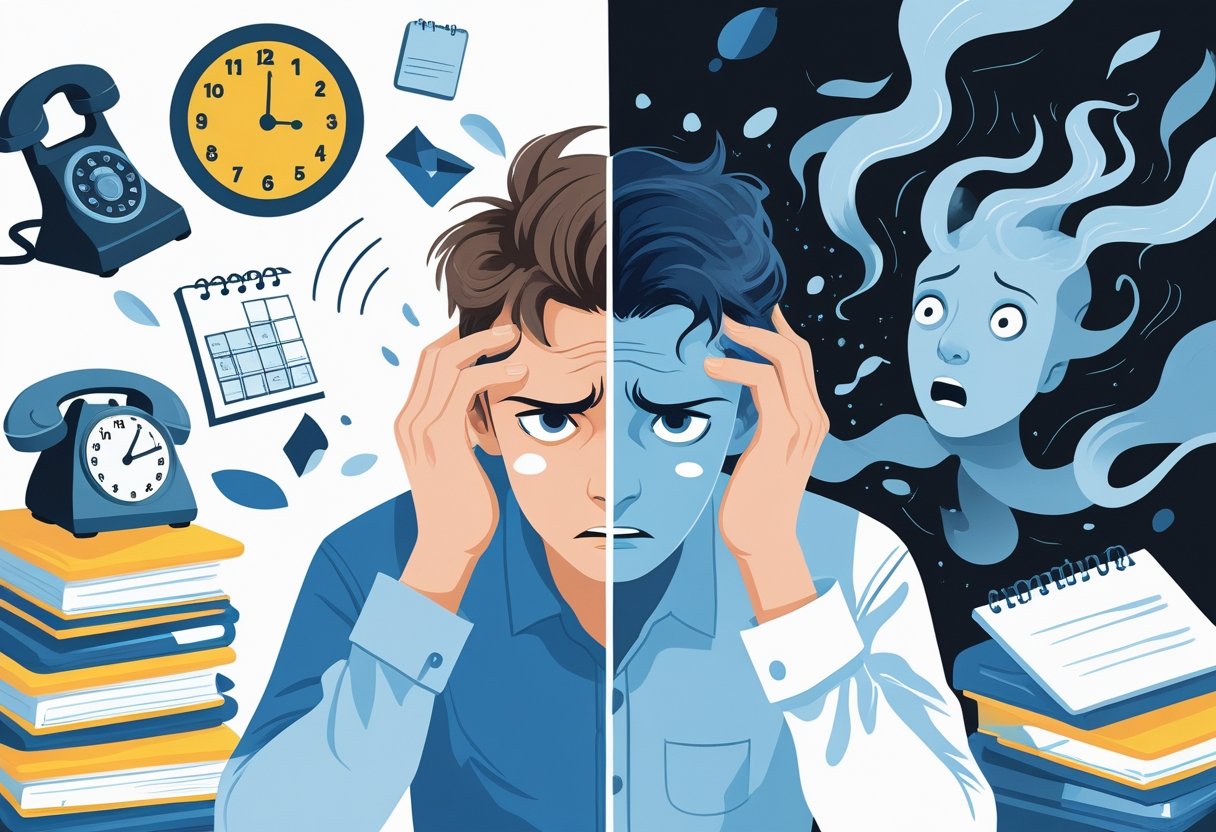
Navigating the complexities of your emotional well-being can be challenging, especially when it comes to understanding stress and anxiety. While they may seem similar at first glance, these two responses have distinct differences that can significantly impact your daily life. Stress is typically a response to an external trigger, whereas anxiety can persist even in the absence of stressors, affecting your mental state more profoundly.
Recognizing the nuances between stress and anxiety is crucial for effective coping strategies. Stress often subsides once the triggering situation resolves, while anxiety may require more targeted approaches to manage. This understanding can empower you to take appropriate steps to regain your peace of mind and emotional balance.
If you find yourself struggling with these feelings, seeking professional support can make a significant difference. Tides Mental Health offers tailored therapy solutions that focus on anxiety, depression, and life transitions, helping you find the clarity and calm you deserve. Explore the options available, both virtually and in the Chicago area, to better navigate your mental health journey.
Core Differences Between Stress and Anxiety
Understanding the distinctions between stress and anxiety is essential for recognizing how they affect your mental health and daily life. Each condition has unique origins and symptoms, which can significantly influence your well-being.
Origins and Triggers
Stress typically arises from external factors such as work pressure, relationship issues, or life changes. It is a response to specific challenges you face. For example, preparing for a critical presentation may cause stress, which subsides once the pressure is lifted.
Anxiety, on the other hand, often has internal roots and may not require an identifiable trigger. It’s a pervasive feeling of worry or fear that can manifest even without clear external threats. This difference highlights why you might feel anxious at times when no specific stressor is present. Understanding these origins can help you identify whether you’re dealing with stress or anxiety, leading to more effective coping strategies.
Emotional and Physical Experiences
When experiencing stress, your emotional response typically includes irritability and frustration. Physical symptoms may manifest as headaches, muscle tension, and fatigue. For instance, a stressful day at work can leave you feeling worn out and on edge.
In contrast, anxiety may lead to more profound emotional effects, including persistent worry and a sense of impending doom. You might also face physical symptoms like rapid heartbeat, shortness of breath, or gastrointestinal issues. These symptoms can be distressing and may interfere with daily functioning. Recognizing these emotional and physical experiences can guide you in seeking appropriate behavioral health support.
Duration and Course of Symptoms
Stress is generally short-term and linked to specific situations. Once the stressor is removed, the feelings usually dissipate. For example, once a deadline passes, your stress often fades. This transient nature allows for recovery and normalcy to return relatively quickly.
Anxiety tends to be more chronic and ongoing. You may find yourself maintaining anxious feelings even when situations have changed, affecting your daily life over time. If your anxiety persists, professional help may be beneficial. Seeking support through therapy can offer effective strategies to manage both stress and anxiety, particularly as you navigate through life’s challenges. Tides Mental Health can provide guidance whether you prefer virtual or in-person sessions in the Chicago area.
Understanding Stress
Stress is a complex emotional response that everyone experiences, shaped by both internal and external factors. Recognizing its definition, common triggers, and effects can help you manage it effectively.
Definition and Purpose
Stress is a natural physiological response to perceived threats or challenges. It triggers the body’s “fight or flight” mechanism, releasing hormones like adrenaline and cortisol. This response can be beneficial, as it heightens alertness and prepares you to confront or flee from danger. However, chronic stress can negatively affect mental health, leading to anxiety and depression. Stress serves to motivate and protect you in the short term, but its impact can be detrimental if it becomes persistent or overwhelming. Understanding this distinction is crucial for both managing stress and seeking help when needed.
Common Stressors
Various stressors can significantly impact your life. Common external stressors include:
- Work-related pressures
- Financial challenges
- Relationship issues
- Major life changes (e.g., moving, losing a loved one)
Internal stressors often stem from negative thoughts or self-expectations. You might feel stress from perfectionism or self-doubt. Life circumstances can also become stressors, especially during difficult transitions, such as changing jobs or dealing with family dynamics. Recognizing these stressors is essential for developing effective coping strategies. If you find it hard to manage these stressors alone, consider reaching out to Tides Mental Health for support.
Physical and Psychological Effects
Stress affects both your body and mind. Physically, you may notice symptoms such as headaches, fatigue, or muscle tension. The body’s prolonged exposure to stress hormones can lead to serious health issues, including high blood pressure and weakened immune function.
Psychologically, stress can manifest as anxiety, irritability, and difficulty concentrating. You might experience racing thoughts, sleep disturbances, or a feeling of being overwhelmed. Recognizing these effects is vital for taking action. By identifying symptoms early on, you can employ effective stress management techniques or seek professional support to enhance your mental health.
Exploring Anxiety
Anxiety is a complex emotional state that can manifest in various forms, impacting both your mental health and daily life. Understanding its nature, symptoms, and effects is crucial for recognizing when you might need additional support.
Nature of Anxiety
Anxiety is characterized by persistent feelings of fear, worry, and tension. Unlike stress, which often arises from external pressures, anxiety can develop in response to perceived threats. It may stem from a range of sources, including genetic predisposition, environmental factors, and stressful life events. The body’s response often triggers the fight-or-flight mechanism, increasing heart rate and blood pressure. This is a normal reaction, yet for some, it evolves into chronic anxiety, affecting their ability to function normally. Maintaining awareness of the triggers that lead to anxiety can help you navigate and manage your experiences effectively.
Symptoms of Anxiety
The symptoms of anxiety can vary widely, affecting individuals differently. Common signs include:
- Physical Symptoms: Increased heart rate, sweating, trembling, fatigue, and muscle tension.
- Psychological Symptoms: Constant worry, irrational fears, difficulty concentrating, and feelings of impending doom.
- Behavioral Symptoms: Avoidance of situations that may trigger anxiety, leading to isolation or limited social interactions.
These symptoms can manifest in acute episodes or be persistent, making it vital to recognize them early. Monitoring your mental health and being aware of symptoms is an essential step toward seeking necessary help and finding effective coping mechanisms.
Impact on Daily Functioning
Anxiety significantly influences your daily life, potentially hindering your ability to perform routine tasks. You may find yourself avoiding social situations, which can lead to isolation. Work or academic performance might suffer due to difficulties concentrating or heightened fear of failure. Mood swings and irritability can strain relationships with family and friends. If left unaddressed, these effects can contribute to a decline in your overall well-being. Engaging in therapy, such as the services offered by Tides Mental Health, can equip you with tools to better manage anxiety and improve daily functioning, whether you prefer virtual or in-person sessions in the Chicago area. Taking the first step towards understanding and addressing your anxiety can lead to a more balanced life.
When Anxiety Becomes a Disorder
Anxiety transitions from a normal emotional response into a disorder when its intensity and duration negatively affect your daily life. Understanding specific types of anxiety disorders can help you identify when professional support is necessary.
Recognizing Anxiety Disorders
Identifying an anxiety disorder involves recognizing symptoms that exceed typical stress responses. Common signs include persistent worry, restlessness, and physical symptoms like increased heart rate or tension. If these feelings interfere with daily functioning, such as work, relationships, or social activities, it may indicate an anxiety disorder.
You should also consider the duration of these symptoms. If they persist for six months or longer, it can suggest a more serious underlying issue. Awareness of co-occurring conditions, such as depression or PTSD, is crucial, as they often interact with anxiety disorders, complicating the symptoms and treatment.
Generalized Anxiety Disorder
Generalized Anxiety Disorder (GAD) is characterized by excessive, uncontrollable worry about various aspects of life, from work to health to everyday activities. This type of anxiety is pervasive and may not be linked to a specific trigger. Individuals with GAD often experience symptoms like fatigue, irritability, and difficulty concentrating.
The intensity of GAD can be disruptive. You might find yourself feeling anxious almost every day, impacting your ability to function. Treatment options often include therapy, such as cognitive-behavioral therapy, which focuses on reframing negative thought patterns, or medication to help manage symptoms.
Distinguishing Acute vs. Chronic Anxiety
Acute anxiety typically arises in response to a specific situation, such as public speaking or a job interview, and usually dissipates after the event. In contrast, chronic anxiety persists over time, often without a clear reason. Chronic anxiety can significantly impair your quality of life.
To differentiate between the two, note the frequency and duration of your anxiety episodes. If anxiety is pervasive and affects multiple areas of your life daily, it falls into the chronic category. Seeking support from a mental health professional can help you navigate these feelings, especially for persistent anxiety that may require focused treatment. Options like in-person therapy in the Chicago area or virtual sessions can offer you the support needed to manage symptoms effectively.
Evaluation and Support: Seeking Professional Help
Recognizing the signs that you may need professional help is crucial in managing stress and anxiety. Seeking evaluation and support can facilitate effective treatment and improved mental health. This section will explore when to consult a clinical psychologist, the assessment processes, and available behavioral health resources.
When to Consult a Clinical Psychologist
Consulting a clinical psychologist may be necessary when stress and anxiety significantly disrupt your daily activities or well-being. If you experience persistent feelings of worry, dread, or panic for an extended period, you should consider professional help.
Common indicators for seeking support include:
- Inability to manage daily responsibilities: Struggling to perform at work or maintain relationships.
- Physical symptoms: Experiencing headaches, digestive issues, or fatigue without a clear medical cause.
- Emotional distress: Persistent sadness, irritability, or overwhelming fear that doesn’t subside.
Timely intervention can prevent symptoms from escalating and enhance coping strategies.
Assessment Processes
The assessment process is an important first step in mental health treatment. A clinical psychologist typically conducts an evaluation through various methods, including clinical interviews and standardized questionnaires.
Key components of the assessment include:
- Clinical Interview: Discussing your history, symptoms, and current challenges in a structured setting. This allows the psychologist to gather comprehensive information about your experiences.
- Standardized Tests: Completing specific questionnaires to help quantify your symptoms and gauge their severity. These instruments can provide insight into your emotional and psychological state.
- Collaboration: Working with your psychologist to establish a tailored treatment plan that may include therapy or recommendations for additional support.
This process ensures that you receive the most effective care tailored to your needs.
Behavioral Health Resources
Accessing behavioral health resources can enhance your mental well-being. Numerous options exist, including therapy, support groups, and self-help resources.
For effective support, you might consider:
- Individual Therapy: Personalized sessions addressing your unique challenges, particularly in anxiety, stress, and life transitions.
- Group Therapy: Connecting with others who share similar experiences can foster community and offer new perspectives.
- Online Resources: Many platforms provide psychoeducation, coping strategies, and skills training via virtual sessions, making it easier to access care.
If you’re located in the Chicago area and seek solutions, Tides Mental Health offers a blend of virtual and in-person sessions to align with your preferences.
Effective Strategies to Manage Stress and Anxiety
Managing stress and anxiety involves a variety of techniques that focus on coping effectively, developing mental resilience, and utilizing structured therapies. Each method can help you understand and alleviate the feelings associated with these conditions.
Daily Coping Techniques
Incorporating daily coping techniques can significantly reduce stress and anxiety levels. Start by practicing mindfulness meditation; even a few minutes a day can help center your thoughts and promote relaxation. Breathing exercises are also effective; try inhaling deeply through your nose, holding for a few seconds, and exhaling slowly through your mouth.
Creating a structured daily routine can provide a sense of stability, especially during challenging times. Make time for physical activity, such as a brisk walk or yoga, which releases endorphins, improving your mood. Additionally, keeping a gratitude journal can shift your focus from stressors to positive aspects of your life, enhancing overall well-being. Prioritize your sleep hygiene as well; rest is crucial for effective emotional regulation.
Role of Cognitive Behavioral Therapy
Cognitive Behavioral Therapy (CBT) is an evidence-based approach specifically designed to tackle anxiety and stress. This therapy focuses on identifying and changing negative thought patterns that contribute to feelings of distress. A licensed therapist can help you explore how your thoughts influence your emotions and behaviors.
CBT often involves structured exercises, such as journaling about your thoughts or developing coping strategies for specific triggers. Techniques may include exposure therapy, where you gradually confront fears in a controlled way. By changing your cognitive patterns, you can foster a more positive mindset. If you seek personalized guidance, programs like Tides Mental Health, which offer both virtual and in-person sessions, can provide tailored support.
Building Resilience
Building resilience involves developing skills to manage stress and recover from adversity. One effective method is to practice positive self-talk; affirm yourself regularly with encouraging statements. This can enhance your confidence and coping capabilities during stressful situations.
Establishing a solid support network is crucial as well. Surround yourself with individuals who understand and validate your experiences. Engaging in regular social activities, whether virtually or in-person, can help maintain connections that bolster mental health.
Additionally, setting realistic goals and breaking them into smaller, manageable steps can enhance your sense of accomplishment. Resilience is nurtured through experience, so challenging yourself to step outside your comfort zone can lead to growth and improved emotional health.
Frequently Asked Questions
Understanding the differences between stress and anxiety can help you recognize your feelings and seek appropriate support. Here are some common questions and their answers to clarify these concepts.
What are the psychological distinctions between stress and anxiety?
Stress is often a response to an external trigger, such as a deadline or a major life change. It can be short-term and dissipates when the pressure is removed. Anxiety, on the other hand, is more persistent and can arise without an identifiable stressor, often leading to chronic worry and fear.
How can one differentiate between chronic stress and anxiety disorders?
Chronic stress is typically related to ongoing life demands and can lead to physical symptoms like headaches or fatigue. Anxiety disorders encompass a broader range of feelings including excessive worry and avoidance behaviors. If your worry is disproportionate to the situation and lasts for an extended period, it may indicate an anxiety disorder.
What are the defining symptoms that separate stress from anxiety?
While both conditions share symptoms such as irritability and trouble sleeping, anxiety often includes more physical symptoms, such as racing heart or panic attacks. Stress may involve feelings of overwhelm or exhaustion related to specific stressors, but anxiety manifests as pervasive fear or apprehension.
Can prolonged stress evolve into an anxiety disorder?
Yes, prolonged stress can contribute to the development of anxiety disorders. When stress becomes chronic, it may change the way your mind and body respond, leading to heightened anxiety symptoms that do not fade even after the stressor is removed.
Is there a relationship between stress, anxiety, and depression?
There is a significant overlap between stress, anxiety, and depression. Experiencing chronic stress can lead to feelings of helplessness, which may contribute to depression. Anxiety can also coexist with depression, creating a complex symptomatology that can affect your overall mental health.
How do stress and anxiety differ in their effects on mental health?
Stress may result in temporary mental health challenges, often resolving once the external pressure reduces. Anxiety, particularly when it becomes chronic, can lead to long-term mental health conditions that require more intensive treatment options. Recognizing the differences allows you to seek appropriate mental health care tailored to your needs.
If you’re navigating these challenges, consider reaching out to Tides Mental Health for support. You can explore options for in-person or virtual sessions, and gain the tools to manage your stress and anxiety effectively.