
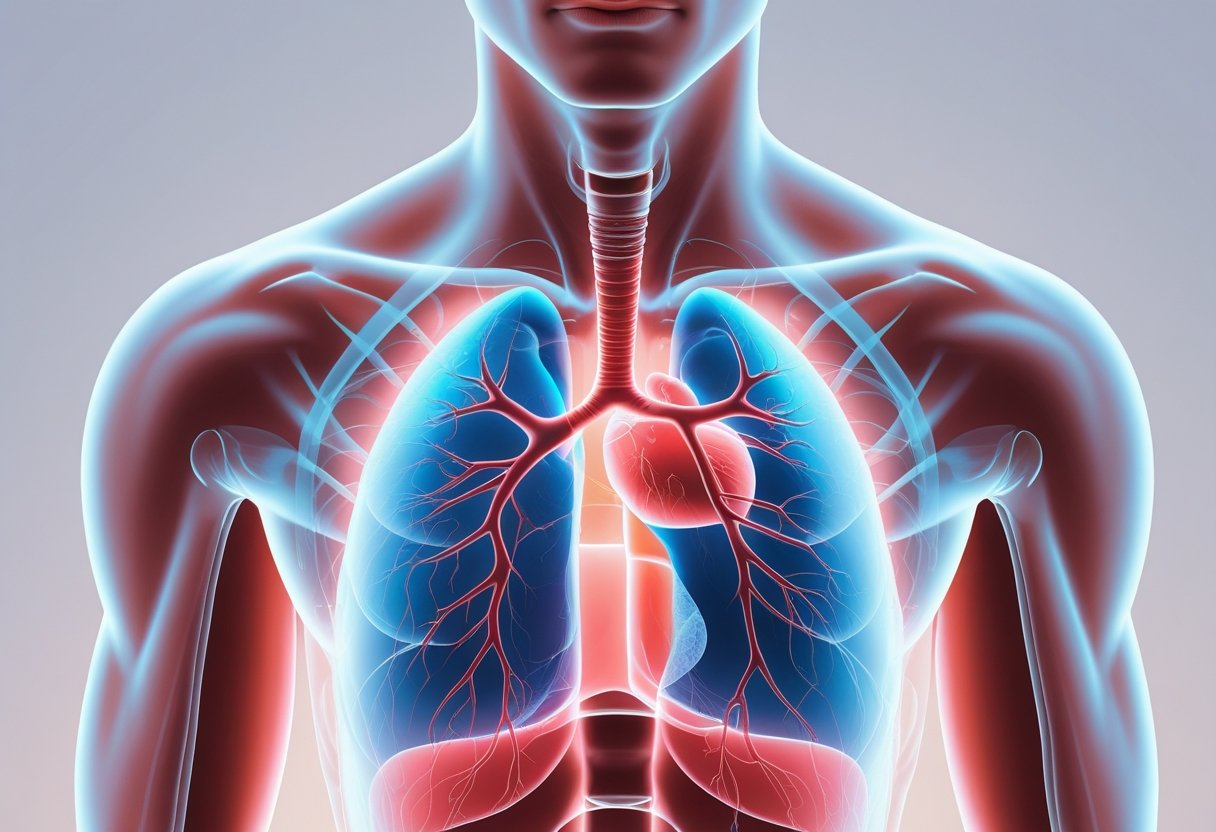
Experiencing tightness in your chest can be alarming, often triggering concerns about your heart health. Anxiety can indeed cause chest tightness, stemming from the body’s natural response to stress and emotional strain. This physical symptom is commonly associated with panic attacks, where breathing changes and muscle tension create a feeling of constriction in the chest.
Recognizing the connection between anxiety and physical sensations is crucial for managing your mental health. Many people do not realize how closely linked anxiety symptoms are to physical responses. Understanding this relationship can help you address not only the anxiety itself but its physical manifestations as well.
If you’re struggling with these sensations and seeking relief, you’re not alone. Many individuals face similar challenges, and effective strategies exist to help you manage anxiety and its symptoms. Tides Mental Health is here to support you in navigating these issues, whether through virtual or in-person sessions based in the Chicago area.
How Anxiety Causes Chest Tightness
Understanding how anxiety leads to chest tightness involves exploring the body’s physiological responses. The interplay of the nervous system, stress hormones, and breathing patterns contributes significantly to this sensation.
The Fight-or-Flight Response
When you experience anxiety, your body’s instinctive response is known as the fight-or-flight response. This ancient mechanism prepares you for perceived threats. Within seconds, your body releases adrenaline, a hormone that increases heart rate and blood flow. This surge can result in a feeling of tightness in your chest, making you feel as though your heart is racing.
This response also signals a cascade of other changes. Your body begins to divert resources away from non-essential functions, focusing energy on immediate survival. This heightened state of alertness may exacerbate feelings of panic, creating a cycle where anxiety feeds into the sensation of chest tightness, leaving you feeling uneasy.
Role of Stress Hormones in Chest Discomfort
Cortisol, another stress hormone, plays a significant role in how anxiety manifests physically. When you face stress, cortisol levels rise, impacting various body systems. Elevated cortisol can lead to increased muscle tension, particularly in the chest area.
Additionally, the prolonged release of these hormones can cause inflammation and sensitivity in the muscles, further contributing to discomfort. It’s important to note that while cortisol is essential for managing stress, excessive levels can produce uncomfortable physical symptoms, including chest tightness. Recognizing this connection can help you understand why anxiety might make your chest feel constricted.
Muscle Tension and the Nervous System
The nervous system is intricately linked to how your body responds to anxiety. When you feel anxious, your body often tenses its muscles, especially around the chest and shoulders. This tension can create the sensation of tightness and pressure in your chest.
Muscle tightness can lead to further discomfort, creating a feedback loop where anxiety triggers muscle tension and vice versa. Engaging in relaxation techniques, such as deep breathing or progressive muscle relaxation, can help alleviate this tension. These practices enhance your awareness of how your muscles respond to anxiety and may reduce the feelings of tightness in your chest.
Hyperventilation and Breathing Patterns
Hyperventilation, characterized by rapid and shallow breathing, is a common response to anxiety. This type of breathing can lead to decreased carbon dioxide levels in the blood, causing further discomfort and even dizziness.
When you hyperventilate, the lack of adequate airflow to the lungs can create a feeling of constriction in your chest. You may notice that concentrating on your breath helps regulate your breathing patterns. By focusing on slow, deep breaths, you can counteract the effects of hyperventilation. This practice not only mitigates feelings of tightness but also helps re-establish a sense of calm, effectively breaking the cycle of anxiety and physical symptoms.
Physical Sensations and Symptoms
When experiencing anxiety, the physical sensations can be quite distressing and often mimic serious health issues. It is essential to recognize these sensations to understand their connection to anxiety better.
Characteristics of Anxiety Chest Pain
Anxiety chest pain often manifests as a tightening or pressure sensation, frequently described as feeling like a “squeeze” around the chest. You might experience sharp, stabbing pains or a dull ache that can be localized or spread across the chest area. This discomfort can lead to fear of a heart attack due to its intensity and similarity to cardiac symptoms. Rapid changes in your heart rate, known as heart palpitations, frequently accompany this pain, causing further anxiety.
Associated Symptoms
In addition to chest tightness, various other symptoms may accompany anxiety-related discomfort. You may feel shortness of breath, which can make you feel as though you’re struggling to breathe deeply. Other common sensations include tingling or numbness, especially in the hands and fingers, and potential feelings of dizziness or lightheadedness. This can be combined with physical reactions such as sweating or gastrointestinal issues, including nausea or bloating. The interplay of these symptoms can create a distressing experience where anxiety exacerbates physical sensations.
Duration and Variability of Symptoms
The duration and variability of anxiety-related chest pain are unpredictable. Symptoms may last from a few seconds to several minutes, often building intensity before subsiding. It is not uncommon for these sensations to come and go, leading to increased worry about their recurrence. You might notice that the pain can flare up during stressful situations or panic attacks but may diminish with calming techniques or once the stressful trigger is removed. Being aware of these fluctuations can help you adopt coping strategies. Recognizing patterns can assist in managing symptoms effectively, whether through therapy or self-help techniques.
Anxiety Chest Tightness vs Heart Attack
Chest tightness can be alarming, especially when you’re unsure if it’s anxiety-related or a sign of a heart attack. Understanding the differences in symptoms and the warning signs associated with a cardiac event is crucial for your health and peace of mind.
Key Differences in Symptoms
When assessing whether your chest tightness is due to anxiety or a potential heart issue, several key differences emerge. Anxiety-related chest tightness tends to be sharp or brief, often linked to stressful situations. It usually improves with slow breathing techniques or relaxation practices.
In contrast, chest pain from a heart attack is often described as heavy, persistent, and lasting more than 10 minutes. This pain may radiate to the arm, jaw, or back. Accompanying symptoms like shortness of breath, sweating, and heart palpitations can further signal a cardiac issue.
It’s essential to recognize these symptoms and understand that while anxiety can cause discomfort, the intensity and duration of pain should not be overlooked. If you experience severe or persistent symptoms, seek immediate medical attention.
Warning Signs of a Cardiac Event
Certain warning signs can help you identify a potential cardiac event. These include symptoms such as:
- Chest pain that lasts longer than a few minutes
- Discomfort or pressure in the chest
- Shortness of breath that occurs with or without chest pain
- Symptoms that worsen with exertion or stress
Risk factors also play a significant role. A family history of heart disease, smoking, diabetes, and high blood pressure increases your likelihood of a heart attack.
If you notice a combination of these symptoms—especially if you have known risk factors—don’t hesitate to seek emergency assistance. While anxiety can certainly lead to similar sensations, the potential severity of a heart issue warrants immediate attention.
Common Triggers, Risk Factors, and Disorders
Understanding the various triggers, risk factors, and associated disorders that contribute to anxiety and chest tightness can help you identify potential sources of discomfort. Anxiety-related symptoms are heavily influenced by both psychological and lifestyle factors, as shown in the following subsections.
Panic Attacks and Panic Disorder
Panic attacks are sudden episodes of intense fear that trigger severe physical reactions, often resembling heart issues, including chest tightness. Individuals with panic disorder may experience recurrent panic attacks, characterized by symptoms such as palpitations, shortness of breath, and dizziness. These episodes can occur unexpectedly, causing significant distress and leading to a fear of future attacks.
If you have a family history of anxiety or panic disorders, your risk of developing similar conditions increases. The intense discomfort during a panic attack often perpetuates a cycle of anxiety, as individuals may start to avoid situations in which they fear another attack may occur.
Generalized Anxiety Disorder
Generalized Anxiety Disorder (GAD) is characterized by persistent, excessive worry about various aspects of life, including health, work, and social interactions. Individuals with GAD often experience physical symptoms like chest tightness due to prolonged muscle tension and stress-related responses.
The constant state of worry can heighten sensitivity to physical sensations, making ordinary discomfort feel more alarming. Coupled with other risk factors like smoking or chronic health issues such as diabetes, GAD can severely impact your quality of life.
Chronic Stress and Lifestyle Factors
Chronic stress is a significant contributor to chest tightness and anxiety disorders. Factors like work pressure, strained relationships, and financial worries can lead to sustained feelings of anxiety. This stress can manifest physically, leading to tightness in the chest, as your body responds with heightened adrenaline production.
Lifestyle choices, including poor diet, lack of exercise, and inadequate sleep, can exacerbate stress levels and anxiety symptoms. Engaging in regular physical activity and practicing stress-relief techniques can help mitigate these effects. Recognizing and managing stress is crucial for your mental health and can significantly reduce anxiety-related symptoms. If necessary, consider seeking support from services like Tides Mental Health to navigate these challenges effectively.
Effective Strategies to Relieve Anxiety Chest Tightness
Managing anxiety-induced chest tightness involves various strategies that focus on calming the body and mind. These methods can help ease the discomfort and improve your overall well-being. Implementing a combination of breathing techniques, relaxation exercises, and, if needed, professional treatments can offer significant relief.
Breathing Techniques
Breathing exercises are essential for alleviating chest tightness associated with anxiety. Deep breathing helps slow your heart rate and reduces stress-related symptoms. You can try box breathing, which involves inhaling for a count of four, holding for four, exhaling for four, and pausing for another four before repeating. This method calms the nervous system and can be practiced anywhere. Regular practice can diminish the intensity of your anxiety response over time.
- Find a quiet space.
- Sit comfortably and close your eyes.
- Start inhaling deeply through your nose, focusing on filling your lungs completely.
- Exhale slowly through your mouth, envisioning the tension leaving your body.
By consistently practicing these techniques, you may notice a reduction in chest tightness during stressful moments.
Relaxation and Grounding Exercises
Incorporating relaxation and grounding exercises into your routine can further ease anxiety symptoms. Techniques such as progressive muscle relaxation, where you systematically tense and then relax each muscle group, can significantly reduce tension. Grounding exercises, like focusing on your surroundings or engaging your senses, help anchor you in the present moment, distracting yourself from anxiety-related thoughts.
Strategies include:
- Guided imagery: Visualizing a serene environment.
- Mindfulness meditation: Paying attention to your breathing or bodily sensations.
- Physical activity: Simple stretches or a brief walk can release endorphins, improving your mood.
By training your body and mind to respond differently to stress, you may find relief from chest tightness and anxiety.
Professional Treatments and Medications
If anxiety chest tightness persists, seeking help from a psychiatrist or therapist may be beneficial. They can provide tailored strategies and treatment options, including cognitive-behavioral therapy (CBT) or medications like SSRIs, which help regulate neurotransmitters linked to anxiety.
In-person therapy sessions, such as those offered by Tides Mental Health, focus on personalized treatment plans to support your unique journey. Incorporating professional guidance can complement your self-help strategies, ensuring a well-rounded approach to managing anxiety and its physical manifestations. If symptoms significantly impact your quality of life, exploring these options can lead to effective management of anxiety-related chest tightness.
When to Seek Medical Attention
Recognizing the right time to seek medical help can greatly impact your health outcomes. Understanding specific symptoms and long-term management strategies can provide clarity when faced with anxiety-related chest tightness.
Symptoms Requiring Urgent Care
Certain symptoms may indicate a serious health issue rather than just anxiety. You should seek immediate medical attention if you experience:
- Severe Chest Pain: If the pain is intense and persists, this may signal a heart attack.
- Radiating Pain: Pain that spreads to the shoulders, arms, neck, or jaw can also indicate more than anxiety.
- Shortness of Breath: Difficulty breathing or a sensation of tightness in your throat may require urgent evaluation.
- Nausea or Dizziness: Feelings of nausea, lightheadedness, or fainting alongside chest discomfort could be serious.
It’s essential to remember that while anxiety can cause discomfort, these symptoms often require quick intervention to rule out heart-related issues, especially in those with risk factors like high blood pressure.
Long-Term Management and Prevention
For effective long-term management of anxiety-related chest tightness, consider integrating these practices into your routine:
- Stress Management Techniques: Engage in activities like yoga, meditation, or deep-breathing exercises to reduce anxiety levels.
- Regular Check-ups: Maintain regular visits with your healthcare provider to monitor any underlying conditions that could exacerbate symptoms.
- Counseling or Therapy: Consider therapy focused on anxiety and mental health, which can provide you with tools to manage symptoms effectively. Tides Mental Health offers specialized options tailored to your needs, including virtual sessions.
Implementing these strategies can significantly enhance your emotional resilience and decrease the frequency of anxiety-related symptoms. If anxiety continues to interfere with your daily life, seeking direct support from mental health professionals can be beneficial.
Frequently Asked Questions
Understanding the nuances of anxiety-induced chest tightness can help clarify concerns and emotions surrounding this issue. Addressing specific questions provides insights into symptoms, differentiations from other pain types, and effective relief techniques.
How can one differentiate between anxiety-induced chest pain and other types of chest pain?
To distinguish anxiety-induced chest pain from other causes, consider the nature of the pain. Anxiety-related pain often feels sharp and brief, improving with techniques like slow breathing. In contrast, cardiac pain may last longer than ten minutes and can radiate to the arm or jaw.
It’s essential to monitor other accompanying symptoms. If the pain worsens with exertion or is accompanied by heavy pressure, it may signal a heart issue, prompting immediate medical attention.
What are the common symptoms accompanying chest tightness when experiencing anxiety?
When experiencing anxiety-related chest tightness, you may notice several common symptoms. These include rapid heartbeat, muscle tension, and shortness of breath. You may also experience dizziness, sweating, or feelings of impending doom.
These symptoms can exacerbate the feeling of tightness in your chest, creating a cycle that can be challenging to break.
How long can chest pain related to anxiety typically last?
Chest pain associated with anxiety can vary in duration. Episodes may last just a few moments during a panic attack or persist for hours in cases of chronic anxiety.
In many cases, the pain diminishes as anxiety levels decrease, particularly with effective relaxation techniques or therapeutic interventions.
What techniques can be used to alleviate chest tightness associated with anxiety?
Several techniques can help relieve chest tightness caused by anxiety. Deep breathing exercises are particularly effective, promoting relaxation and reducing muscle tension. Mindfulness and grounding techniques can also assist in managing anxiety in-the-moment.
Regular physical activity, adequate sleep, and engaging in hobbies can further boost your overall well-being and lessen anxiety symptoms.
Is it possible for anxiety to cause chest pain on a daily basis?
Yes, it is possible for anxiety to induce daily chest pain, especially in individuals dealing with chronic anxiety. The ongoing tension and stress responses can lead to muscle tightness and discomfort that recurs frequently.
If you find that chest pain is a consistent challenge, consider discussing your experiences with a mental health professional. They can help develop a tailored approach to managing your symptoms.
Can anxiety-related chest tightness manifest on one side, such as the left side?
Anxiety-related chest tightness can indeed manifest on one side of the chest. This sensation can result from muscle tension or localized stress responses in the body.
It’s crucial to remain vigilant about the nature and duration of the symptoms. If the tightness is severe or persists, seeking medical evaluation ensures that other potential causes are ruled out.