

It explains how trauma and anxiety can show up as tension, pain, or automatic reactions, and how gentle body-based work can help you feel safer and more regulated.
The Tides Mental Health Blog - Category 1
Dive into a sea of knowledge and insight on mental health with our blog. Discover articles, stories, resources, and more to guide you on your journey.
What Is Dialectical Behavior Therapy: A Clear Guide to Principles, Techniques, and Benefits
DBT teaches skills to help you manage intense emotions, handle crisis moments, and build better relationships.
Signs You Need Therapy for Depression: Clear Signs, When to Seek Help, and What to Expect
These signs often show up as deep sadness, losing interest in things you used to enjoy, and harsh self-criticism.

How to Find Trauma Therapists Near Me: Practical Steps to Locate Qualified Local Support
Trauma therapy helps you manage symptoms like flashbacks, panic, numbness, and relationship strain.
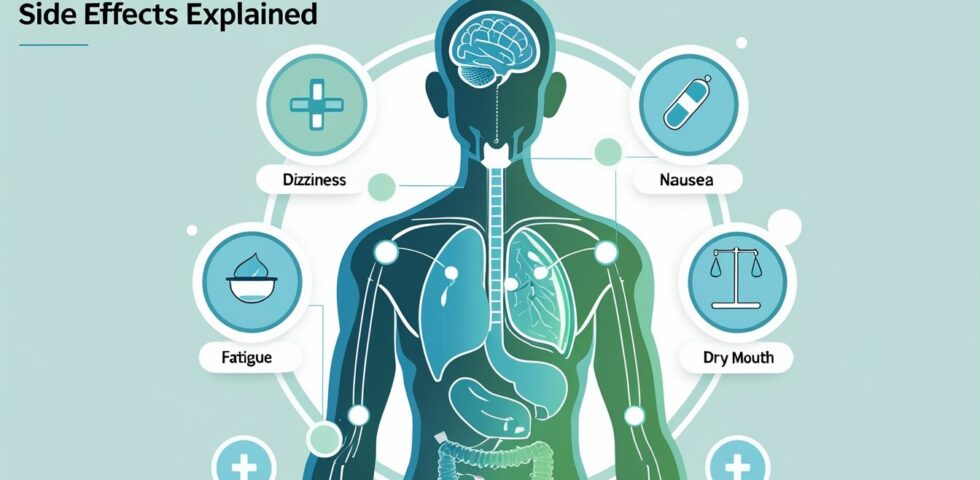
Anxiety Medication Side Effects: What to Expect
You’ll learn which drug classes treat short-term panic and which manage long-term worry, how they change brain chemistry, and which patients often respond best.
What Type of Therapy Works Best for Eating Disorders: Evidence-Based Treatments and Practical Guidance
Eating disorders involve persistent problems with eating behaviors and thoughts about food, weight, or body shape.

Eating Disorder Recovery Through Family Therapy: A Practical Guide to Support, Communication, and Lasting Healing
Eating disorders affect how you eat, think about food, and feel about your body. They can change your mood, energy, and daily routines.
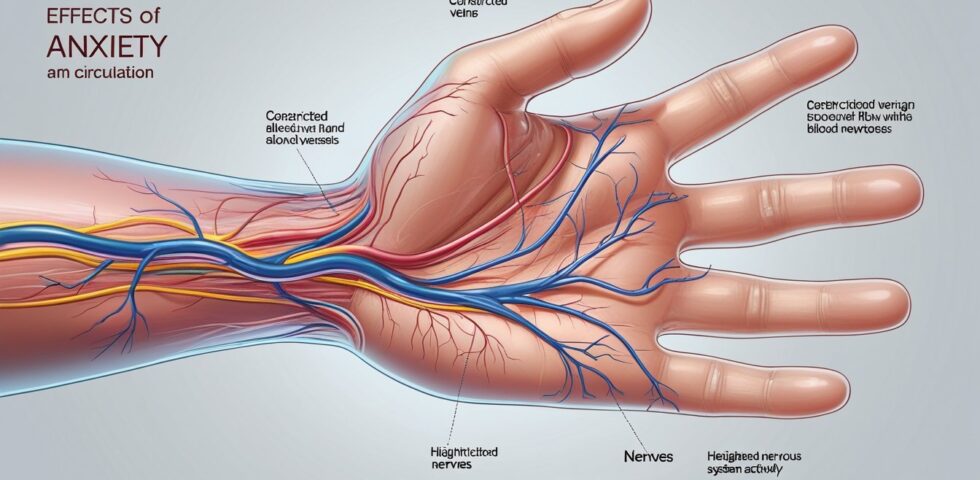
How Anxiety Affects Circulation in the Hands and Arms
You may notice cold or numb hands, tightness in your forearms, and a faster heartbeat when anxiety affects circulation.
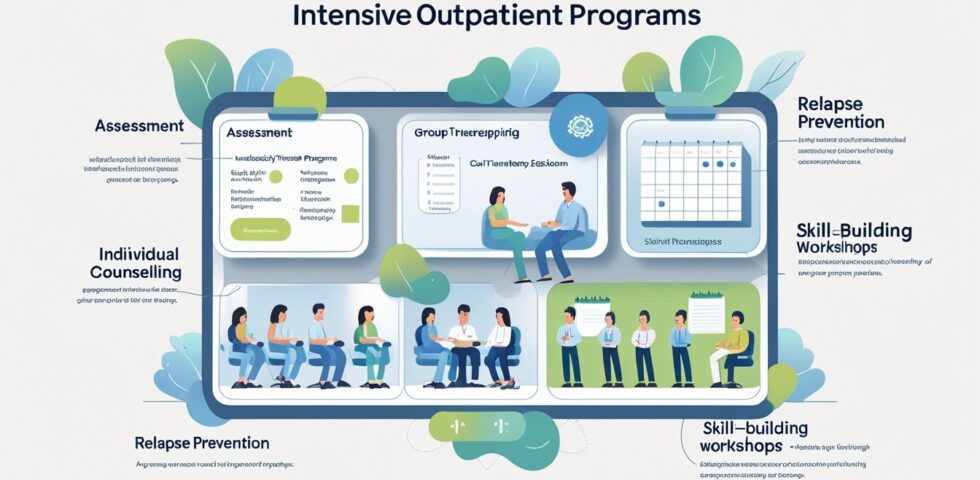
Structure of Intensive Outpatient Programs: A Clear Guide to Components, Scheduling, and Care Coordination
They combine regular therapy sessions, personalized treatment plans, and flexible scheduling so you can keep work, family, or school commitments.
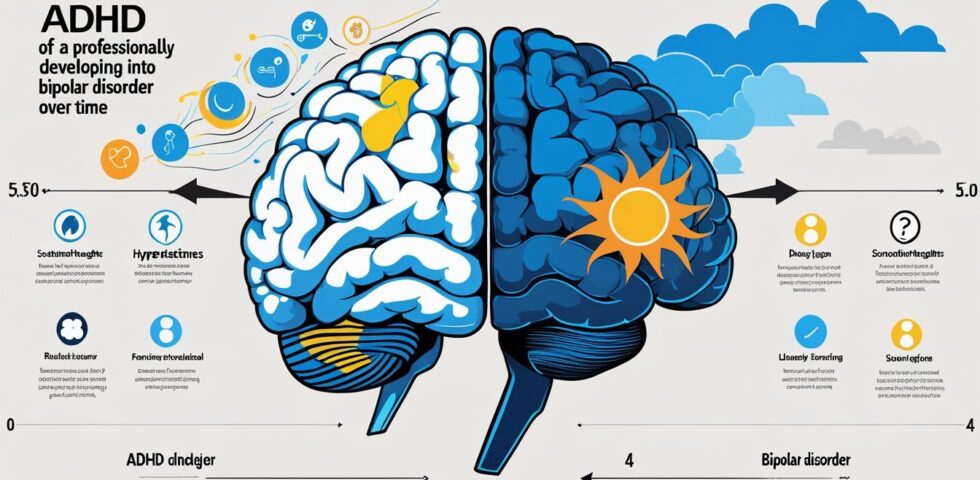
Can ADHD Turn Into Bipolar Disorder Over Time: Understanding Risks, Differences, and When to Seek Help
ADHD (attention-deficit/hyperactivity disorder) shows as long-term patterns of inattention, hyperactivity, or impulsivity that start in childhood and often continue into adulthood.