
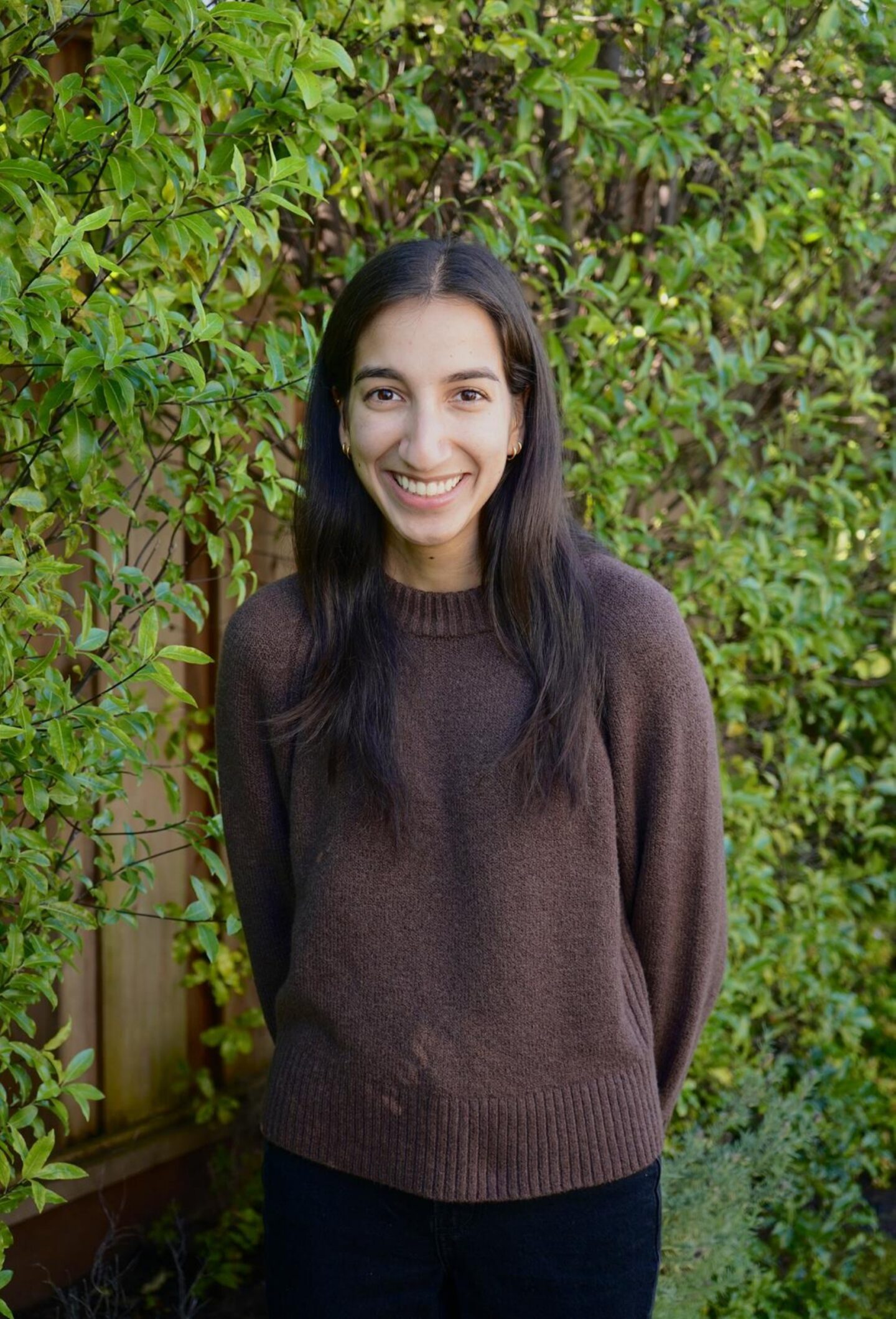
Haeli Juthani
MSW
Pronouns: She/Her
Make Sense of Your Grief, Your Family, and Who You're Becoming
Culturally grounded therapy for teens and young adults holding loss, family expectations, and questions about identity all at once.
LET'S START HERE
There are things you don't say at the dinner table. Maybe it's how much you're still grieving someone your family has stopped mentioning, or the guilt that surfaces when the life you want doesn't match the one you were raised toward. You've gotten practiced at translating yourself — for your parents, for your friends, for whichever version of you has to show up that day. Underneath all that translating, there may be a quieter question: which parts of this life are actually yours? Wanting to honor where you come from and wanting room to decide who you're becoming can feel less like a choice and more like a tug-of-war.
What would you say to someone who’s nervous or unsure about starting therapy?
Some of the heaviest things people carry are the ones their family stopped talking about. I'm Haeli Juthani, a social work intern at Tides Mental Health. I work with teens and young adults holding grief, family expectations, and questions about identity all at the same time. You don't need to have the right words for any of it yet. If you want a space where the whole story is welcome, that's where we'd begin.
What would you say to someone who’s nervous or unsure about starting therapy?
Some of the heaviest things people carry are the ones their family stopped talking about. I'm Haeli Juthani, a social work intern at Tides Mental Health. I work with teens and young adults holding grief, family expectations, and questions about identity all at the same time. You don't need to have the right words for any of it yet. If you want a space where the whole story is welcome, that's where we'd begin.
What It’s Like to Work Together
Sessions are a conversation, not an interview. You're the expert on your own life, and my job is to stay curious about it — asking about what sits underneath the thing you're describing, and never assuming I already know what your culture, your family, or your loss means to you. Together we'll look at the patterns in your thoughts, feelings, and relationships, and where those patterns started — including the older family wounds that still shape how you show up. We'll also build practical tools you can actually use on a Tuesday afternoon, when the anxiety shows up in the middle of class or the workday. Some weeks you'll want to go deep. Other weeks you'll want to talk through something small and concrete, and that counts too. You can tell me directly when you want our sessions to look different, and we'll adjust — and when it's useful, I'll offer an honest reflection that stretches a story you've told yourself for a long time.
What does a session feel like?
Honestly? Like talking with someone who's genuinely interested in the parts of your life other people skim past. Some days we go deep — family history, grief, the things that are hard to name. Other days we stay practical: what happened this week, what got hard, what might help. You can always tell me you'd rather not go somewhere today, and I'll take you at your word. Nothing here has to be performed.
Why I’m passionate about this work
I've spent years alongside kids and families in the middle of loss — in support groups, at summer camps, on the phone with parents. What stayed with me is how often grieving people feel like they're supposed to be finished by now. I'm also a daughter of immigrants, so I know something about holding more than one culture at once. I'll never claim to know exactly what your life is like — but I know what it means to sit with someone who isn't guessing at you.
Clinical Specialties
- Grief and familial loss – including the long, unfinished kind that doesn't follow anyone's timeline
- Anxiety — that shows up as overthinking, over-functioning, or bracing for what's next
- Depression and the flatness — that settles in after a long stretch of holding everything together
- Cultural guilt and second-generation identity — belonging to more than one world at the same time
- Family relationships — expectations, and the roles you were handed early
- Trauma — and old relational wounds
- Life transition — leaving home, starting school, first jobs, redefining what you want
- Isolation and feeling — unknown by the people closest to you
Treatment Modalities
- Collaborative, client-centered therapy — you name what matters, and we shape the work around your goals rather than a preset agenda.
- Culturally responsive care — your family, culture, and history get treated as context worth understanding, not a footnote you have to explain twice.
- Trauma-informed practice — we move carefully around the hard material, and you decide when and how much of it we open.
- Grief-focused work — room for loss that's still active, including the version your family may have stopped talking about.
- Family-systems informed therapy — we look at the roles, rules, and expectations you grew up inside, and which of them you actually want to keep.
- Skills-based coping and reframing — practical tools for the moment anxiety hits, plus a look at the inner dialogue running underneath it.
Populations Served
- Adolescents and teens
- Young adults in their 20s and 30s
- Second-generation children of immigrants
- BIPOC clients
- Teens and adults grieving a parent, sibling, or close family member
- Students and young professionals moving through major transitions
- People new to therapy who aren't sure what to expect
Training & Credentials
- Education:Master of Arts in Social Work, Policy, and Administration (in progress), University of Chicago Crown Family School of Social Work, Policy, and Practice — expected 2027 - B.S. in Psychology and Business, Indiana University
- Licensure: Graduate-Level Therapy Intern | MSW Candidate, practicing under clinical supervision at Tides Mental Health
- Certification: Graduate Program in Health Administration and Policy, University of Chicago
- Clinical Training & Experience: Clinical training in family-systems and trauma-informed work with youth and families affected by parental illness and loss, with multiple years of direct experience supporting children and families impacted by a parent's cancer.
- Languages Spoken: Sessions conducted in English
- Availability: In-person sessions at Tides Mental Health in Chicago and telehealth for clients across Illinois — Mondays, Wednesdays, and Fridays
If you're usually the one everyone else leans on, it can feel strange to be the one doing the talking. It's worth trying anyway — especially if the grief, the family expectations, or the question of who you actually want to be have been sitting with you for a while. I'd be glad to hear what's on your mind, without assuming I already know the shape of it. Schedule a free 15-minute consultation and we'll start there.
Insurance We Accept
We accept most major insurance providers and offer several convenient payment methods to ensure accessibility for your care. We also offer various payment methods, including credit cards, bank transfers, and electronic payments.


